India’s Most Searched Summer Travel Destinations for 2026: Kashmir Tulips, Spiti Valley, Sikkim Blooms and More

As temperatures soar across the Indian plains, millions of travellers are turning to Google to plan their summer escapes — and the data reveals a fascinating picture of where India wants to go in 2026. Based on Google Trends data and real-time booking patterns, six destinations are dominating search queries for the April-to-September window: Spiti Valley (freshly opened for the season), Kashmir (tulip season at its glorious peak), Sikkim (rhododendron blooms painting valleys pink and red), Coorg (lush coffee estate experiences), Andaman Islands (a closing pre-monsoon diving window), and Goa (with early monsoon discounts already appearing). For anyone exploring mountain travel destinations in India, the summer of 2026 offers once-in-a-season windows that demand careful timing.
What makes this year’s travel calendar exceptional is the convergence of seasonal openings, newly accessible routes, and a strong nationwide shift toward experiential and slow travel. Search interest in “solo travel” has hit an all-time high globally, while “slow travel” — staying longer in fewer places — has reached unprecedented search volumes in India, according to Google’s own travel trends report. These macro shifts are shaping which destinations trend and why.
Kashmir: Asia’s Largest Tulip Garden in Full Bloom
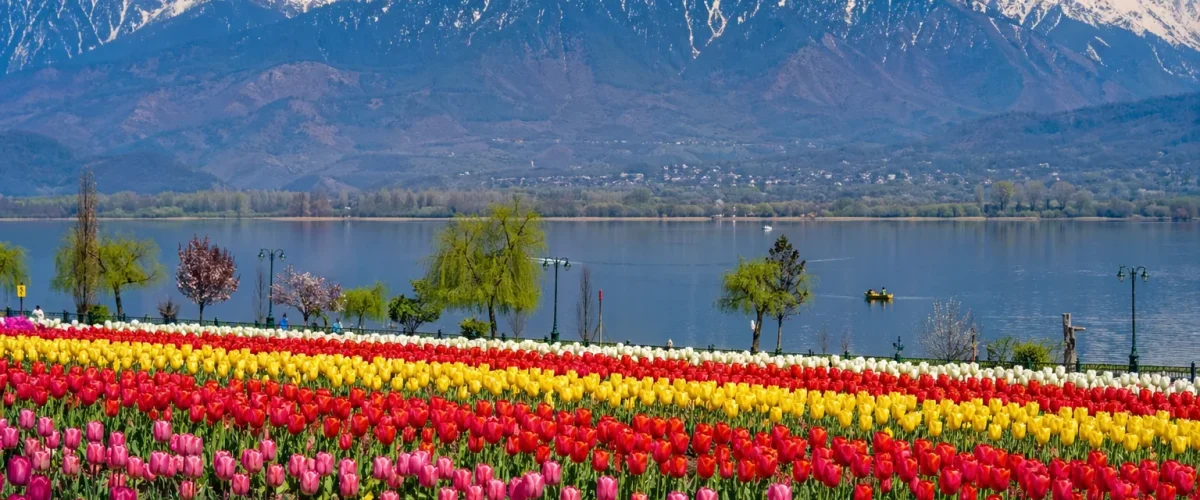
Kashmir dominates April travel searches for one unmissable reason — the Indira Gandhi Memorial Tulip Garden in Srinagar, widely recognised as Asia’s largest tulip garden. The Kashmir Tulip Festival 2026 opened on March 16, earlier than usual due to warmer spring temperatures, with a staggering 1.8 million tulip bulbs across more than 70 varieties carpeting the terraced slopes overlooking Dal Lake. Peak bloom arrived between April 1 and April 8, when the garden exploded into a kaleidoscope of reds, yellows, pinks, and purples against snow-capped Zabarwan hills.
Entry fees remain affordable at ₹75 for adults and ₹30 for children, with the garden open from 9 AM to 7 PM daily. Travellers who missed the absolute peak still have a window through mid-April, when late-blooming varieties keep the garden vibrant. Beyond the tulips, Gulmarg and Pahalgam have been fully booked on weekends, with May offering a sweet spot before the summer rush intensifies. Budget travellers can manage a four-day Kashmir tulip trip for ₹12,000–15,500 per person, making it one of the most affordable bucket-list experiences in the country. Those interested in North India travel guides will find Kashmir an ideal starting point for a broader Himalayan itinerary this season.
Spiti Valley: First Weeks of the Season Mean Lowest Crowds
Spiti Valley has surged in travel searches as the 2026 season officially begins. The Shimla-Kinnaur route into Spiti is now open and drivable, while the dramatic Manali-Kaza route via Kunzum Pass (at over 15,000 feet) remains closed under heavy snow and is expected to reopen only by late May or early June. BRO snow clearance operations began in March, but the high passes need weeks more to clear. For travellers taking the Shimla route now, this means something remarkable — the first four to six weeks of the season see the lowest tourist crowds of the entire year, making April and early May ideal for photographers and adventure seekers.
The valley sits at an average altitude of 12,500 feet in Himachal Pradesh, and April temperatures range from -5°C to 10°C. Roads within Spiti to villages like Kaza, Key, Kibber, Tabo, and Dhankar are accessible via the Shimla route, though conditions can be challenging with ice patches and loose gravel, especially in early April. The road to Losar from Kaza has opened, along with the Langza-Hikkim-Komic circuit. However, Chandratal Lake remains completely off the table until June. For first-time visitors seeking the full Spiti circuit with both routes open, June to September remains the recommended window — but for those craving dramatic snow-capped landscapes without summer crowds, right now is the moment.
Sikkim: Rhododendron Season Paints the Himalayas
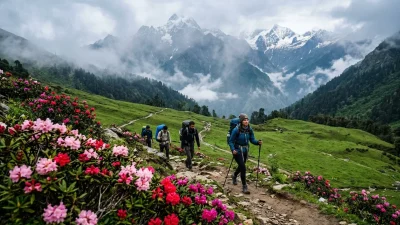
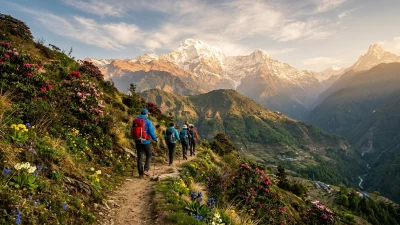
North Sikkim’s Yumthang Valley — aptly called the “Valley of Flowers of the East” — is at its most spectacular in April 2026, as rhododendron blooms transform mountainsides into cascading waves of red, pink, white, and purple. The Shingba Rhododendron Sanctuary, which spans approximately 43 square kilometres and sits at elevations between 3,000 and 4,500 metres, houses over 24 species of rhododendron, the state flower of Sikkim. The peak viewing window runs from approximately April 10 to April 25, when most species reach full bloom across multiple altitudes simultaneously.
The Barsey Rhododendron Sanctuary in West Sikkim offers another magnificent viewing experience, with forest trails weaving through dense rhododendron canopies. Spring conditions during bloom season are ideal for photography, with daytime temperatures of 8°C to 18°C, clear morning skies, and dramatic mountain fog rolling in after noon. Travellers should note that areas in North Sikkim, including Yumthang Valley, require a Protected Area Permit (PAP), which must be arranged through registered tour operators. Search volumes for “Sikkim rhododendron 2026” and “Yumthang Valley flowers” have surged sharply, reflecting the short seasonal window driving urgency among bookings. The Char Dham Yatra 2026 portals now open for the season, adding to the overall surge in Himalayan pilgrimage and nature travel this spring.
Leh-Ladakh: The Roads Are Opening
Ladakh enters the 2026 travel season with the Srinagar-Leh Highway already driveable as of early April after Zoji La was cleared by BRO. The full Manali-Leh Highway, however, remains closed as of late April 2026 — it was officially shut on November 20, 2025, and is expected to reopen for tourists between late May and early June. Based on BRO clearance patterns from recent years, Rohtang Pass typically opens around mid-May, with higher passes like Baralacha La and Tanglang La cleared within a week after. The entire Manali-Leh route becomes tourist-ready between May 15 and May 25 in most years.
For travellers eager to reach Ladakh in April, the Srinagar route is the only option. The safe travel window for the Manali highway runs from late May to mid-October, and experienced travel bloggers strongly advise against booking non-refundable arrangements before June 1 for the Manali side. As the Everest 2026 climbing season updates are also making headlines, adventurers across the Himalayan belt are planning their moves for the narrow summer window.
Coorg: Coffee Estates in Bloom and Pre-Monsoon Lushness
Coorg — Karnataka’s beloved hill station, also known as the “Coffee Capital of India” — is trending strongly for April and May visits. The pre-monsoon period brings lush green landscapes, blooming coffee estates, and comfortable temperatures between 14°C and 26°C. April is one of the best times to visit before heavy monsoon rains arrive in June. Coffee blossoms appear in March, and by April the estates are at their most fragrant and photogenic. Guided tours at estates like Mercara Gold and Tata Coffee allow visitors to understand the journey from bean to cup, with hands-on picking and tasting sessions.
Travellers this season are increasingly drawn to slow experiences — farm stays, plantation walks, Kodava cuisine immersions, and morning treks to Mandalpatti Peak or Tadiandamol, Coorg’s highest point. Weekend villa bookings are reportedly filling up fast. With Kerala shattering tourism records in 2025, the entire Western Ghats belt is experiencing a surge in domestic tourism that shows no signs of slowing.
Andaman Islands and Goa: The Final Windows
The Andaman Islands are in their last comfortable pre-monsoon window. The seas remain calm, diving and snorkelling visibility is excellent, and the islands are less crowded than during the December-January peak. However, this window closes by late May as the southwest monsoon approaches. Flights are filling quickly, and travellers who haven’t booked yet are running short on time for the best conditions.
Goa, meanwhile, is entering an increasingly popular phase — early monsoon season, from June to July. What was once considered off-season is now attracting savvy travellers drawn to dramatic coastlines, monsoon greenery, and significantly lower villa and hotel rates. Off-peak pricing is already visible on booking platforms, with some properties offering 30–40 percent discounts compared to peak-season rates. The combination of moody weather, fewer crowds, and budget-friendly stays is reshaping how Indians think about Goa travel. For those looking at personal finance and investment tips, the monsoon discount window represents genuine value.
Planning Your Summer 2026 Trip: Key Takeaways
The overarching theme across India’s trending 2026 summer destinations is timing. Kashmir tulips peak in early April. Sikkim rhododendrons demand an April visit. Spiti rewards early-season travellers with solitude. Ladakh’s Manali highway opens only in late May. Andaman’s pre-monsoon window shuts in weeks. And Goa’s monsoon discounts begin in June. For each destination, the window is narrow and specific — making early research and flexible booking strategies essential. Domestic searches also show Ooty, Darjeeling, Munnar, and Manali continuing their perennial appeal as “coolcation” destinations, while spiritual centres like Rishikesh and Varanasi have climbed sharply in rankings this year. India’s summer travel story in 2026 is one of intentional, well-timed escapes — and the search data proves travellers are doing their homework like never before.