India’s Highway Revolution: How the New Expressway Network Is Transforming Road Trip Culture in 2026

India’s road infrastructure is experiencing a revolution. The unprecedented expansion of the national expressway network, driven by the Bharatmala Pariyojana programme and complementary state-level initiatives, is fundamentally transforming the culture of road travel in the country. In 2026, with several landmark expressways either newly operational or nearing completion, a new generation of Indian motorists is discovering the joy of the long-distance road trip — an experience that was, until recently, more associated with American and European travel culture than with Indian holiday planning.
The New Expressways: A Network Takes Shape
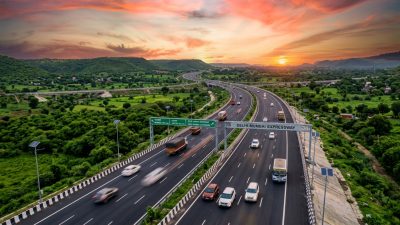
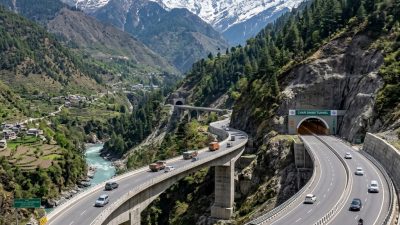
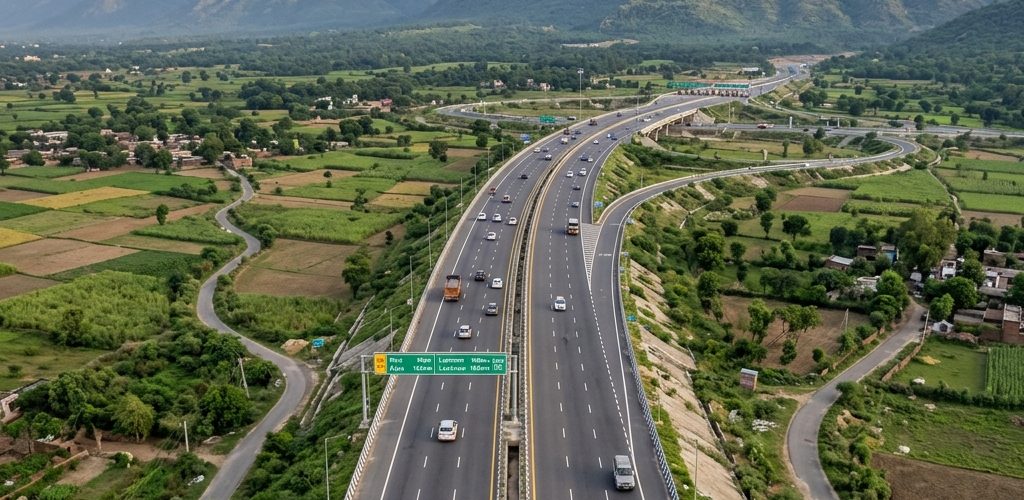
The numbers tell a compelling story. India’s operational expressway network has expanded from approximately 3,800 kilometres in 2023 to an estimated 6,500 kilometres in early 2026, with an additional 5,000 kilometres under active construction. The most transformative additions include the Delhi-Mumbai Expressway (1,386 kilometres, India’s longest), which has reduced driving time between the two cities from approximately 24 hours to under 12; the Bengaluru-Chennai Expressway (262 kilometres), which has cut transit time to under two hours; and the Amritsar-Jamnagar Expressway, which creates a high-speed corridor across northern India linking Punjab, Rajasthan, and Gujarat.
These expressways are built to international standards, featuring six to eight lanes, dedicated service roads, rest areas every 50 kilometres, emergency response infrastructure, electronic toll collection via FASTag, and speed limits of 120 kilometres per hour — a dramatic improvement over the two-lane national highways that previously constituted India’s primary inter-city road network.
The Road Trip Culture Emerges
The improved infrastructure has catalysed a cultural shift. Industry data from car rental platforms, fuel station networks, and highway rest area operators reveals a 55 per cent year-on-year increase in long-distance road journeys (defined as trips exceeding 500 kilometres) in the twelve months ending February 2026. The growth is particularly pronounced among young urban families, couples, and friend groups in the 28-45 age bracket who own SUVs or premium hatchbacks and view road trips as an alternative to air travel that offers flexibility, scenic variety, and the satisfaction of a self-directed journey.
Social media has amplified the trend. Road trip content — featuring scenic expressway drives, roadside dhaba discoveries, and overnight camping at highway-adjacent destinations — has become one of the fastest-growing travel content categories on Indian Instagram and YouTube. Influencers and travel bloggers have helped popularise specific routes, such as the Mumbai-Goa coastal road, the Delhi-Jaipur-Udaipur heritage loop, and the Bengaluru-Coorg-Mysuru hill station circuit, as aspirational weekend or long-weekend drives.
Highway Infrastructure: Rest Areas, EV Charging, and Safety
The expressway experience extends beyond the road itself. The National Highways Authority of India has mandated that all new expressways include world-class wayside amenities — rest areas equipped with clean restrooms, food courts featuring both branded chains and local cuisine stalls, fuel stations with 24-hour convenience stores, children’s play areas, and prayer rooms. Several expressways have introduced themed rest areas: the Delhi-Mumbai Expressway features a Rajasthani heritage-themed stop near Jaipur and a Gujarat craft village near Vadodara, transforming routine fuel and food breaks into mini cultural experiences.
Electric vehicle infrastructure is also expanding rapidly. The Ministry of Heavy Industries’ FAME III scheme has funded the installation of DC fast-charging stations at 100-kilometre intervals on all major expressways, enabling long-distance travel for the growing number of Indian EV owners. Tata Passenger Electric Mobility, MG Motor India, and Hyundai have partnered with highway operators to establish branded charging lounges where EV drivers can charge their vehicles while enjoying refreshments in comfortable waiting areas.
Safety improvements are equally significant. Expressways feature advanced surveillance systems, incident detection through AI-powered CCTV, patrol vehicles stationed at regular intervals, and emergency call boxes connected to centralised control rooms. The integration of technology in highway management reflects India’s broader push for AI-driven infrastructure solutions being advanced at national summits.
Popular Road Trip Routes in 2026
Several routes have emerged as particular favourites among Indian road trippers in 2026. The Delhi-Jaipur stretch of the Delhi-Mumbai Expressway, covering approximately 250 kilometres in under three hours, has become India’s most popular day-trip drive, with weekends seeing heavy traffic as Delhi residents head to Rajasthan for heritage exploration, dining, and shopping. Those extending the drive to Udaipur or Jodhpur can experience Rajasthan’s expanded heritage tourism offerings at their own pace.
The Mumbai-Pune Expressway, one of India’s oldest, has been complemented by the new Samruddhi Mahamarg connecting Mumbai to Nagpur across Maharashtra, opening up central India’s relatively unexplored interior — including the Ajanta-Ellora caves and Tadoba Tiger Reserve — to weekend road trippers from both cities. In the south, the Bengaluru-Mysuru Expressway has made the cultural city of Mysuru an easy 90-minute drive from India’s tech capital, transforming it into Bengaluru’s default weekend escape.
The Economics of Road Trips vs. Air Travel
The road trip boom is supported by favourable economics. For a family of four, a road trip on a modern expressway is often more cost-effective than air travel when accounting for luggage, airport transfers, and the flexibility costs of airline schedules. A Delhi-Jaipur road trip in an average sedan costs approximately Rs 2,500 in fuel and Rs 500 in tolls — compared to Rs 12,000-20,000 for four return flight tickets. The savings multiply on longer journeys, particularly when families combine driving with stays at highway-adjacent destinations, creating multi-stop itineraries that airlines cannot replicate.
Car rental services have capitalised on the trend. Zoomcar, Revv, and Myles report that long-distance one-way rentals — where a traveller picks up a car in one city and drops it in another — have grown by 70 per cent in the past year. Premium SUV rentals, particularly Toyota Fortuners and Hyundai Cretas, are the most popular vehicle categories for expressway road trips, reflecting the Indian traveller’s preference for space, comfort, and elevated seating on long drives.
Challenges and the Road Ahead
Despite the transformation, challenges remain. Last-mile connectivity from expressway exits to tourism destinations is often poor, with single-lane roads and inadequate signage creating frustrating bottlenecks after hours of smooth expressway driving. Highway safety, while improved, continues to be a concern, with fatigue-related accidents on long-distance drives requiring greater awareness and rest-break discipline from motorists.
The government’s response includes plans for an Integrated Highway Tourism Circuit that will coordinate expressway infrastructure with state-level tourism roads, ensuring seamless connectivity from highway to destination. The programme, expected to launch later in 2026, will also include a unified digital platform for toll payments, rest area bookings, EV charging reservations, and real-time traffic and weather updates — a one-stop app for the Indian road tripper. For travellers who prefer to combine road and rail experiences, IRCTC’s Bharat Gaurav heritage train routes provide an excellent complement to self-drive explorations.
The Open Road Beckons
India’s highway revolution is more than an infrastructure story — it is a cultural awakening. For a nation where the journey was traditionally something to be endured between origin and destination, the expressway network is transforming travel itself into the experience. The open road, with its promise of discovery, autonomy, and the simple pleasure of watching the landscape unfold through the windscreen, is claiming its place in the Indian travel imagination. In 2026, the highways are ready. The question is: are you? As India’s sporting calendar fills with excitement and its cultural landscape thrives, there has never been a better time to hit the road and discover the country at your own pace.

- Himalayan Adventure Tourism Booms in Spring 2026 But Overtourism and Climate Risks Sound Alarm - March 27, 2026
- India Adds New UNESCO World Heritage Nominations as Cultural Preservation Gets a Digital Makeover in 2026 - March 27, 2026
- South India Travel 2026: Hampi, Alleppey and Coorg Top Domestic Search Charts This Spring - March 26, 2026