Regional Indian Cuisine Goes Mainstream: How Forgotten Flavours Are Conquering Urban Menus in 2026

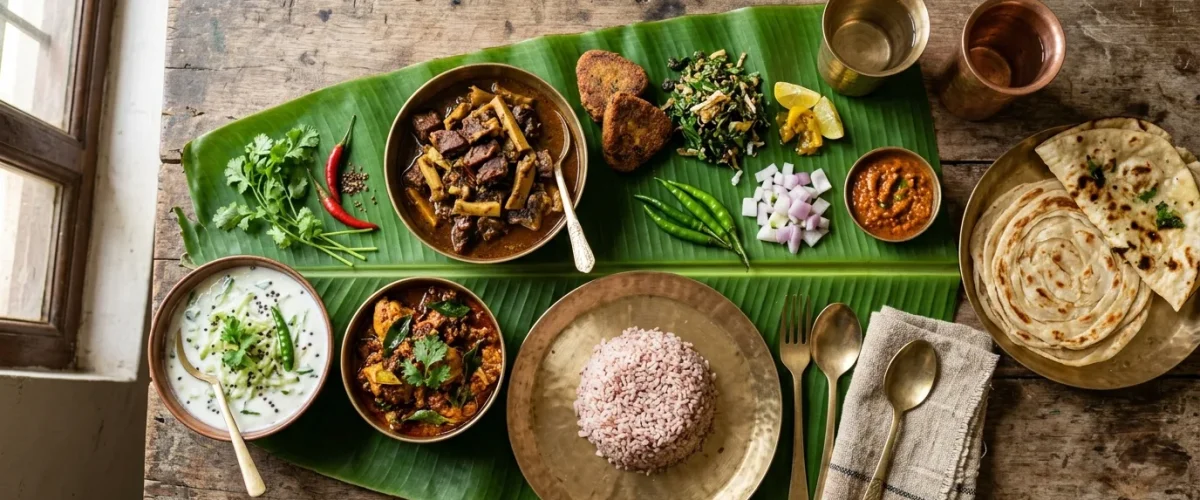
Regional Indian cuisine is experiencing a quiet revolution in 2026. Dishes from Nagaland, Chettinad, Kumaon, Konkan and other historically underrepresented culinary traditions are appearing on restaurant menus, food delivery platforms and social media feeds with a frequency that would have seemed impossible five years ago. The trend reflects a broader cultural shift: Indian diners, particularly younger consumers in metropolitan cities, are moving beyond the familiar comfort of butter chicken and biryani to seek out forgotten flavours that tell stories of geography, history and community.
Regional Indian Cuisine 2026: The Trend Reshaping Urban Menus
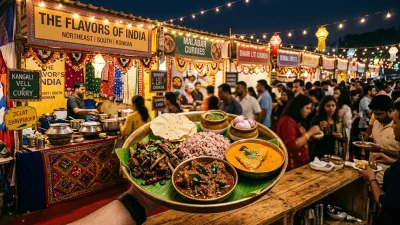
The evidence of this shift is visible across India’s dining landscape. In Delhi, restaurants specialising in Naga cuisine — featuring smoked meats, fermented bamboo shoots, raja mirchi chillies and axone (fermented soybean) — have multiplied from a handful of neighbourhood eateries to over 30 dedicated establishments, several of which hold reservations weeks in advance. Mumbai has seen a similar surge in Konkan coastal cuisine, with restaurants serving traditional sol kadhi, kombdi vade and Malvani fish curry prepared with locally sourced kokum and fresh coconut.
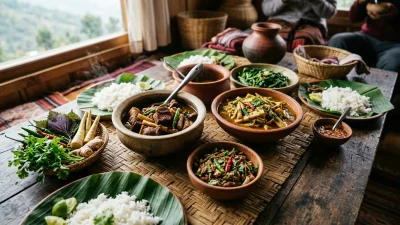
Bengaluru’s dining scene has embraced Chettinad cuisine from Tamil Nadu, with its bold use of freshly ground spice blends, distinctive karakuzhambu preparations and pepper-forward flavour profiles that distinguish it from the Tamil Brahmin cuisine more commonly available in restaurants. Hyderabad, long defined by its biryani culture, now hosts restaurants dedicated to Andhra home cooking and Telangana village cuisine that bear little resemblance to the generic “South Indian” category found on most delivery apps.
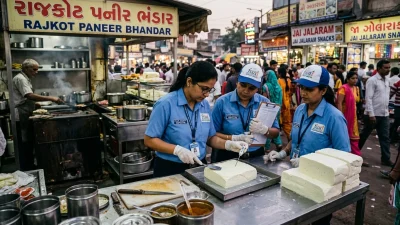
This culinary diversification extends beyond restaurants. Food delivery platforms have reported a 65 per cent increase in orders tagged as “regional” or “traditional” cuisine since 2024. Street food vendors going digital has been part of this same movement, making authentic local flavours accessible to audiences who might never visit the regions where these dishes originate.
The Chefs Driving the Regional Food Renaissance
The regional cuisine movement is being led by a generation of chefs who view India’s culinary diversity as an untapped creative resource. Unlike previous generations of Indian fine-dining chefs who trained in French or Italian traditions, today’s leading chefs are spending time in villages, learning from home cooks and documenting recipes that exist only in oral tradition.
Chef Atul Kochhar’s latest venture in Mumbai focuses exclusively on recipes from India’s tribal communities — Bhil, Gond, Santhal and Munda cooking traditions that use indigenous ingredients largely unknown outside their regions. The restaurant sources directly from tribal farming cooperatives, creating an economic link between urban dining and rural livelihoods. Chef Prateek Sadhu, whose Masque in Mumbai has long championed Himalayan ingredients, has expanded his sourcing network to include fermented foods from Sikkim, wild herbs from Uttarakhand and heritage rice varieties from the Western Ghats.
Home cooks and food writers have been equally influential. Platforms like YouTube and Instagram have enabled women from regional communities to share family recipes with audiences of millions. Channels dedicated to Kumaoni cooking, Kashmiri wazwan preparation and Kodava (Coorg) cuisine have amassed followings that rival professional food media, demonstrating that authenticity and personal storytelling resonate more strongly than polished production values.
Indigenous Ingredients: The Backbone of Regional Flavours
Regional cuisines derive their distinctive character from indigenous ingredients that are often unavailable or unknown in mainstream markets. The growing demand for these ingredients has created new supply chains and economic opportunities for farming communities. Bhut jolokia (ghost pepper) from Nagaland, lakadong turmeric from Meghalaya, Gondhoraj lime from Bengal, and black rice from Manipur are among the ingredients that have moved from obscurity to premium status in urban markets.
The rise of speciality ingredient platforms, both online and in urban organic stores, has made it possible for home cooks to experiment with regional recipes. Companies like Zishta, which specialises in traditional Indian cookware and ingredients, and Conscious Food, which sources heirloom grains and spices, have built businesses around the growing demand for authentic regional products.
This ingredient-led approach to regional cuisine connects to broader wellness diet trends dominating 2026, as many regional cooking traditions emphasise seasonal eating, fermentation and the use of medicinal herbs that align with contemporary health consciousness. Millets, which were central to regional diets across central and southern India before the Green Revolution promoted rice and wheat, have experienced a remarkable revival — supported by 2023’s International Year of Millets and continued government promotion.
Food Tourism: Eating Your Way Through India’s Regions
The interest in regional cuisine is also driving food tourism. Dedicated culinary trails — in Kerala’s Malabar coast, Rajasthan’s Marwar region, Meghalaya’s Khasi Hills and Karnataka’s Kodagu district — are attracting domestic tourists who plan itineraries around meals rather than monuments. Tour operators report that food-focused tours have grown 80 per cent since 2024, with the average food tourist spending 40 per cent more than a standard cultural tourist.
State tourism boards have recognised the opportunity. Nagaland’s Hornbill Festival, Rajasthan’s Marwar Festival and Kerala’s Onam celebrations have expanded their culinary programming, offering cooking workshops, food walks and ingredient-sourcing experiences that give visitors direct engagement with regional food cultures. The plant-based diets gaining momentum across India also intersect with regional cuisine tourism, as many traditional regional diets are inherently plant-forward.
Challenges: Authenticity, Scalability and Cultural Sensitivity
The commercialisation of regional cuisines carries risks. Authenticity is difficult to maintain as dishes travel from their regions of origin to urban restaurant kitchens and food delivery platforms. The temptation to modify flavours for mainstream palates — reducing spice levels, substituting accessible ingredients, simplifying complex preparations — can dilute the very qualities that make regional cuisines distinctive.
Cultural sensitivity is equally important. Regional cuisines are expressions of community identity, and their commercialisation by outsiders can feel exploitative if not handled respectfully. The most successful regional cuisine restaurants and brands are those that maintain genuine connections with source communities through fair sourcing practices, accurate cultural representation and profit-sharing arrangements.
The Future of Regional Indian Cuisine
Regional Indian cuisine in 2026 stands at a fascinating inflection point. The combination of chef-driven innovation, digital content creation, ingredient accessibility and food tourism is creating unprecedented visibility for culinary traditions that were at risk of being forgotten. Whether this momentum translates into lasting cultural change — or fades as a passing food trend — depends on the industry’s commitment to authenticity, fair economic practices and genuine respect for the communities whose kitchens produced these extraordinary flavours in the first place.

- Fentanyl Vaccine Breakthrough: Scripps Research Develops Shot That Blocks Deadly Overdoses Before They Reach the Brain - June 13, 2026
- Nipah Virus Returns to Kerala — First Case of 2026 Confirmed, State Declares High Alert - June 12, 2026
- Jill Biden Reveals She Wanted to Keep PM Modi’s 7.5-Carat Diamond Gift but Returned It After State Department Valued It at $20,000 - June 8, 2026