India Restaurant and Food Delivery Market Scales New Heights as Zomato and Swiggy Battle for Dominance


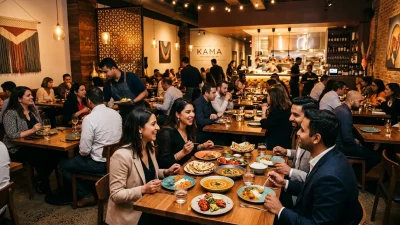
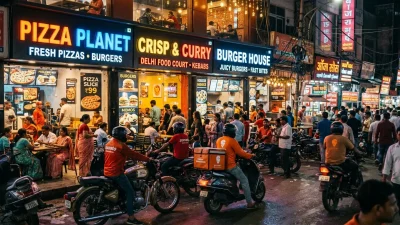
India’s restaurant and food delivery industry continues to expand at a rapid pace in 2026, driven by the duopoly of Zomato and Swiggy, the explosive growth of quick commerce, and a wave of new restaurant openings across metropolitan and tier-2 cities. The food services market, estimated at over Rs 5.5 lakh crore, is emerging as one of the most dynamic segments of the Indian consumer economy.
Zomato and Swiggy: The Quick Commerce Pivot
Zomato’s quick commerce arm Blinkit has transformed the company’s financial profile, contributing 73 per cent of total revenue at Rs 9,891 crore in Q2 FY26. The platform now offers over 6,000 stock-keeping units across groceries, medicines, and electronics, commanding an estimated 46 per cent of India’s quick commerce sector. Blinkit’s year-on-year revenue growth of 756 per cent marks one of the most dramatic business pivots in Indian startup history.
Swiggy, which listed on the stock exchange in late 2025, has responded with its own quick commerce platform Instamart. While trailing Blinkit in market share, Swiggy maintains a stronger position in the core restaurant delivery segment, particularly in southern and western India. The company reported food delivery revenue growth of 35 per cent in FY25, with profitability in sight for the first time.
QSR Chains Drive Expansion
Quick service restaurant chains are scaling aggressively across India. Captain Sam’s Pizza announced plans for 100 new stores in FY 2026-27, citing cost control through standardised operations. The expansion reflects a broader trend of QSR brands targeting smaller cities where organised dining options remain limited.
Premium dining concepts are also evolving. Mumbai’s bar scene saw the launch of Call Me Sofia, which introduced edible cocktails in an aperitivo-style format that combines food and beverage into a single offering. The innovation reflects changing consumer preferences, particularly among younger urban diners who seek experiential dining over traditional meals.
Market Drivers and Consumer Trends
Several factors are fuelling the industry’s growth. Rising urban incomes, a growing middle class, and the normalisation of food delivery during the pandemic have permanently expanded the addressable market. Urbanisation continues to drive demand, with India adding an estimated 10 million urban residents annually.
Consumer behaviour is also shifting in ways that benefit the sector. The growing preference for convenience and variety has made food delivery platforms a daily utility rather than an occasional luxury. This trend parallels other lifestyle shifts visible in the food and consumer market, including rising demand for health-conscious options, regional cuisines, and premium ingredients.
Challenges and Outlook
The sector faces headwinds from rising oil prices and a weak rupee, which are pushing up input costs for cooking oils, imported ingredients, and delivery fuel. Labour costs are also increasing as gig worker regulations evolve.
Despite these pressures, industry analysts project the Indian food services market to grow at 12 to 15 per cent annually through 2028. The convergence of technology, logistics, and consumer demand creates a runway for sustained expansion. As premium housing development accelerates and new residential clusters emerge, the demand for quality dining and delivery services in these areas will follow. India’s Gen Z consumers are also reshaping the market with their emphasis on sustainability, local sourcing, and novel culinary experiences.

- Fentanyl Vaccine Breakthrough: Scripps Research Develops Shot That Blocks Deadly Overdoses Before They Reach the Brain - June 13, 2026
- Nipah Virus Returns to Kerala — First Case of 2026 Confirmed, State Declares High Alert - June 12, 2026
- Jill Biden Reveals She Wanted to Keep PM Modi’s 7.5-Carat Diamond Gift but Returned It After State Department Valued It at $20,000 - June 8, 2026