Deepinder Goyal’s Temple Raises $54 Million at $190 Million Valuation: Inside India’s Healthtech Surge in 2026

Weeks after stepping down as CEO of food delivery giant Zomato (now Eternal), Indian entrepreneur Deepinder Goyal has made a bold return to the startup world. His new health technology venture, Temple, has raised $54 million in its first funding round from friends and family investors, achieving a post-money valuation of approximately $190 million. The raise signals a major new chapter for one of India’s most recognised founders and highlights the growing momentum in the country’s healthtech sector.
Goyal announced the fundraise on X (formerly Twitter), stating: “Temple has raised its first round. Friends and family. $54M. Post-money valuation of ~$190M.” He added that more than 30 Temple employees participated in the round at par valuation — no discount — underscoring strong internal conviction in the venture.
What Is Temple Building?
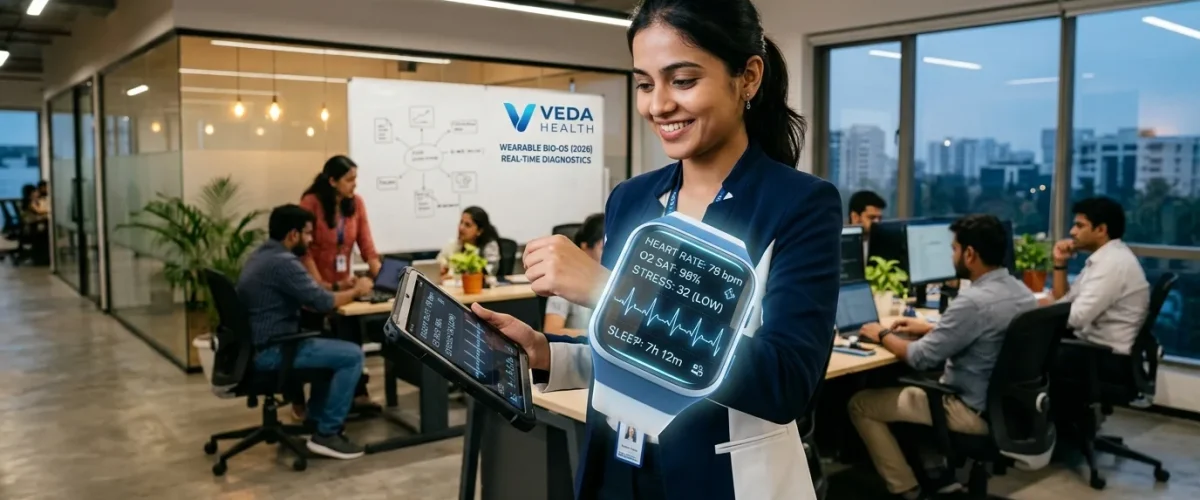
Temple is developing what Goyal describes as “the ultimate wearable for elite performance athletes.” While specific product details remain under wraps, reports and Goyal’s own public statements suggest the startup is focused on brain monitoring and biometric wearable technology aimed at optimising peak athletic performance. This positions Temple at the intersection of health technology, consumer electronics, and sports science — a niche that has seen explosive growth globally with companies like Whoop, Oura, and Apple Watch.
What sets Temple apart is its focus on the high-performance end of the market. Rather than competing with mass-market fitness trackers, the startup is targeting professional and semi-professional athletes who demand precision biometric data — heart rate variability, sleep quality, neurological performance markers, and recovery metrics.
The shift from running a $15 billion food delivery empire to building a health technology wearable might seem surprising, but Goyal has described it as part of a deliberate move toward “higher-risk exploration and experimentation” — the kind of venture that a seasoned founder with deep networks and capital access is uniquely positioned to attempt.
Who Are the Investors?
The $54 million round reads like a who’s who of India’s startup elite. Steadview Capital is a key backer, alongside Peak XV Partners (formerly Sequoia India), InfoEdge Ventures, and Dharana Capital. The angel investor list is equally impressive — Vijay Shekhar Sharma (Paytm), Kunal Shah (CRED), and Nithin Kamath and Nikhil Kamath (Zerodha) all participated, as did current and former Eternal executives including Akshant Goyal, Aditya Mangla, and Akriti Chopra.
The round follows the classic “founder-friends” model that has become increasingly common among India’s serial entrepreneurs. The involvement of such prominent names not only provides capital but also signals industry confidence. India’s startup ecosystem has seen this pattern before — when top founders back each other’s ventures, it often accelerates both talent recruitment and market credibility.
India’s Healthtech Sector in 2026: The Bigger Picture
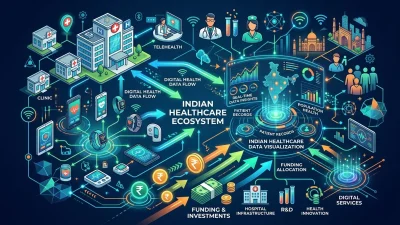
Temple’s raise comes amid a broader boom in India’s healthtech sector. According to an EY-Parthenon report, India’s healthcare sector recorded over ₹10,000 crore in deal value in Q2 FY26 alone, driven by hospital chain expansions, diagnostics consolidation, and digital health platform investments.
The healthtech segment has attracted significant venture capital, with investments flowing into telemedicine (Practo, MediBuddy), mental health platforms (Amaha), AI diagnostics, and pharmaceutical supply chain startups. Government initiatives like the Ayushman Bharat Digital Mission (ABDM) have also provided regulatory tailwinds, with over 300 million health IDs created and growing interoperability between hospitals, pharmacies, and insurance providers.
The convergence of AI and healthcare is proving particularly transformative. Just as India’s AI regulation framework shapes how technology companies operate, healthtech startups are leveraging machine learning for drug discovery, medical imaging analysis, and personalised treatment recommendations. India’s startup IPO pipeline now includes several healthtech companies planning public listings in 2026-2027.
How Temple Fits into the Global Wearable Market
The global wearable technology market is projected to exceed $100 billion by 2027, with health-focused wearables being the fastest-growing segment. Apple Watch, Garmin, Fitbit, Oura Ring, and Whoop have established the category, but there remains a gap in the premium, athlete-specific segment that Temple aims to fill.
India, despite being one of the world’s largest smartphone markets, has relatively low wearable penetration compared to the US, Europe, and China. However, the market is growing rapidly, driven by health awareness post-pandemic and the aspirational consumer base in Tier 1 and Tier 2 cities. Indian brands like Noise and Fire-Boltt have captured the budget segment, but no Indian company has yet made a mark in the premium performance wearable space — a gap Temple could exploit.
For the fintech and digital payments ecosystem that has powered India’s consumer tech revolution, healthtech represents the next frontier. As digital payments became ubiquitous through UPI, health monitoring could become the next daily-use technology that reaches scale in India.
What Comes Next for Temple and Goyal
While Temple is still in its early stages, the speed and size of the fundraise — $54 million in a friends-and-family round — is unusual for a company that has yet to launch a product. It reflects both the deep trust Goyal has earned through Zomato’s journey and the market’s appetite for health technology innovation. With a team that includes engineers who are themselves elite athletes (Goyal’s controversial recruitment ad specified body fat percentage requirements), Temple is clearly building for a niche but passionate market.
India’s broader startup ecosystem — from D2C brands to edtech platforms — continues to mature, with founders increasingly pursuing “second acts” in adjacent or entirely new sectors. Goyal’s move from food delivery to health wearables is the highest-profile example yet, and it could pave the way for more serial entrepreneurship in India’s rapidly evolving tech landscape.