UPI Marks 10 Years With Record Rs 29.53 Lakh Crore March 2026 as RBI Enforces Two-Factor Authentication

UPI Marks 10 Years With Record Rs 29.53 Lakh Crore in March 2026 as RBI Enforces Mandatory Two-Factor Authentication for All Digital Payments
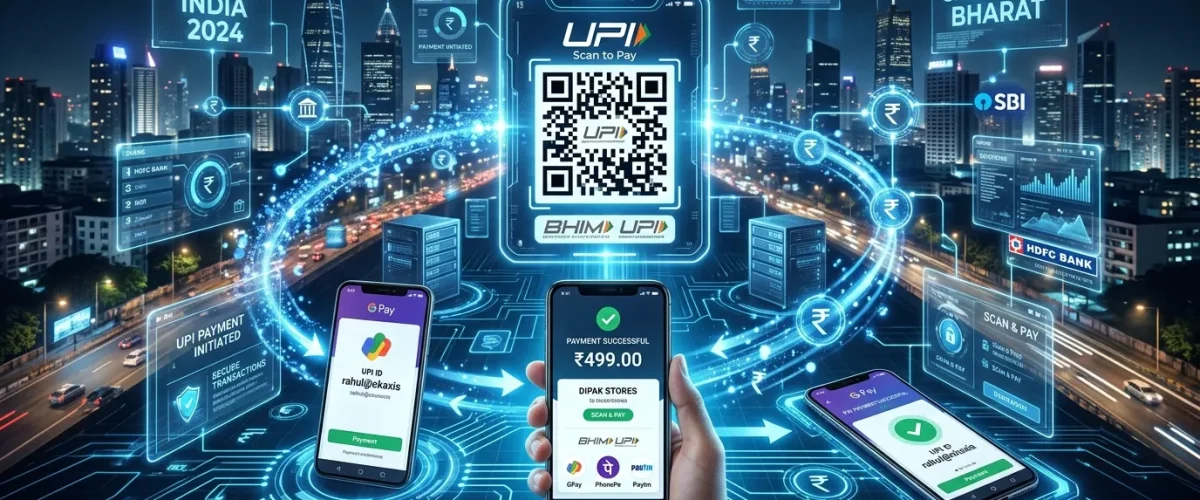
India celebrated the tenth anniversary of the Unified Payments Interface in April 2026 with a fitting milestone: UPI processed a record Rs 29.53 lakh crore worth of transactions in March 2026, representing a 19 per cent year-on-year increase. The achievement came alongside sweeping new security rules from the Reserve Bank of India that mandate two-factor authentication for all digital payments, marking a new chapter in the evolution of India’s financial technology ecosystem.
What began as a nascent platform in 2016 has transformed India from queues to QR codes, emerging as the backbone of the country’s digital financial ecosystem and commanding an astonishing 49 per cent share of all global real-time payment transactions.
Record-Breaking March 2026 Numbers
According to data from the National Payments Corporation of India, UPI processed 22.64 billion transactions in March 2026, a 24 per cent growth compared to February’s 20.39 billion. The surge aligned with the busiest period of the fiscal calendar, bolstered by festival spending during Holi and Eid and end-of-year financial activity.
The numbers tell a story of extraordinary scale. In January 2026 alone, UPI processed 21.70 billion transactions, accounting for 81 per cent of all retail digital transactions in India. The ecosystem now includes 691 banks, up from 216 in 2021, enabling users to transact seamlessly regardless of their bank or platform. UPI has also expanded internationally, with its launch in France marking a significant milestone in the platform’s European presence.
PayNearby’s Anand Kumar Bajaj highlighted UPI’s growing global reach, noting that the platform’s contribution to nearly half of global real-time digital payments positions India as the undisputed leader in digital financial infrastructure.
Mandatory Two-Factor Authentication Changes the Game
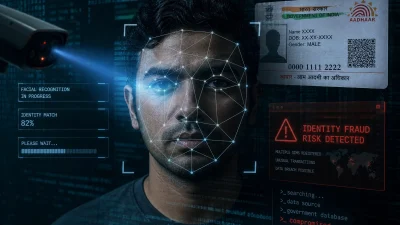
From 1 April 2026, the RBI’s new framework requiring two-factor authentication for all digital transactions came into effect. Under the revised rules, one-time passwords alone no longer suffice. Every transaction through UPI, cards or mobile wallets must now be verified using at least two independent factors, such as a PIN and biometric authentication, a password and a secure token, or an OTP combined with an additional verification step.
The move responds to the growing vulnerability of OTP-based systems to fraud techniques including phishing and SIM swap scams. Data from the National Cyber Crime Reporting Portal shows that digital fraud incidents jumped more than ten-fold between 2021 and 2025, while total losses surged nearly 40 times to over Rs 230 billion.
Banks must now use a risk-based approach, keeping low-risk transactions from trusted devices relatively seamless while adding additional verification steps for high-risk payments. The new rules also place greater accountability on financial institutions, requiring faster resolution of fraud-related complaints and potentially mandating compensation when fraud occurs due to system failures.
RBI Proposes Delay for High-Value UPI Transactions
Looking further ahead, the RBI has proposed introducing a mandatory one-hour delay for UPI transactions exceeding Rs 10,000. During this window, users would be alerted about any suspicious activity and given the opportunity to review or cancel the payment. The delay would not apply to merchant payments, where existing safeguards are already in place, and low-value payments would remain instant.
The proposal also includes special protections for vulnerable users. Individuals above 70 years may need approval from a trusted person for transactions exceeding Rs 50,000, while a kill switch feature would allow users to instantly disable all digital payments if fraud is suspected. The RBI invited public feedback on these proposals until 8 May 2026.
The Duopoly Challenge and NPCI’s Balancing Act
Despite its remarkable success, UPI faces structural challenges. The ecosystem remains highly concentrated, with two major foreign-owned fintech players, PhonePe and Google Pay, commanding over 80 per cent of the market share. NPCI’s proposed 30 per cent market cap rule has faced repeated implementation hurdles, raising concerns about monopolistic practices and the risks of concentrated dependence on a small number of platforms.
The Zero MDR dilemma also persists. The government mandates zero merchant discount rates on UPI transactions to encourage adoption, but payment service providers and banks argue this leaves them with no sustainable revenue model to upgrade and maintain the massive server infrastructure required. High failure rates during peak hours have been attributed in part to underinvestment driven by this policy.
Innovations Driving the Next Decade
As UPI enters its second decade, innovations continue to broaden its reach. UPI 123Pay enables transactions on feature phones without internet connectivity, while UPI Lite supports low-value offline transactions, pushing the technology deep into rural India. The integration of RuPay Credit Cards on UPI has blurred the lines between payments and credit, and the platform is increasingly being used as a tool for India’s digital diplomacy on the world stage.
The introduction of new operational limits, including 50 balance checks per app per day, a maximum of 25 bank account linkages per day, and processing of recurring payments during non-peak hours, demonstrates NPCI’s focus on maintaining system stability and efficiency as transaction volumes continue to scale.
UPI’s first ten years transformed India’s relationship with money. Its next decade, shaped by enhanced security, international expansion and continued innovation, promises to cement the platform’s position as the world’s most successful real-time payment system.

- India’s Startup Funding Crosses $7.2 Billion in H1 2026 - July 1, 2026
- After Ireland Shock, India’s T20I Side Faces Bigger Test - July 1, 2026
- Ireland Stun World Champions India 2-0 in Belfast, Sooryavanshi Debate Rages On - June 29, 2026