US and Nigeria Kill ISIS Global Number Two Abu-Bilal al-Minuki in Joint Military Operation as Trump Declares Terror Group Will No Longer Terrorise the World

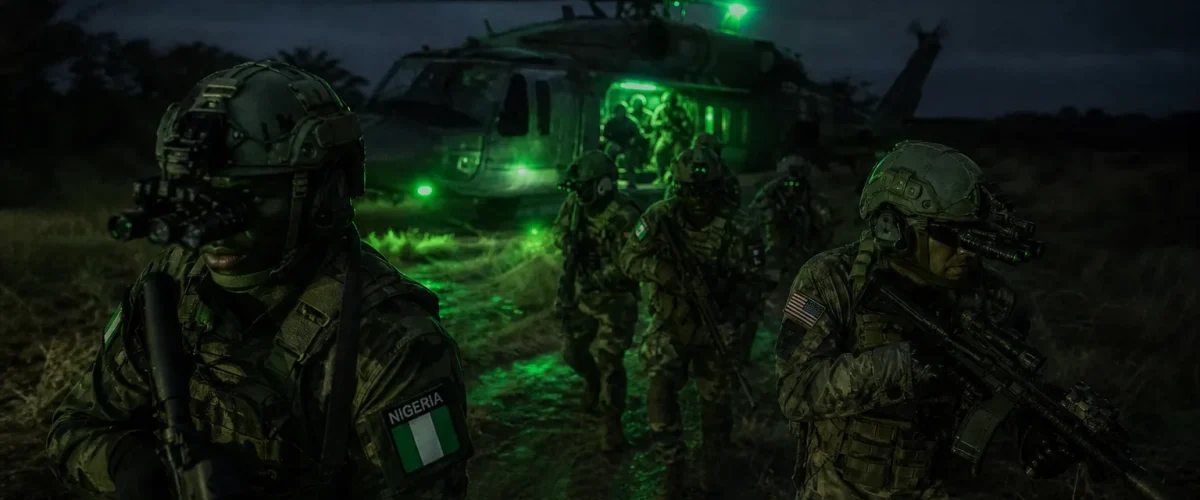
US President Donald Trump announced on Friday, 16 May 2026, that Abu-Bilal al-Minuki — described by American intelligence as the global number two of the Islamic State (ISIS/ISIL) — was killed during a joint military operation carried out by US special operations forces and the Nigerian military. The operation, which Trump called “meticulously planned and brilliantly executed,” was conducted in a remote area of northeastern Nigeria near the Lake Chad Basin, a region that has served as a stronghold for ISIS’s West Africa Province (ISWAP) for several years.
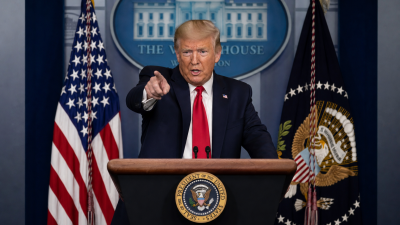
“The Islamic State will no longer terrorise the world as it once did,” Trump declared in a televised address from the White House. “Abu-Bilal al-Minuki was the brains behind their global operations — coordinating attacks, financing terror cells, and inspiring violence from Africa to Southeast Asia. He is now gone, and the world is safer for it.” Trump credited both the “incredible professionalism of American forces” and “the courage of our Nigerian partners” in executing the mission.
Who Was Abu-Bilal al-Minuki?
Al-Minuki, believed to be a Libyan national in his mid-40s, had risen through the ranks of ISIS after the fall of the group’s self-declared caliphate in Syria and Iraq in 2019. Intelligence agencies described him as the operational second-in-command to the current ISIS caliph, Abu Hafs al-Hashimi al-Qurayshi, who is believed to be in hiding in a conflict zone in Central Africa.
Unlike the more publicly visible ISIS leaders of the caliphate era, al-Minuki operated in the shadows, leveraging encrypted communication networks and a decentralised cell structure to coordinate ISIS activities across West Africa, the Sahel, Mozambique and Southeast Asia. He was believed to be responsible for directing several major attacks in 2025 and 2026, including a suicide bombing at a church in Borno State, Nigeria, that killed 43 people, and a series of coordinated attacks on military checkpoints in Mozambique’s Cabo Delgado province.
Al-Minuki was also believed to oversee ISIS’s financial operations in Africa, including taxation of gold mining operations in the Sahel, smuggling networks across the Sahara, and the collection of “protection money” from villages under ISWAP control. Intelligence estimates suggested that under his leadership, ISIS’s West Africa operations were generating $20-30 million per year in revenue.
The Operation: What We Know
Details of the operation remain classified, but Pentagon spokesperson Brigadier General Patrick Ryder confirmed that the mission was carried out by US Joint Special Operations Command (JSOC) personnel working alongside Nigeria’s elite 72 Mobile Strike Force battalion. The operation was launched from a forward operating base and utilised both aerial surveillance and ground insertion teams.
According to Ryder, al-Minuki was killed during the operation along with “several other senior ISWAP figures.” No US or Nigerian forces were killed, though Ryder acknowledged that “a small number” sustained minor injuries. The operation also yielded significant intelligence material, including electronic devices and documents that are now being analysed by the US intelligence community.
Nigerian President Bola Tinubu issued a statement praising the joint operation as “a testament to the deepening security partnership between Nigeria and the United States.” Tinubu noted that the Lake Chad Basin region had been under sustained military pressure from Nigerian forces as part of Operation Hadin Kai, and that the killing of al-Minuki represented “a decisive blow against the terrorists who have plagued our northeastern region for over a decade.”
Impact on Global Terror Landscape
The killing of al-Minuki is the highest-profile elimination of an ISIS leader since the death of the group’s previous caliph, Abu Ibrahim al-Hashimi al-Qurayshi, in a US raid in Syria in 2022. Counter-terrorism analysts say the operation is significant not just for removing a key operational figure but for demonstrating the expanding reach of US counter-terrorism operations in Africa.
“This is a major strategic success,” said Bruce Hoffman, a counter-terrorism expert at Georgetown University. “Al-Minuki was not just a symbolic figure — he was the operational engine of ISIS’s global network. His removal will degrade the group’s ability to coordinate cross-continental operations, at least in the medium term.”
However, analysts also cautioned against complacency. ISIS has demonstrated a remarkable ability to regenerate leadership, and the decentralised nature of its current operations means that local affiliates in West Africa, Mozambique and Southeast Asia may continue to operate even without central coordination. Trump’s recent diplomatic engagements with China have also raised questions about the strategic priorities of the US, with some critics arguing that the administration’s focus on great-power competition has diverted attention from the ongoing terrorist threat.
India’s Stake in the ISIS Fight
For India, the elimination of al-Minuki is a positive development in the broader counter-terrorism landscape. India has been concerned about ISIS’s expansion in South and Southeast Asia, particularly in Bangladesh, Sri Lanka and the Maldives, where the group has been actively recruiting and radicalising individuals through online networks.
India’s National Investigation Agency (NIA) has disrupted several ISIS-linked cells in India in recent years, and Indian intelligence agencies have been sharing information with US and African counterparts on suspected terror financing networks that operate through informal hawala channels linking the Middle East, Africa and South Asia. The recent BRICS foreign ministers’ meeting in New Delhi included discussions on counter-terrorism cooperation, with India pushing for stronger multilateral frameworks to combat terror financing.
The operation also highlights the evolving nature of US-Africa military relations. The US has been expanding its special operations presence in West Africa over the past decade, with bases in Niger, Chad, Cameroon and now deeper cooperation with Nigeria. This military footprint, while controversial in some African countries, has been critical in degrading ISIS and other jihadi groups in the region.
Trump’s announcement was carefully timed, coming just days after his return from the Beijing summit with President Xi Jinping. By showcasing a counter-terrorism success, the administration appears to be signalling that it can simultaneously manage great-power diplomacy and the global war on terror. The political implications of this messaging will become clearer in the weeks ahead as the US mid-term election cycle intensifies.

- Indian Army Gets New Chief as General Dwivedi Hands Over Command Amid Push for Indigenous Defence Tech - July 1, 2026
- Ayodhya Ram Temple Donation Scandal Deepens as Trustees Resign and SIT Arrests Eight - June 29, 2026
- Bengal Seven Weeks On: Modi’s Historic Win and the Questions That Won’t Go Away - June 28, 2026