West Asia Crisis Threatens India’s Energy Security as Oil Prices Surge Past 109 Dollars

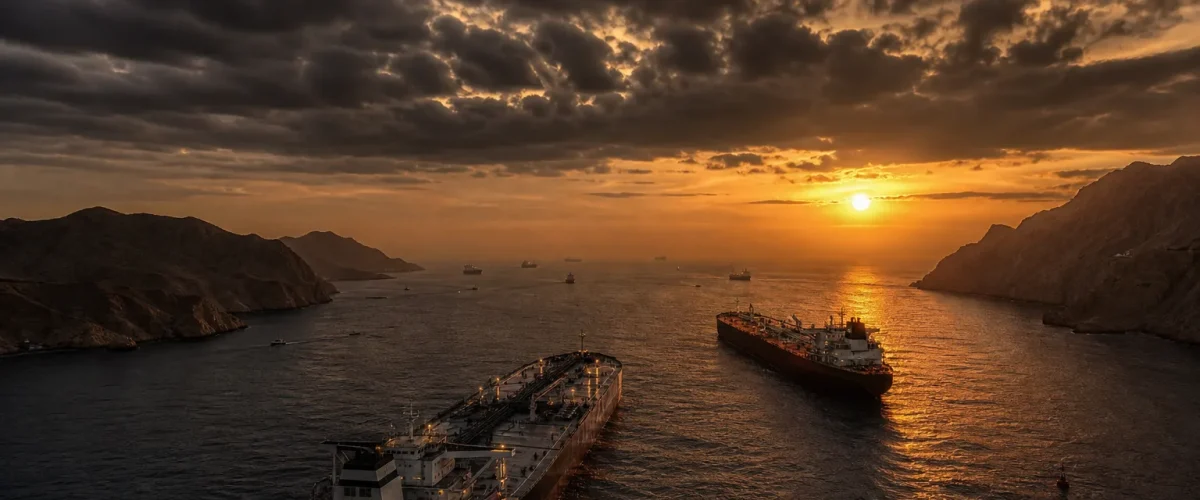
Strait of Hormuz Tensions Push Global Oil Markets to Crisis Levels
The escalating conflict in West Asia involving the United States, Israel, and Iran has sent global oil markets into crisis mode, with Brent crude surging past USD 109 per barrel in May 2026. The tensions centred around the Strait of Hormuz, through which approximately 20 per cent of the world’s oil supply passes daily, have raised fears of a supply disruption that could have devastating consequences for energy-dependent economies worldwide, with India among the most vulnerable.
For India, which imports approximately 88 per cent of its crude oil requirements and depends on Middle Eastern suppliers for more than half of those imports, the crisis represents a direct threat to economic stability. The combination of soaring oil prices, a weakening rupee, and the possibility of physical supply disruptions has created what economists are calling the most serious energy security challenge India has faced in over a decade.
Understanding the Geopolitical Crisis
The current crisis has its roots in the long-standing confrontation between Israel and Iran, which has escalated significantly in 2026. Military exchanges between the two countries have intensified, and US involvement in the region has added another layer of complexity. The Strait of Hormuz, a narrow waterway between Iran and Oman that connects the Persian Gulf to the open ocean, has become the focal point of tensions.
Iran has historically threatened to close or restrict passage through the strait during periods of heightened conflict, a move that would immediately disrupt oil shipments from Saudi Arabia, Iraq, Kuwait, the UAE, and Qatar. While Iran has not officially blockaded the waterway, increased military activity in the region has caused shipping insurance premiums to spike and some tanker operators to reroute shipments, adding costs and delays to an already stressed supply chain.
The United States maintains a significant naval presence in the region, including carrier strike groups in the Arabian Sea. However, the presence of US forces has not fully reassured oil markets, which continue to price in a significant risk premium reflecting the possibility that the situation could escalate further.
India’s Oil Dependency: A Critical Vulnerability
India’s dependence on imported oil is one of the country’s most significant economic vulnerabilities. Of the approximately 5 million barrels per day of crude oil that India imports, more than 2.5 million barrels transit the Strait of Hormuz. This makes India the largest single consumer of oil shipped through the waterway, ahead of even China and Japan.
The country’s strategic petroleum reserves, spread across three facilities at Mangalore, Padur, and Visakhapatnam, provide a buffer but not a solution. According to energy analytics firm Kpler, India’s combined commercial and strategic crude oil stocks total approximately 100 million barrels, enough to cover roughly 40 to 45 days of imports in a full disruption scenario.
However, analysts caution that these reserves are designed for temporary supply shocks, not sustained outages. If a Hormuz disruption lasted longer than a few weeks, India would face escalating challenges, including the need to secure alternative supply sources at premium prices, reroute shipments over longer distances, and manage the inflationary impact of sharply higher energy costs throughout the economy.
Economic Impact: Beyond Oil Prices
The crisis is already having cascading effects on the Indian economy. The rupee has fallen to a record low of 96.35 against the US dollar, driven partly by the rising oil import bill that widens India’s trade deficit and increases demand for dollars. Higher oil prices feed directly into inflation, as transportation costs rise and are passed through to food, manufactured goods, and services.
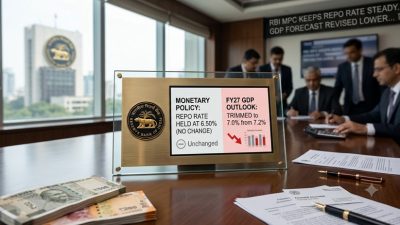
The Reserve Bank of India faces a difficult policy dilemma. Higher interest rates could help defend the rupee and combat inflation, but they would also slow economic growth at a time when India’s recovery needs support. Conversely, lower rates would boost growth but could accelerate the rupee’s decline and worsen imported inflation.
Foreign institutional investors have responded by pulling capital out of Indian markets, seeking the safety of dollar-denominated assets where rising US Treasury yields offer attractive returns. This capital outflow adds further pressure on the rupee and reduces the liquidity available for domestic investment.
India’s Response: Russian Oil and Diplomatic Efforts
The Indian government has taken several steps to mitigate the impact of the crisis. Most notably, India has continued purchasing Russian crude oil despite the expiry of a US waiver that had previously shielded Indian buyers from sanctions-related complications. Russian oil, available at a discount to global benchmarks, provides a partial hedge against Middle Eastern supply disruptions.
India’s oil marketing companies have also implemented fuel price increases to reduce their under-recoveries, the gap between the cost of imported oil and the retail price of fuel. While politically unpopular, these price adjustments are necessary to prevent the financial deterioration of state-owned oil companies.
On the diplomatic front, India has maintained its characteristically balanced approach, engaging with all parties in the West Asia conflict while advocating for de-escalation and freedom of navigation through the Strait of Hormuz. India’s strong relationships with both the Gulf Arab states and Iran give it a unique diplomatic position, but the limits of diplomacy are apparent when military tensions are this elevated.
Long-Term Solutions: Diversification and Renewable Energy
The current crisis has reinforced calls for India to accelerate its energy diversification strategy. The country has set ambitious targets for renewable energy capacity and electric vehicle adoption, but progress has been slower than planned, and oil remains the dominant fuel for transportation and industry.
Commerce Minister Piyush Goyal recently urged Indian industry to reduce dependence on capital goods imports, a message that extends to energy as well. Expanding domestic oil and gas production, investing in renewable energy infrastructure, and building larger strategic reserves are all necessary steps, but they require years of sustained investment and political will.
What to Watch in the Coming Weeks
The trajectory of the West Asia crisis remains highly uncertain. Key variables include the potential for direct military confrontation between Iran and the US-Israel alliance, the durability of alternative supply routes bypassing the Strait of Hormuz, and the willingness of other oil producers like Saudi Arabia and the UAE to increase production to compensate for any disruption. For India, the stakes could not be higher, and the coming weeks will test the resilience of an economy that has long depended on a stable flow of affordable Middle Eastern oil.
Explore more: Business & Economy | International

- Fentanyl Vaccine Breakthrough: Scripps Research Develops Shot That Blocks Deadly Overdoses Before They Reach the Brain - June 13, 2026
- Nipah Virus Returns to Kerala — First Case of 2026 Confirmed, State Declares High Alert - June 12, 2026
- Jill Biden Reveals She Wanted to Keep PM Modi’s 7.5-Carat Diamond Gift but Returned It After State Department Valued It at $20,000 - June 8, 2026