US Justice Department Charges Former Cuban President Raul Castro With Murder Over 1996 Shootdown of Two Humanitarian Planes

Historic Indictment Charges Former Cuban Leader With Murder of Four Americans
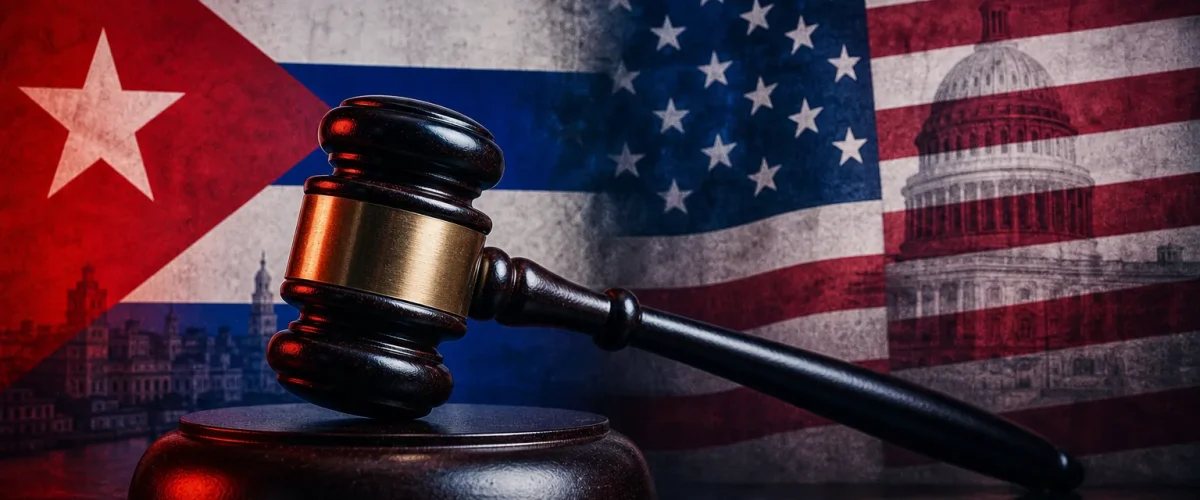
The United States Justice Department on 20 May 2026 unsealed a criminal indictment charging former Cuban President Raúl Castro with seven counts related to the shootdown of two civilian aircraft in 1996 that killed four people, including three US nationals. The charges include conspiracy to kill US nationals, destruction of aircraft, and four separate counts of murder for each of the passengers aboard the planes.
The indictment, returned by a federal grand jury on 23 April and kept sealed until now, represents the first time in nearly 70 years that senior Cuban leadership has been charged in an American court for acts of violence resulting in the deaths of US citizens. Acting Attorney General Todd Blanche announced the charges at a press conference in Miami, calling it a historic step in holding foreign leaders accountable.
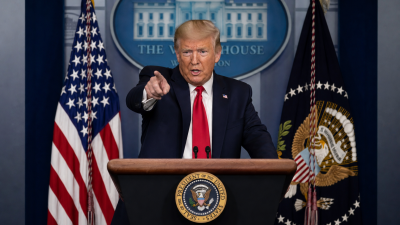
“Nations and their leaders cannot be permitted to target Americans, kill them, and not face accountability,” Blanche said. “President Trump is committed to restoring a very simple but important principle: if you kill Americans, we will pursue you no matter who you are, no matter what title you hold, and in this case, no matter how much time has passed.”
The 1996 Brothers to the Rescue Incident
The charges stem from an incident on 24 February 1996, when Cuban military jets shot down two Cessna aircraft operated by Brothers to the Rescue, a Miami-based exile group that conducted humanitarian flights searching for Cuban refugees attempting to flee the island nation by sea. The four people killed were Carlos Costa, Armando Alejandre Jr, Mario de la Peña, and Pablo Morales.
Brothers to the Rescue had been a thorn in the Cuban government’s side for years, conducting flights near and occasionally over Cuban airspace as part of its mission to assist Cuban exiles. The Cuban government had repeatedly warned the group to stop its operations, and the February 1996 shootdown represented a dramatic escalation that triggered an international diplomatic crisis.
At the time, Castro served as Cuba’s defence minister and, according to prosecutors, ordered the military operation that resulted in the destruction of the two civilian planes. The incident led to the passage of the Helms-Burton Act in the United States, which tightened the economic embargo against Cuba and allowed US citizens to sue foreign companies that profited from property confiscated by the Cuban government.
Why Now: Trump Administration’s Cuba Strategy
The timing of the indictment’s unsealing is widely seen as part of the Trump administration’s broader strategy to escalate pressure on Cuba. Since returning to office, Trump has reimposed and tightened sanctions that had been partially relaxed during previous administrations, and has designated Cuba as a state sponsor of terrorism.
Castro, now 94 years old and reportedly in declining health, is extremely unlikely to face trial in a US court. Cuba does not have an extradition treaty with the United States, and the Cuban government has categorically rejected the jurisdiction of American courts over its former leaders. However, the indictment carries symbolic and practical weight: it could be used to seize any assets Castro or his associates hold in countries that cooperate with US legal processes, and it sends a message to other foreign leaders about American willingness to pursue accountability across decades.
The Cuban government swiftly condemned the charges as politically motivated and an act of aggression against Cuban sovereignty. In a statement released through state media, Havana described the indictment as part of a “long pattern of hostile actions” by the United States against Cuba and warned that the move would further damage already strained bilateral relations.
International Reactions and Legal Precedent
The indictment has generated mixed reactions internationally. Human rights organisations have cautiously welcomed the charges as a step toward accountability for state-sponsored violence against civilians, while some legal scholars have questioned whether charging a 94-year-old former head of state for actions taken three decades ago serves the interests of justice or is primarily a political gesture.
The case also raises broader questions about the precedent of charging sitting or former foreign leaders in domestic courts. While international tribunals have prosecuted leaders such as Slobodan Milošević and Charles Taylor, the use of a national court to indict a foreign head of state remains controversial under international law. Several countries have expressed concern that the move could be used as justification for similar actions by other nations, potentially destabilising diplomatic norms.
The families of the four victims, however, have welcomed the charges after nearly three decades of seeking justice. Relatives gathered at the Miami press conference described the indictment as a long-overdue recognition of their loved ones’ deaths and called on the international community to support the pursuit of accountability. Their campaign for justice has spanned multiple US administrations and has been a persistent element of Cuban-American political advocacy in Florida.
Implications for US-Cuba Relations
The charges come at a time when US-Cuba relations are at their lowest point in decades. Beyond sanctions and designations, the Trump administration’s aggressive foreign policy stance has extended to the Western Hemisphere, with increased pressure on Cuba, Venezuela, and Nicaragua as part of a broader strategy to counter what Washington describes as authoritarian regimes in the Americas.
Cuba faces severe economic challenges, including food shortages, power outages, and a mass emigration crisis that has seen hundreds of thousands of Cubans leave the island since 2021. The tightened US sanctions have exacerbated these conditions, and the Castro indictment further eliminates any near-term possibility of diplomatic engagement or sanctions relief.
A Case That May Never See Trial
Legal experts widely agree that the case against Castro will almost certainly never proceed to trial. The former president remains in Cuba, beyond the reach of US law enforcement, and no mechanism exists to compel his appearance in court. However, the indictment ensures that a formal legal record of the charges exists, preventing any statute of limitations issues and keeping the case alive indefinitely. It also means that Castro, or any associates named in the indictment, could face arrest if they ever travel to a country with US extradition agreements, a prospect that further restricts the mobility of Cuban officials internationally.
For global diplomatic observers, the Castro indictment represents another data point in an increasingly assertive American approach to foreign policy that prioritises unilateral action over multilateral negotiation. Whether this approach strengthens or weakens the international rules-based order remains one of the defining debates of the current geopolitical era.
Explore more: Culture & Lifestyle | International

- Indian Army Gets New Chief as General Dwivedi Hands Over Command Amid Push for Indigenous Defence Tech - July 1, 2026
- Ayodhya Ram Temple Donation Scandal Deepens as Trustees Resign and SIT Arrests Eight - June 29, 2026
- Bengal Seven Weeks On: Modi’s Historic Win and the Questions That Won’t Go Away - June 28, 2026