India Electricity Demand Hits All-Time Record as Severe Heatwave Pushes Delhi to 43 Degrees Celsius and Power Grid Faces Unprecedented Strain

India’s Power Grid Under Unprecedented Pressure
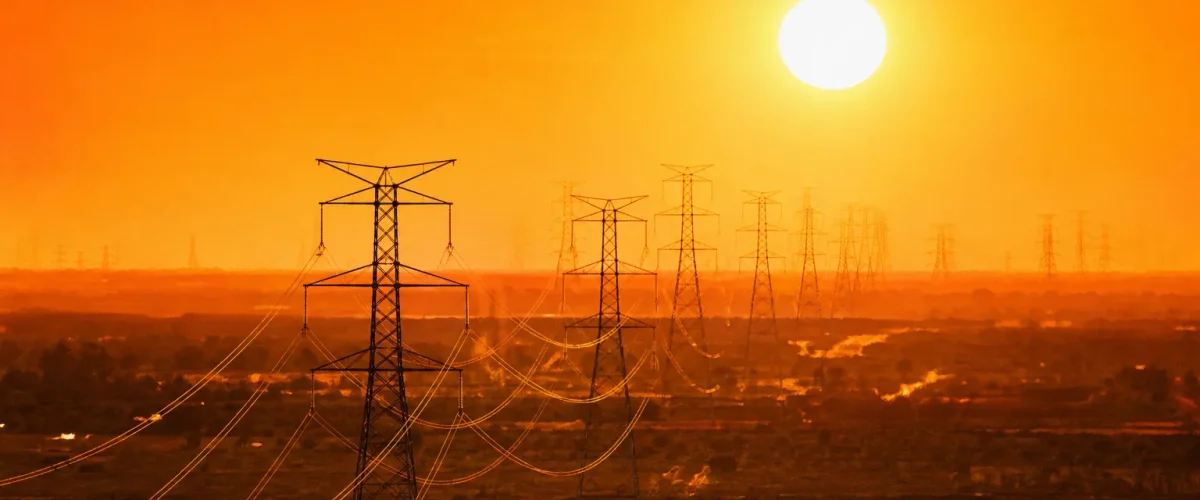
India’s electricity demand has surged to an all-time record as a severe heatwave continues to grip large swathes of North India, pushing temperatures to dangerous levels and forcing millions of households and businesses to maximise their use of air conditioning, coolers and fans. The national power demand peak, which measures the maximum electricity load the grid must support at any given moment, has crossed previous records, testing the capacity of India’s power generation and distribution infrastructure.
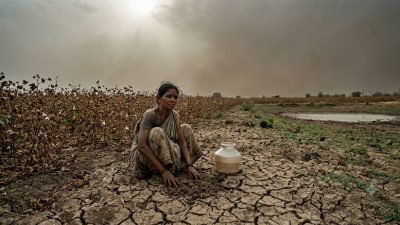
The heatwave, which has been building over the past week, reached its most intense phase with Delhi recording a temperature of 43.4 degrees Celsius — 110 degrees Fahrenheit — the hottest May reading in the capital in two years. The India Meteorological Department has issued yellow, orange and red warnings across various zones of North India, with the highest maximum temperature in the country reaching 46 degrees Celsius in Akola, Maharashtra.
Power Demand Numbers Break Records
The surge in electricity consumption has been dramatic. According to data from the National Load Despatch Centre, peak power demand crossed the previous all-time record, driven primarily by the explosive growth in air conditioning adoption across India’s cities and towns. The residential sector, which accounts for an increasing share of electricity consumption, has been the primary driver of the demand spike, as households run cooling appliances around the clock to cope with temperatures that make normal activity difficult or dangerous.
The industrial and commercial sectors have also contributed to the load, with data centres, office buildings and retail establishments running their cooling systems at maximum capacity. The growing digital economy, with its vast server farms and technology infrastructure, has added a structural demand component that did not exist at comparable levels even five years ago.
Power utilities across North India have been working overtime to meet the demand. Several state distribution companies have reported that their power purchase costs have risen sharply, as they are forced to buy expensive spot-market electricity to supplement their contracted supplies. This additional cost will eventually be passed on to consumers through electricity tariff adjustments, adding another layer of inflationary pressure to household budgets already strained by rising fuel prices.
Health Risks and Vulnerable Populations
The heatwave poses serious health risks, particularly for the elderly, young children, outdoor workers and those without access to adequate cooling. AccuWeather international meteorologists have warned that the temperatures being recorded across North India can be dangerous, especially for vulnerable populations. Heat-related illnesses, including heat stroke, dehydration and heat exhaustion, tend to spike during prolonged heatwave events.
Construction workers, delivery riders, street vendors and agricultural labourers are particularly exposed, as their livelihoods depend on working outdoors during the hottest hours of the day. Several states have issued advisories recommending that outdoor work be restricted during peak heat hours, typically between 12 noon and 4 p.m., but enforcement of such guidelines remains inconsistent.
Urban heat island effects are intensifying the problem in major cities. Delhi, Mumbai, Ahmedabad and other densely built metropolitan areas trap and amplify heat due to the prevalence of concrete, asphalt and glass surfaces that absorb and re-radiate solar energy. The limited green cover in these cities offers inadequate natural cooling, and the waste heat generated by millions of air conditioning units actually contributes to making outdoor temperatures even higher — a vicious cycle that urban planners are struggling to address.
The Energy Security Dimension
The timing of the heatwave could not be worse from an energy security perspective. India is already grappling with the economic fallout of the West Asia crisis, which has driven up the cost of imported crude oil and natural gas. A significant portion of India’s electricity is generated from natural gas-fired plants, and the elevated cost of gas is making these plants more expensive to operate at precisely the moment when the country needs maximum generating capacity.
Coal, which remains the backbone of India’s power generation, has been under supply pressure as well. Coal India Limited, the state-owned mining giant, has been ramping up production, but the combination of heatwave-related transportation disruptions and surging demand has kept coal stocks at several thermal power plants below comfortable levels. The government has directed Coal India to prioritise supplies to power plants in the states most affected by the heatwave.
The broader energy security challenges facing India have been highlighted by the current situation. The country’s dependence on imported fossil fuels makes it vulnerable to external shocks, and the combination of a geopolitical crisis in a major oil-producing region with a domestic climate emergency has exposed the limitations of the current energy infrastructure.
Renewable Energy and Long-Term Solutions
The crisis has renewed calls for accelerating India’s transition to renewable energy sources. Solar power generation has been performing well during the heatwave, with higher-than-average output from solar installations across Rajasthan, Gujarat and other sun-drenched states. However, solar generation peaks during midday hours, while electricity demand often extends well into the evening and night, highlighting the need for large-scale battery storage infrastructure.
India has ambitious renewable energy targets, including 500 gigawatts of non-fossil fuel capacity by 2030. Achieving these targets would significantly reduce the country’s vulnerability to both imported energy price shocks and demand spikes driven by extreme weather events. However, the transition requires massive investment in generation capacity, transmission infrastructure and storage systems — investment that competes with other pressing demands on government resources.
Weather Forecast and Outlook
The IMD forecast suggests that the current heatwave is expected to persist for several more days before a gradual moderation in temperatures. The onset of the southwest monsoon, which typically reaches the Kerala coast by late May or early June, will eventually bring relief to large parts of the country. However, the monsoon this year is expected to be below normal due to Super El Niño conditions, which could mean that the relief is partial and that above-normal temperatures return during monsoon breaks.
For now, Indians across the northern plains are enduring one of the most punishing heatwaves in recent memory. The record electricity demand is a symptom of a broader challenge: as India urbanises, as incomes rise and as climate change makes extreme heat events more frequent and intense, the country’s power infrastructure will need to grow dramatically to meet the needs of 1.4 billion people seeking respite from the sun.
Explore more: Economy | Social Trends