Kerala Backwaters in Monsoon 2026: Sustainable Houseboat Tourism Takes Centre Stage


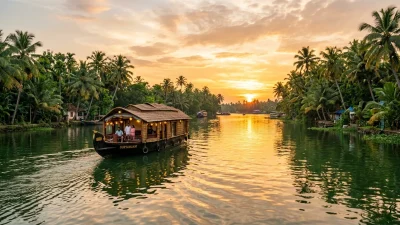
Kerala’s famed backwaters, a 900-kilometre network of canals, lagoons, and lakes that weave through the state’s coastal lowlands, have long been one of India’s most celebrated tourism draws. In 2026, however, the backwater experience is undergoing a profound transformation. Driven by growing environmental awareness, government regulation, and a new generation of eco-conscious travellers, sustainable houseboat tourism is taking centre stage in Kerala — and the monsoon season, traditionally considered the off-peak period, is emerging as the most compelling time to visit.
The Green Houseboat Revolution
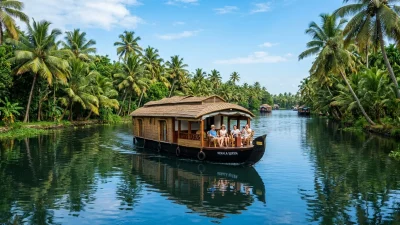
At the heart of the transformation is the rapid adoption of solar-powered and electric houseboats across Alleppey, Kumarakom, and Kollam — the three primary backwater tourism hubs. The Kerala Tourism Department, in partnership with the Kerala State Electricity Board and private operators, has launched the Green Kettuvallam Initiative, a programme that provides subsidised financing and technical support for houseboat owners transitioning from diesel-powered vessels to electric or hybrid models.
As of March 2026, approximately 35 per cent of the estimated 1,200 operational houseboats in Kerala have completed the transition to electric propulsion, with a government-mandated target of 100 per cent conversion by December 2027. The electric houseboats are equipped with rooftop solar panels that generate up to 3 kW of power, sufficient to run onboard lighting, fans, refrigeration, and cooking equipment. The vessels glide silently through the waterways, eliminating the noise and exhaust pollution that had become a growing concern among environmentalists and residents.
Bio-Toilets, Waste Management, and Water Quality
Beyond propulsion, the sustainability overhaul extends to waste management. The Kerala Pollution Control Board has mandated that all operational houseboats install bio-digesters or composting toilet systems by mid-2026, replacing the rudimentary sewage disposal methods that had previously contaminated backwater ecosystems. Greywater filtration systems are now standard on newly certified boats, and operators are required to carry onboard waste segregation kits for solid refuse.
The results are already measurable. Water quality testing conducted by the Centre for Water Resources Development and Management in Kozhikode indicates a 22 per cent improvement in dissolved oxygen levels across monitored backwater stretches since the implementation of the Green Kettuvallam Initiative. Fish populations in Vembanad Lake, the largest backwater body, have shown signs of recovery, with local fishermen reporting improved catches for the first time in over a decade.
Why Monsoon Is the New Peak Season
Traditionally, Kerala’s monsoon months — June through September — were considered unsuitable for houseboat tourism, with heavy rains, choppy waters, and reduced visibility deterring visitors. However, a deliberate rebranding effort by Kerala Tourism has repositioned the monsoon as the ideal season for an authentic backwater experience. The state’s “Monsoon Magic” campaign, launched in 2025 and expanded in 2026, highlights the unique beauty of the rain-drenched landscape — the emerald intensity of paddy fields, the dramatic cloud formations, the therapeutic sound of rain on water, and the exclusive privacy that comes with fewer tourists.
Houseboat operators have responded by developing monsoon-specific packages that include covered deck dining, Ayurvedic rain therapy sessions, traditional Kerala cuisine cooking classes using freshly harvested ingredients, and guided canoe excursions through narrow canals that are only navigable during the high-water monsoon months. These packages are priced 30-40 per cent lower than peak-season rates, making the monsoon a particularly attractive option for budget-conscious travellers. This focus on distinctive seasonal experiences mirrors the innovation seen across India’s tourism sector, much like the IPL 2026’s franchise strategies that reimagined the viewer experience.
Community-Based Tourism: The Responsible Travel Model
The sustainability agenda in Kerala’s backwaters extends beyond the boats themselves to the communities that depend on the waterways for their livelihoods. The Responsible Tourism Mission, a pioneering government programme, has expanded its backwater operations in 2026 to include 42 community-based tourism units across Alleppey and Kottayam districts. These units, managed by local women’s self-help groups and fishermen’s cooperatives, offer visitors home-cooked meals, traditional coir-making demonstrations, toddy tapping experiences, and overnight stays in heritage homesteads.
Revenue from community-based tourism is distributed equitably among participating families, creating a sustainable income stream that reduces dependence on conventional fishing and farming. The model has attracted international attention, with the United Nations World Tourism Organisation citing Kerala’s Responsible Tourism Mission as a global best practice in community-driven sustainable tourism development.
New Infrastructure Supporting Sustainable Access
Infrastructure improvements are complementing the sustainability push. The Kochi Water Metro, India’s first water transit system, has expanded its network in 2026 with new routes connecting Ernakulam to the southern backwater zones, providing an eco-friendly alternative to road travel for tourists heading to Alleppey. A new Integrated Backwater Tourism Terminal at Alleppey, equipped with electric vehicle charging points, bicycle rental stations, and a visitor information centre, serves as the gateway for houseboat journeys.
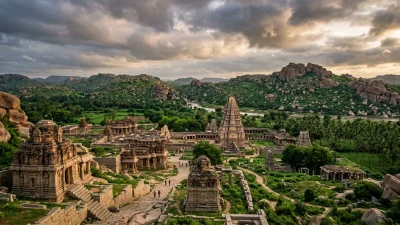
For those arriving from farther afield, Cochin International Airport — the world’s first fully solar-powered airport — offers direct flights from 28 domestic and 21 international destinations. The airport’s location, approximately 85 kilometres from Alleppey, makes it convenient for travellers planning backwater itineraries. Those exploring broader South Indian circuits may wish to combine a Kerala backwater experience with a visit to Karnataka’s awe-inspiring ancient ruins at Hampi, creating a comprehensive southern heritage and nature itinerary.
The Future Floats on Cleaner Waters
Kerala’s sustainable houseboat transformation is more than a tourism trend — it is a necessity. The backwaters are a fragile ecosystem that supports millions of livelihoods, and their preservation requires the kind of systemic change that the Green Kettuvallam Initiative represents. For travellers in 2026, the message is clear: the Kerala backwater experience has never been more beautiful, more responsible, or more rewarding. Whether under monsoon skies or winter sunshine, a journey through these enchanted waterways is a reminder that India’s natural heritage, when cared for, can sustain both the soul and the future. The convergence of tradition and innovation in Kerala also reflects the themes being discussed at national forums, including India’s aspirations for sustainable technology-driven growth highlighted at the recent AI Summit.