Trump Blasts Netanyahu in Heated Phone Call Over Lebanon Invasion — ‘You’re F**king Crazy’, Says Report

Trump Unleashes on Netanyahu After Israel Escalates in Lebanon
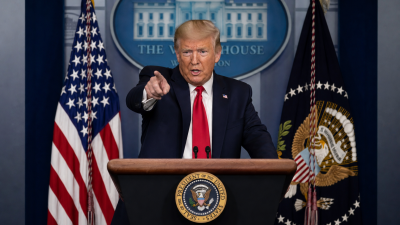
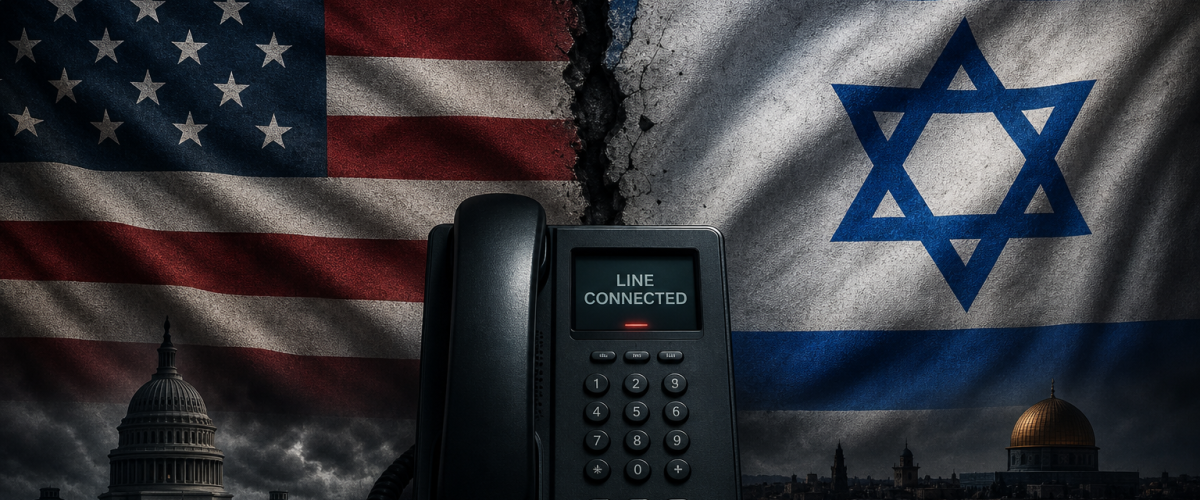
In one of the most explosive diplomatic exchanges of the Trump presidency, US President Donald Trump reportedly blasted Israeli Prime Minister Benjamin Netanyahu during a heated phone call on Monday, accusing him of ingratitude and warning that Israel’s escalation in Lebanon could unravel weeks of fragile diplomacy in the Middle East.
According to a report by Axios, citing two US officials and another source briefed on the conversation, Trump used unusually blunt language with the Israeli leader. One US official summarised Trump’s remarks as: “You’re f**king crazy. You’d be in prison if it weren’t for me.” The exchange reportedly took place after Israel ordered deeper military operations into southern Lebanon, despite ongoing ceasefire negotiations brokered partly by Washington.
What Triggered the Confrontation
The phone call came hours after the Israeli Defence Forces (IDF) announced expanded operations in southern Lebanon targeting Hezbollah positions. The move directly contradicted assurances Netanyahu had reportedly given to Trump’s Middle East envoy earlier in the week that Israel would limit its military footprint while diplomatic channels remained active.
According to Middle East Eye, Trump moved to block an Israeli plan to strike Beirut during the call. The US president was said to be furious that the escalation could derail a broader diplomatic framework his administration had been building, which envisioned trilateral talks between Israel, Lebanon, and the United States.
Sources familiar with the conversation told Axios that Trump reminded Netanyahu that the US had provided critical diplomatic cover for Israel in recent months, including vetoing UN Security Council resolutions and maintaining military aid despite international pressure. Trump allegedly felt that Netanyahu’s unilateral decision to escalate showed a lack of appreciation for American support.
The Broader Context: A Fragile Ceasefire Crumbling
The confrontation between the two leaders comes against the backdrop of the broader Middle Eastern crisis that has been escalating since early 2026. Following the US-Israeli air campaign against Iran in February that led to the assassination of Iran’s supreme leader Ali Khamenei, the region has been engulfed in a series of interconnected conflicts.
A ceasefire between Israel and Hezbollah in Lebanon, brokered in April with significant American involvement, was meant to create space for diplomatic resolution. However, the truce has been only partially adhered to by both sides. Hezbollah has continued cross-border attacks, while Israel has conducted what it calls “defensive operations” that critics say amount to full-scale military incursions.
Trump had previously told Axios in an April 29 interview that he had advised Netanyahu to take a “surgical” approach. “I informed Netanyahu that he must approach it more surgically. He shouldn’t demolish buildings. That is unacceptable and tarnishes Israel’s image,” Trump stated at the time. The latest escalation suggests that advice went unheeded.
Diplomatic Fallout and Regional Reactions
The heated exchange has sent shockwaves through diplomatic circles in Washington and Tel Aviv. Several US State Department officials, speaking on condition of anonymity, told reporters that the relationship between Trump and Netanyahu — once described as the closest between any US president and Israeli prime minister — has reached its lowest point.
Lebanon’s government, led by President Joseph Aoun, issued a statement condemning Israel’s expanded operations and calling on the international community to enforce the ceasefire. The statement said that Lebanon holds Israel “fully responsible for the humanitarian consequences of continued military aggression.”
Iran’s foreign ministry seized on the reports, with spokesman Nasser Kanaani saying the exchange “reveals the true nature of Israel’s reckless behaviour that even its closest ally cannot tolerate.” The comments come as Iran itself has suspended ceasefire talks with the United States, citing Israeli operations in Lebanon as a violation of broader agreements.
What This Means for US-Israel Relations
Former US Ambassador to Israel Daniel Shapiro told CNN that the reported exchange represents “a genuine rupture, not political theatre.” He noted that previous US presidents have had tense moments with Israeli leaders, but the reported language used by Trump suggests a deeper personal frustration.
Defence analysts point out that despite the harsh words, the structural US-Israel relationship remains intact. Military aid continues to flow, intelligence sharing remains robust, and the two countries’ defence establishments maintain close coordination. However, the political relationship at the leadership level may take time to recover.
Republican Senator Lindsey Graham, typically a staunch supporter of both Trump and Israel, called for “calm heads to prevail” and urged both leaders to focus on the shared threat from Iran and its proxies. Democratic leaders, meanwhile, used the reports to renew calls for conditions on US military aid to Israel.
Netanyahu’s Response
The Israeli Prime Minister’s office issued a terse statement saying that “Israel’s security decisions are made in Jerusalem, not Washington” and that Netanyahu “values the alliance with the United States while maintaining Israel’s sovereign right to defend its citizens.” The statement notably did not deny the reported exchange.
Israeli media reported that Netanyahu held an emergency security cabinet meeting following the call, where ministers were briefed on the American position. Defence Minister Yoav Gallant reportedly advocated for a more measured approach to avoid further straining ties with Washington.
What Happens Next
The immediate question is whether Israel will scale back operations in Lebanon in response to American pressure. US Special Envoy Amos Hochstein is reportedly planning an urgent trip to the region this week to attempt to salvage what remains of the ceasefire framework.
For the broader international situation, the Trump-Netanyahu rift adds another layer of uncertainty to an already volatile region. With Iran suspending talks with Washington, the Strait of Hormuz crisis continuing to disrupt global energy markets, and now the US-Israel relationship under strain, diplomatic solutions appear more elusive than ever.
As one senior Western diplomat told Reuters: “When the two closest allies in the region can’t agree on strategy, everyone else in the neighbourhood gets nervous. And nervous actors in the Middle East tend to make dangerous decisions.”