Prabhas, Nayanthara and the New Superstars: How South Cinema’s Stars Are Redefining Indian Celebrity in 2026

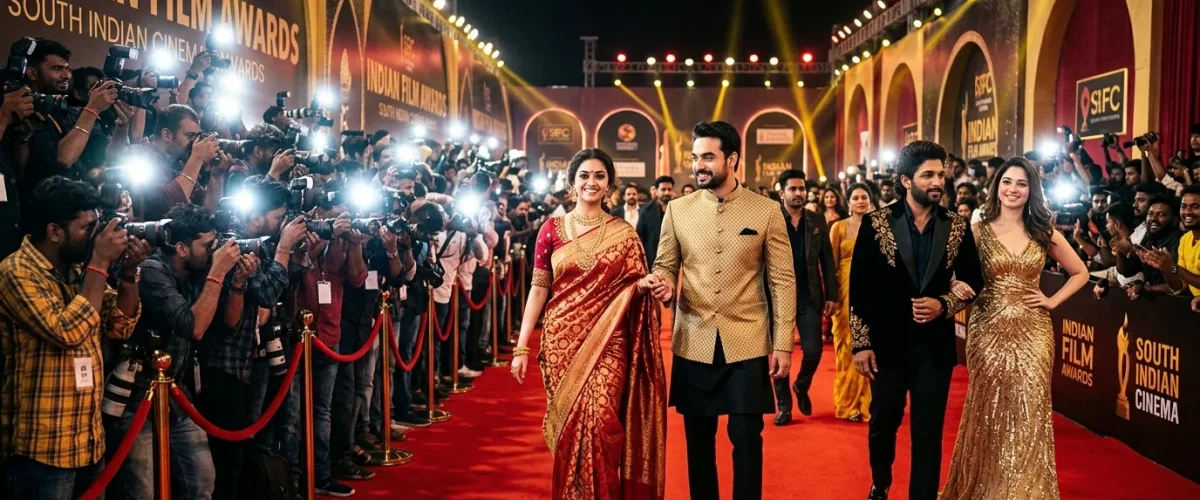
There was a time, not so distant, when the phrase “Indian film star” was virtually synonymous with Bollywood. The nation’s celebrity ecosystem — its brand endorsements, its gossip columns, its awards ceremonies, its cultural conversations — orbited around a Hindi-language axis. That era has definitively ended. In 2026, the biggest stars in Indian cinema are as likely to hail from Chennai, Hyderabad, Kochi, or Bengaluru as from Mumbai, and the cultural implications of this geographic diversification are profound.
The Pan-India Superstar Phenomenon
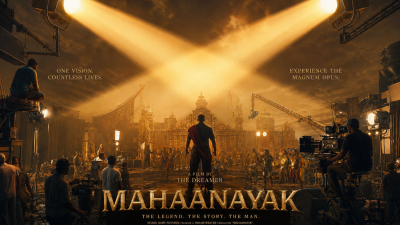
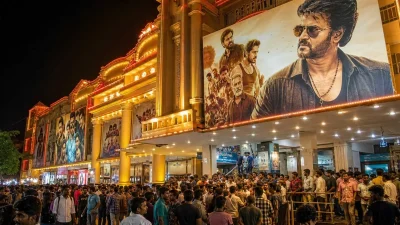
The emergence of truly pan-India superstars from South Indian cinema represents one of the most significant shifts in Indian popular culture in decades. Actors like Prabhas, whose Baahubali franchise redrew the commercial map of Indian cinema, have demonstrated that stardom built in Telugu or Tamil can translate into nationwide — and indeed global — recognition. In 2026, this is no longer an exceptional achievement but an established pathway, with multiple South Indian actors commanding pan-India fanbases that rival or exceed those of Bollywood’s biggest names.
The commercial dimensions of this shift are staggering. Brand endorsement deals for top South Indian stars now match those of their Bollywood counterparts, reflecting advertisers’ recognition that a star popular across southern India commands access to markets with enormous purchasing power. The advertising industry’s belated awakening to South Indian stardom has been accelerated by data showing that endorsements featuring South Indian actors outperform those featuring Hindi-language stars in key consumer categories across multiple states.
Nayanthara: The Queen Who Rewrote the Rules
Few careers better illustrate the transformation of Indian celebrity than that of Nayanthara. The actor, whose career spans more than two decades across Tamil, Telugu, and Malayalam cinema, has achieved a level of stardom that defies the traditional hierarchy of Indian entertainment. In 2026, she is not merely one of Indian cinema’s most bankable female stars — she is among its most bankable stars, period, commanding solo lead roles with production budgets that match those typically reserved for male superstars.
Nayanthara’s significance extends beyond her commercial clout. She has systematically challenged the gender dynamics of South Indian cinema — an industry where male star vehicles traditionally dominate — by building a body of work anchored in female-driven narratives. Her production ventures, brand partnerships, and public persona collectively project an image of female empowerment that resonates with a generation of Indian women navigating their own negotiations with tradition and modernity. Her trajectory mirrors the evolving landscape of Bollywood’s March 2026 releases, where diverse storytelling takes centre stage.
The Brand Value Revolution
The brand endorsement landscape in India has undergone a tectonic shift in response to South Indian cinema’s commercial ascent. In 2026, the top ten Indian celebrities by brand value — as measured by endorsement revenue and consumer impact metrics — include at least four actors whose primary careers are in South Indian languages. This represents a dramatic change from even five years ago, when the list was dominated by Bollywood actors and cricketers.
The shift reflects deeper changes in India’s consumer market. As purchasing power grows in southern and eastern India, brands require ambassadors who resonate with these audiences. A Telugu or Tamil superstar’s endorsement carries cultural authenticity in markets where a Bollywood actor might be recognised but not emotionally connected. The most astute brands have responded by building rosters that include stars from multiple linguistic markets, creating campaigns that can be customised for regional relevance while maintaining national brand consistency.
Social Media and the New Celebrity Architecture
The social media landscape has been instrumental in dismantling the hierarchy that once placed Bollywood at the apex of Indian celebrity. Platforms like Instagram, YouTube, and X (formerly Twitter) have enabled South Indian stars to build direct relationships with fans across the country, bypassing the gatekeeping function traditionally performed by Hindi-language media. In 2026, several South Indian actors maintain social media followings that exceed those of many Bollywood stars, with engagement rates that suggest genuinely invested fanbases rather than passive followerships.
The content strategies of South Indian stars on social media are notably more sophisticated than the generic promotional posts that characterise many Bollywood celebrity accounts. Behind-the-scenes glimpses of film productions, culturally specific content that celebrates regional identity, and engagement with fan communities through live sessions and interactive content create a sense of intimacy and authenticity that strengthens parasocial relationships. This digital savvy connects to broader technology trends reshaping Indian society, including those highlighted at the AI Summit 2026.
The Crossover Question
As South Indian stars establish pan-India recognition, the question of Bollywood crossovers has become increasingly nuanced. In earlier decades, a South Indian actor “making it” required a successful Hindi debut — a validation that implicitly acknowledged Bollywood’s supremacy. In 2026, the calculus has changed. Several top South Indian stars have either declined Bollywood offers or approached them selectively, recognising that their home industries offer comparable or superior commercial opportunities without requiring the cultural accommodation that a Bollywood transition demands.
This does not mean crossovers have ceased — rather, they occur on more equitable terms. When a major South Indian star appears in a Hindi film, the collaboration is increasingly positioned as a partnership of equals rather than an aspirational transition. The creative benefit is evident in films that blend the strengths of different cinematic traditions, combining Bollywood’s mainstream sensibility with South Indian cinema’s technical ambition and narrative boldness.
Female Stars and the Equity Challenge
While South Indian cinema’s commercial success has elevated its male superstars to unprecedented heights, the gender dynamics of the industry remain a subject of robust debate. Pay disparity between male and female leads, while narrowing in certain sectors, persists across all four major South Indian industries. Female-led films, though increasingly viable commercially, still represent a minority of high-budget productions, and the career longevity available to male actors — who routinely play leading roles well into their fifties — is not equally extended to their female counterparts.
However, 2026 shows encouraging signs of progress. A new generation of female actors is negotiating from positions of greater strength, demanding script approval, equitable billing, and production credits. Production houses led by female actors are greening lighting projects that centre women’s stories without apology, and the commercial success of several female-led films in early 2026 has weakened the argument that audiences will not show up for women-driven narratives.
The Global Dimension
South Indian cinema’s celebrity ecosystem is increasingly global in scope. Diaspora audiences in North America, the Middle East, and Southeast Asia represent significant revenue streams for major South Indian releases, and stars from the region undertake promotional tours that treat international markets as integral rather than supplementary. The cultural influence flows in both directions — South Indian cinema’s action choreography, visual effects ambition, and narrative tropes have been acknowledged by international filmmakers as sources of inspiration.
Several South Indian actors have also begun exploring opportunities in international productions, though these remain selective. The most significant international engagement is arguably happening not through individual casting but through the export of South Indian filmmaking talent — directors, cinematographers, action choreographers, and visual effects artists whose work has attracted attention from Hollywood and other international industries.
A New Map of Indian Stardom
The celebrity landscape of India in 2026 is fundamentally more democratic than at any previous point. The monopoly that Bollywood once held over the nation’s star-making machinery has been broken, replaced by a multipolar system where talent from any linguistic market can achieve national and international recognition. For audiences, this diversification means a richer, more representative celebrity culture. For the industry, it means a more competitive, more innovative, and ultimately more vibrant entertainment ecosystem. As parallel developments in Indian entertainment — from the IPL’s celebration of regional sporting heroes to the music industry’s indie revolution — demonstrate, India’s cultural future belongs not to any single centre but to the extraordinary diversity of the nation itself.

- India’s Startup Funding Crosses $7.2 Billion in H1 2026 - July 1, 2026
- After Ireland Shock, India’s T20I Side Faces Bigger Test - July 1, 2026
- Ireland Stun World Champions India 2-0 in Belfast, Sooryavanshi Debate Rages On - June 29, 2026