Apple WWDC 2026 Begins June 8 — Siri Overhaul and Apple Intelligence Expansion Set to Headline Keynote

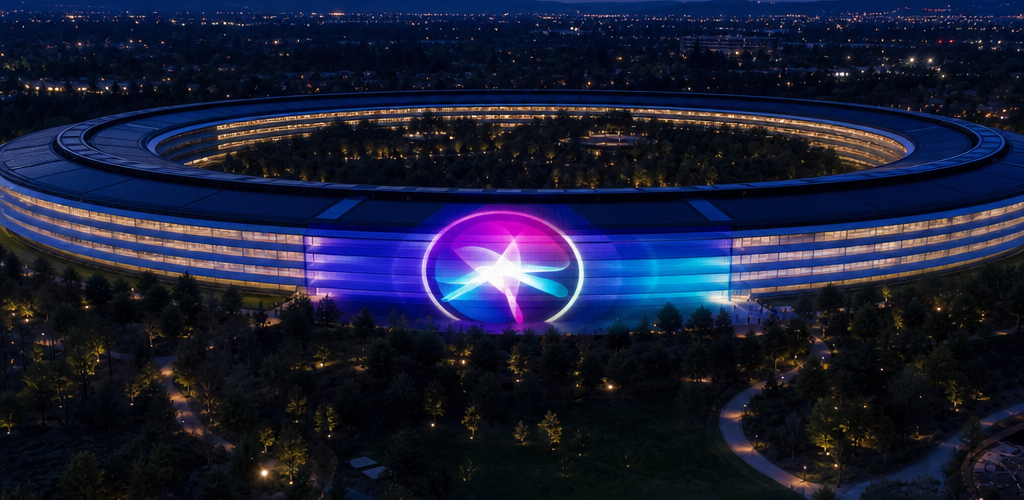
Apple’s Worldwide Developers Conference 2026 kicks off on Monday, June 8, with a keynote presentation at Apple Park in Cupertino that is expected to be the company’s most AI-focused event in years. For the first time, Apple explicitly teased “major AI advancements” in its event announcements — a departure from the company’s traditionally restrained pre-event messaging that signals a strategic inflection point.
Siri: The Long-Awaited Redesign
The centrepiece of WWDC 2026 is expected to be a fundamentally redesigned Siri. Reports from multiple credible sources indicate Apple has developed a chatbot-style version of its virtual assistant designed to compete directly with ChatGPT, Google’s Gemini, and Anthropic’s Claude.
The new Siri is reportedly capable of sustained, contextual conversations — a significant upgrade from the current command-and-response model that has frustrated users for years. Key features expected include deep personal context awareness, the ability to search across apps and on-screen content, and cross-app task automation. If a user asks Siri to “book a table at the Italian restaurant I went to last month and text my partner the reservation details,” the redesigned assistant should be able to chain those actions together without multiple prompts.
Whether this represents a full rollout or an early preview remains unclear. Apple’s track record with Siri upgrades has been marked by ambitious announcements followed by delayed or scaled-back implementations. The company has been working on next-generation Siri capabilities for over two years, and previous expected launch windows have come and gone without the promised overhaul materialising.
Apple Intelligence Expansion
Beyond Siri, WWDC 2026 is expected to expand Apple Intelligence — the on-device AI framework launched in 2024 — across the full product lineup. iOS 27, iPadOS 27, macOS 27, watchOS 27, tvOS 27, and visionOS 27 are all expected to receive AI-enhanced features.
Specific capabilities rumoured include improved photo editing with generative AI, more capable email and message summarisation, real-time language translation in video calls, and enhanced developer tools that leverage large language models for code generation and debugging. Apple’s emphasis on on-device processing — a privacy differentiator against cloud-dependent competitors — is expected to deepen, potentially with new Neural Engine capabilities in upcoming chip generations.
What This Means for the Indian Market
India is Apple’s fastest-growing major market, with iPhone sales growing over 30 per cent year-on-year. The Siri overhaul is particularly significant for Indian users if it includes improved multilingual support. Current Siri performance in Hindi and regional languages lags significantly behind Google Assistant, which has invested heavily in Indic language processing.
Apple has been expanding its India presence aggressively — opening retail stores in Mumbai and Delhi, expanding manufacturing through partners like Foxconn and Tata Electronics, and reportedly developing India-specific features. A Siri that can fluently handle code-switching between English and Hindi would address one of the most common complaints from Indian iPhone users.
The Competitive Landscape
The timing of Apple’s AI push is telling. It comes as the Nasdaq faces a 5 per cent correction driven by doubts about AI monetisation across the tech sector. Apple, which generates revenue primarily through hardware and services rather than AI infrastructure, is better positioned than most to weather an AI sentiment correction — provided it can demonstrate tangible consumer benefits rather than abstract capability improvements.
The WWDC 2026 keynote begins at 10:00 AM Pacific Time on June 8, with the event running through June 12. It will be primarily online and free for registered developers, with a limited in-person experience at Apple Park for select attendees.
Developer Impact
Beyond consumer features, WWDC is fundamentally a developer event, and the tools announced here shape the app ecosystem for the next 12-18 months. Developers attending the sessions — which run from June 8 through 12 — will gain early access to beta versions of all new operating systems, updated SDKs, and new APIs that enable integration with Apple Intelligence features.
For Indian developers, who represent one of the fastest-growing segments of the iOS developer community, the WWDC announcements have direct commercial implications. India’s iOS app development industry generates billions of dollars in annual revenue, and early adoption of new Apple technologies translates into competitive advantages for apps targeting both domestic and global markets.
The expansion of Apple Intelligence APIs could be particularly significant for Indian health-tech, ed-tech, and fintech startups that build iOS-first applications. If Apple opens access to on-device large language model capabilities through developer APIs, it would enable a new category of AI-powered apps that can process sensitive data — health records, financial information, educational assessments — without sending it to cloud servers, addressing both performance and privacy concerns in one architectural decision.
The Privacy Differentiator
Apple’s emphasis on on-device AI processing is not just a technical choice — it is a strategic positioning that becomes more valuable as concerns about data privacy intensify globally. India’s Digital Personal Data Protection Act of 2023, which is still in implementation phase, imposes stricter requirements on data processing and cross-border transfers. An AI architecture that processes data locally on the device rather than in cloud data centres aligns naturally with the direction of Indian data protection regulation.
This positions Apple favourably against Android-based competitors whose AI features often depend on cloud processing through Google’s servers. For privacy-conscious Indian consumers — particularly professionals in legal, medical, and financial fields — the promise of AI capabilities that never leave the device could be a significant purchase consideration.
The WWDC 2026 keynote will test whether Apple can translate its privacy-first AI narrative into features that match or exceed the capabilities of cloud-based competitors. If the new Siri can hold a contextual conversation, automate multi-step tasks, and understand Hindi as fluently as English — all while keeping data on the device — Apple will have a compelling answer to the question of why anyone should pay a premium for its ecosystem in the age of AI.

- Fentanyl Vaccine Breakthrough: Scripps Research Develops Shot That Blocks Deadly Overdoses Before They Reach the Brain - June 13, 2026
- Nipah Virus Returns to Kerala — First Case of 2026 Confirmed, State Declares High Alert - June 12, 2026
- Jill Biden Reveals She Wanted to Keep PM Modi’s 7.5-Carat Diamond Gift but Returned It After State Department Valued It at $20,000 - June 8, 2026