NEET 2026 Re-Exam Confirmed for June 21 in Pen-and-Paper Format — Supreme Court Rejects CBT Plea as CBI Probe Into Paper Leak Continues

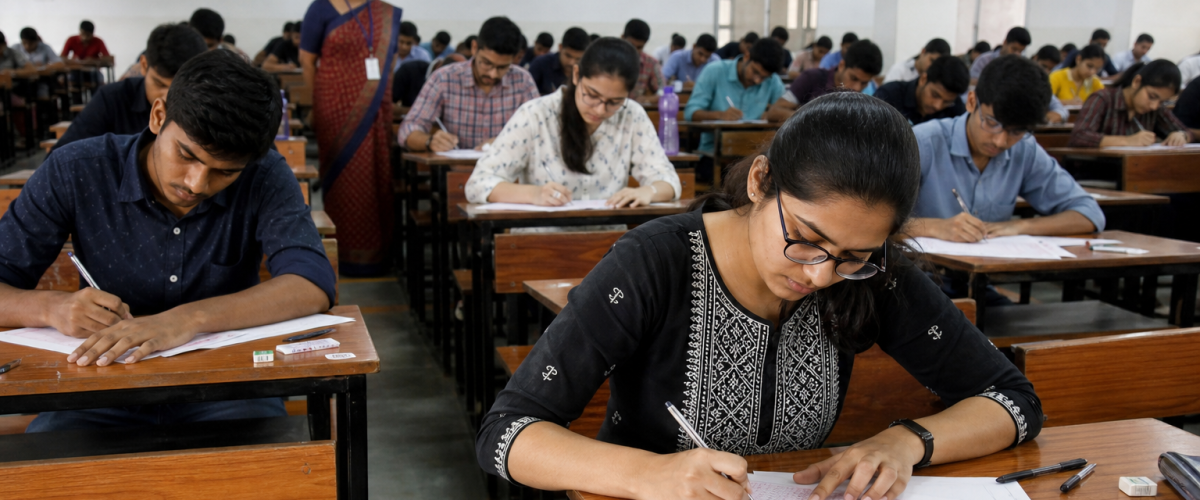
The Supreme Court of India has cleared the way for the NEET-UG 2026 re-examination to proceed on 21 June 2026 in the traditional pen-and-paper format, after dismissing a petition that sought to shift the test to a computer-based testing (CBT) mode. The ruling brings much-needed clarity for over 2.27 million medical aspirants who have been waiting anxiously since the original examination held on 3 May was cancelled on 12 May following one of the most significant paper leak scandals in Indian education history.
Meanwhile, the Central Bureau of Investigation (CBI) continues its probe into the leak, with multiple arrests already made including insiders from the National Testing Agency (NTA). The combination of the rescheduled exam and the ongoing investigation has kept the NEET controversy at the centre of India’s public discourse for over a month.
Supreme Court’s Ruling
A vacation bench headed by Justice P.S. Narasimha ruled that introducing a major change in the examination format at this stage was not practical. The court observed that switching from pen-and-paper to computer-based testing for a nationwide examination just weeks before the scheduled date could disrupt the entire logistical framework and create additional confusion for students who had prepared under the existing format.
“Changing the pattern or mode of a nationwide examination shortly before it is conducted could disrupt the entire process,” the bench noted in its order. The court declined to issue any direction for conducting the 2026 examination in CBT mode, effectively confirming that students will take the test using OMR (Optical Mark Recognition) sheets as in previous years.
However, the NTA informed the court that it plans to transition NEET-UG to a computer-based format from the next examination cycle, addressing concerns about the security vulnerabilities inherent in paper-based testing. The court has adjourned further hearings on the matter until 27 July.
The Paper Leak: What Happened
The original NEET-UG 2026 examination was held on 3 May for over 2.27 million aspirants seeking admission to undergraduate medical and dental courses across India. Within days, allegations surfaced that a “guess paper” circulated through WhatsApp and coaching centres in Sikar, Rajasthan, closely matched a significant number of questions in the actual exam — particularly in the Chemistry and Biology sections.
According to investigation reports, the overlap extended to as many as 120-140 questions. Shashikant Suthar, a chemistry teacher from Sikar, was among the first to alert authorities after comparing the circulated material with the official exam paper. The Rajasthan Police Special Operations Group initiated a preliminary investigation, which was subsequently transferred to the CBI given the national scale of the breach.
On 12 May, the NTA officially cancelled the examination “in the interest of students” and to protect the credibility of the national examination system. The decision was announced via a statement on X (formerly Twitter) and confirmed that a fresh examination would be scheduled.
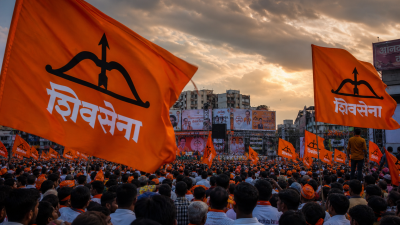
The protests that erupted at Jantar Mantar demanding accountability, including calls for the resignation of Education Minister Dharmendra Pradhan, reflected the depth of public anger over the scandal.
CBI Investigation Progress
The CBI has made several arrests in connection with the paper leak, including individuals with direct access to NTA’s question paper handling process. While the full scope of the racket remains under investigation, early findings suggest a network involving coaching centre operators, middlemen, and insiders who facilitated the pre-circulation of examination material.
The investigation has also raised serious questions about the structural integrity of the NTA, which was established in 2017 to conduct major entrance examinations including NEET, JEE Main, and UGC NET. Critics argue that the agency’s security protocols have proven inadequate for the scale and sensitivity of the examinations it administers.
This is not the first time India’s examination system has faced security breaches in 2026. A 16-year-old cybersecurity researcher recently exposed a data breach in JEE Advanced 2026 that left 1.79 lakh student records and admit cards publicly accessible, further eroding public confidence in the country’s testing infrastructure.
Enhanced Security Measures for June 21
In its submissions to the Supreme Court, the NTA outlined a comprehensive set of enhanced security measures for the rescheduled examination. These include stricter surveillance at examination centres through CCTV monitoring, multi-layer authentication processes for students and invigilators, greater inter-agency coordination with state police forces, and new protocols for the physical handling and transportation of question papers.
The agency also confirmed that it has engaged external security consultants to audit its processes and identify vulnerabilities. The question paper for the June 21 examination is being prepared under significantly tighter controls than the original test, with a reduced circle of individuals having access to the content.
Impact on Students
For the millions of students affected, the cancellation and rescheduling have imposed significant emotional and financial costs. Many aspirants had travelled to examination centres far from their homes for the 3 May test and must now make similar arrangements for the June 21 re-examination. Coaching centres have extended their preparation programs, adding to the financial burden on families.
Student advocacy groups have called for the government to provide financial assistance to candidates who incur additional travel and accommodation costs for the rescheduled exam. They have also demanded that the NTA accelerate its transition to computer-based testing to eliminate the security risks associated with printed question papers.
Similar concerns have been echoed in the context of the tensions around coaching centres in Patna, where competition among educational institutions has intensified amid the examination controversy.
The NEET re-examination on 21 June will be one of the most closely watched events in Indian education this year. Its successful conduct — free of leaks, irregularities, and controversy — is essential not only for the 2.27 million aspirants taking the test but also for restoring public trust in the country’s higher education entrance examination system.