Senate Republicans Block War Powers Bid as Trump’s Iran Negotiations Hang in the Balance

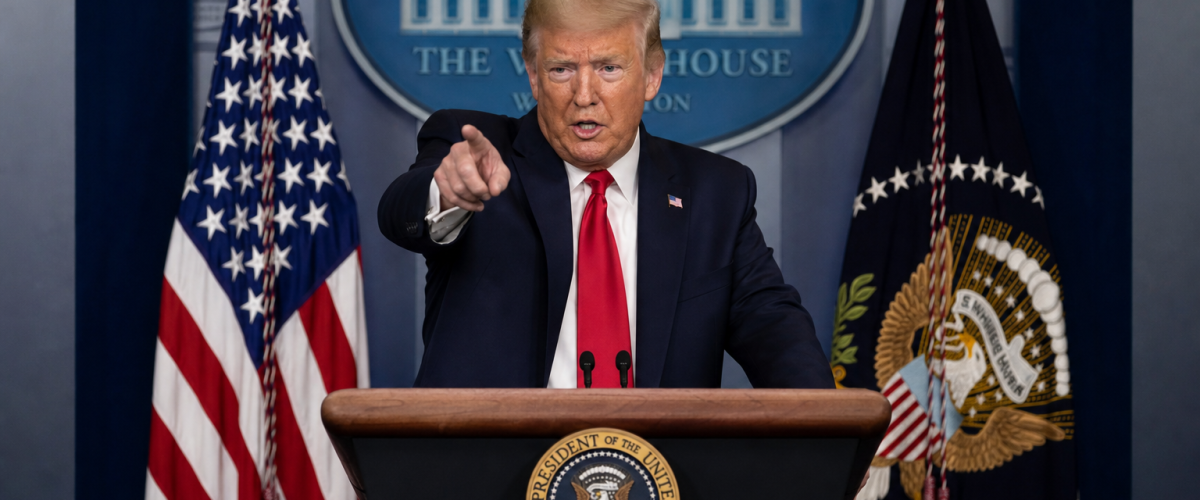
Senate Republicans voted on Wednesday to block a Democratic-backed measure that would have curtailed President Donald Trump’s authority to conduct military operations against Iran, handing the White House a clear win as American and Iranian negotiators prepare to resume technical talks in Switzerland next week.
The vote came one day after the Senate narrowly passed a separate House-approved war powers resolution — seen largely as a symbolic rebuke — that the administration argued was constitutionally invalid. Wednesday’s action effectively neutralised that measure’s political momentum, and the White House wasted no time framing the outcome as an endorsement of its diplomatic approach.
The Congressional Battle
The Democratic push to invoke the 1973 War Powers Resolution — the law establishing congressional oversight of presidential uses of military force — has been at the centre of a months-long standoff between the administration and Congress over the conduct of the Iran war that began in February 2026. The Trump administration has argued consistently that the War Powers Resolution is unconstitutional and that, in any case, the formal ceasefire reached with Iran in April means the US is no longer engaged in hostilities.
Trump’s Senate visit on Wednesday, intended to shore up Republican unity ahead of the vote, reportedly involved a heated closed-door session in which the president publicly criticised specific senators by name. The White House later downplayed the episode. “I think we had a really great meeting, and we’re very proud of the party,” Trump told reporters afterward.
Republican unity in the chamber has been under strain on several fronts. Senator Bill Cassidy, who lost his primary race to a Trump-backed challenger earlier this month, has been among those quietly distancing himself from the White House. Tensions were also reportedly running high over Trump’s last-minute decision to veto a bipartisan housing package — the 21st Century Road to Housing Act — that many Senate Republicans had viewed as an easy electoral win ahead of the midterms.
Where Diplomacy Stands
The vote takes place against the backdrop of fragile US-Iran negotiations that resumed last week in Switzerland following the signing of a memorandum of understanding by both presidents on 18 June. That framework extended the existing ceasefire for 60 days and committed both sides to negotiations on Iran’s nuclear programme, sanctions relief, and freedom of navigation through the Strait of Hormuz — a critical oil transit route that Iran effectively blocked during the conflict.
Secretary of State Marco Rubio confirmed Wednesday, during a diplomatic visit to Kuwait and Bahrain, that technical talks are expected to restart in Switzerland on 29 or 30 June. Rubio has been emphasising to Gulf allies that the US will not enter any agreement that undermines their security interests. “We’re going to be completely aligned with our partners in the Gulf,” he said.
The negotiations face significant unresolved tensions. Iran and the US have offered contradictory public accounts of what the MOU requires regarding IAEA inspections of nuclear sites. Fighting between Israel and Iranian-backed Hezbollah in Lebanon has continued to flare despite the ceasefire, and Iran temporarily closed the Strait of Hormuz again this week over ongoing hostilities in Lebanon, before alternative maritime routes through Iranian and Omani waters were confirmed passable.
A 60-day window for reaching a comprehensive agreement started when the MOU was signed. If talks fail, Trump has indicated the US would consider resuming military action against Iran — a threat that has injected urgency into the diplomatic process even as both sides continue to dispute the terms of the deal they have already signed.

- Indian Army Gets New Chief as General Dwivedi Hands Over Command Amid Push for Indigenous Defence Tech - July 1, 2026
- Ayodhya Ram Temple Donation Scandal Deepens as Trustees Resign and SIT Arrests Eight - June 29, 2026
- Bengal Seven Weeks On: Modi’s Historic Win and the Questions That Won’t Go Away - June 28, 2026