India Logs Driest June in 146 Years as Monsoon Finally Stirs Over Gujarat and UP

The India Meteorological Department confirms a 46% rainfall deficit through late June, but conditions are improving as southwest monsoon pushes into the country’s agricultural heartland.
India Logs Driest June in 146 Years as Monsoon Finally Stirs Over Gujarat and UP
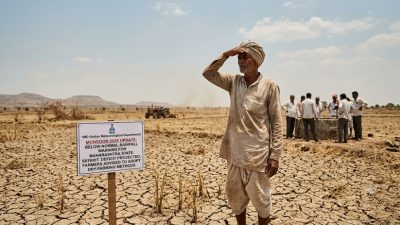
June 2026 will be remembered in Indian meteorological history — and not for welcome reasons. The country is on course to record its driest June in more than a century, with a rainfall deficit approaching levels last seen during major historical drought years, as the southwest monsoon spent most of the month stalled well short of the country’s farming core.
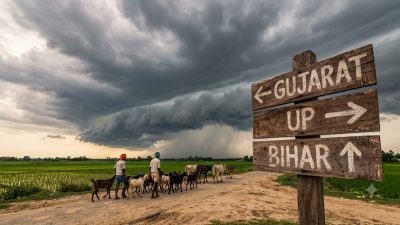
The India Meteorological Department confirmed in a 26 June press release that heavy to very heavy rainfall is expected over northeast India and Sub-Himalayan West Bengal and Sikkim this week, bringing some relief to the eastern extremities of the country. But across the vast agricultural belt that feeds India’s economy, the picture remains bleak. Conditions for the monsoon to advance further into parts of Gujarat, Madhya Pradesh, Uttar Pradesh and Uttarakhand were assessed as favourable over the next three to four days — a cautious signal at best.
The numbers behind the deficit are stark. Between 4 June and 22 June, India received just 53.1 mm of rainfall against a normal of 97.6 mm, leaving a shortfall of 46 per cent, according to IMD data. For individual states, the situation is considerably worse. Maharashtra recorded an 85 per cent shortfall; Gujarat, 84 per cent. Madhya Pradesh — which sits at the centre of the country’s monsoon core zone and produces enormous quantities of wheat, soybean and pulses — ran a 58 per cent deficit. Chhattisgarh and Jharkhand each registered deficits of 71 per cent, while Meghalaya, typically among the wettest regions on earth, came in 81 per cent below normal.
Weather experts tracking the season say the root cause was a prolonged failure of moisture transport from the Arabian Sea. Satellite imagery released by IMD on 22 June showed cloud activity concentrated over the Bay of Bengal and eastern India, while large parts of central and western India remained essentially cloud-free for days. The absence of organised monsoon systems prevented rain-bearing currents from advancing inland. In technical terms, the Arabian Sea branch of the monsoon — which ordinarily drives rainfall across western and central India — simply ran out of steam.
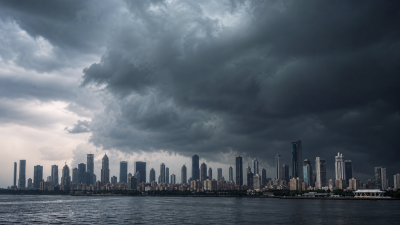
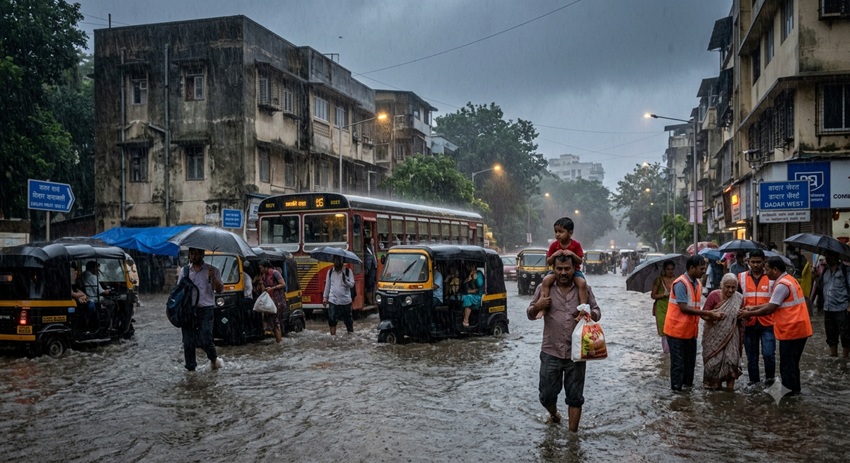
There are signs, tentative but real, that this is beginning to change. Deep-layer monsoonal moisture has been reported reaching Mumbai and adjoining regions, with moist winds also spreading into south Gujarat, including Surat. Weather maps indicate strengthening moisture transport at mid-levels of the atmosphere, suggesting the Arabian Sea branch is regaining some energy. Rainfall is expected to increase gradually over Maharashtra, Gujarat and central India in the coming days.
The economic consequences of a delayed monsoon are never isolated to the fields. Kharif sowing for paddy, pulses and sugarcane has been disrupted, depressing immediate demand for seeds and fertilisers. Tractor and two-wheeler sales in rural markets — which typically account for 40 per cent of standard motorcycle volumes — have weakened as farmers hold back spending. Analysts tracking the fast-moving consumer goods sector warn of a double squeeze: commodity costs are rising just as rural household budgets tighten.
The wider picture for the full monsoon season (June to September) is also subdued. The IMD’s updated long-range forecast projected seasonal rainfall at 90 per cent of the Long Period Average, with an 84 per cent probability of below-normal or less rainfall for the country as a whole. El Niño conditions are expected to develop during the monsoon season, compounding the uncertainty. Neutral Indian Ocean Dipole conditions are likely to persist, offering limited compensating support.
For now, agriculture ministries in deficit states are being urged to accelerate contingency crop planning, promoting shorter-duration varieties that can be sown even with delayed monsoon onset. The IMD has indicated it will continue issuing twice-weekly extended range forecasts through July. The next fortnight, as the monsoon tests its advance into the Gangetic plains, will be decisive for the kharif season and, by extension, for food inflation numbers that India’s policymakers are already watching closely.