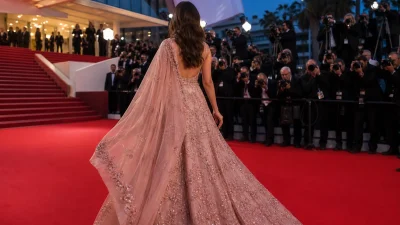
Lakme Fashion Week 2026 and India’s Designer Revolution: Regional Textiles Meet Global Ambition on the Runway

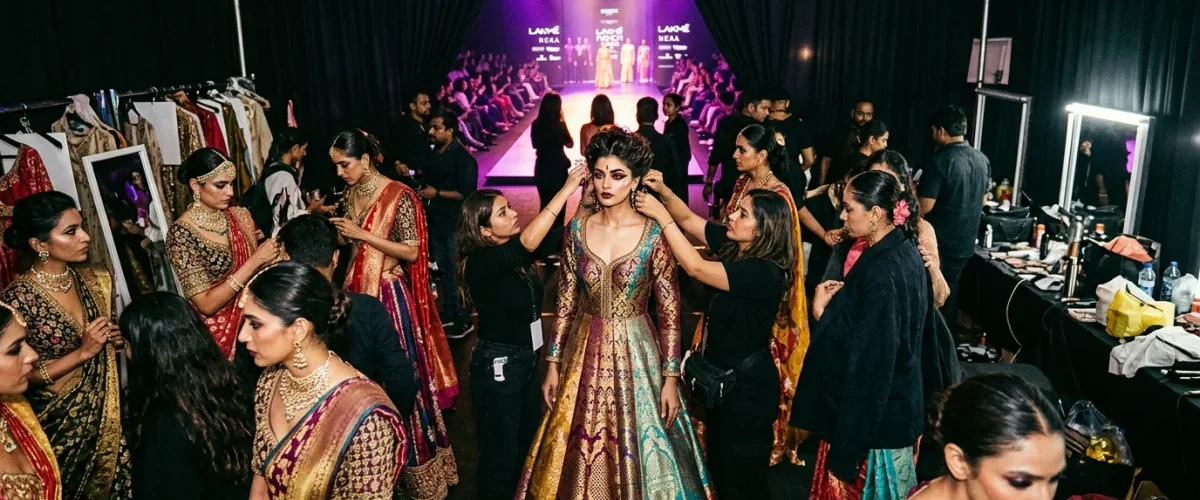
Lakme Fashion Week, India’s most prestigious fashion platform, opened its 2026 edition with a declaration of intent: Indian fashion is no longer content to exist as a regional variation of global trends but aspires to set them. The multi-day event, held at Mumbai’s Jio World Convention Centre, showcased collections by over 100 designers that collectively mapped the extraordinary breadth of Indian fashion’s current moment — from haute couture rooted in centuries-old textile traditions to streetwear inflected with urban Indian identity, from sustainable innovations that address fashion’s environmental crisis to technology-enhanced designs that glimpse the industry’s future.
Regional Textiles Take Centre Stage
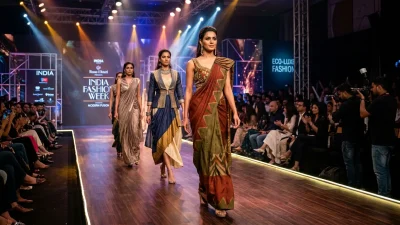
The defining narrative of Lakme Fashion Week 2026 is the elevation of India’s regional textile heritage from background material to centre-stage protagonist. Collections built around specific weaving traditions — Banarasi brocades, Chanderi silks, Pochampally ikats, Patola from Gujarat, Kanchipuram silks from Tamil Nadu — dominated the runway with a confidence that refused to treat these textiles as mere raw materials for contemporary design. Instead, designers celebrated the inherent sophistication of these traditions, creating garments that showcased the textiles’ artistry while adapting their forms for contemporary lifestyle needs.
This textile-forward approach carries significant economic implications. India’s handloom sector employs an estimated 3.5 million weavers across the country, many of whom face economic uncertainty as industrial production and synthetic fabrics erode demand for handwoven textiles. When high-profile designers champion specific weaving traditions on national platforms, they generate demand that flows through to artisan communities, supporting livelihoods and incentivising the preservation of skills that might otherwise disappear within a generation.
Sustainability as Design Philosophy
Sustainability was not a sidebar at Lakme Fashion Week 2026 — it was woven into the event’s structural DNA. The fair introduced a certification system for designers meeting specific sustainability criteria, including the use of natural or recycled materials, ethical labour practices, low-carbon production methods, and transparent supply chains. The number of certified sustainable collections more than doubled from the previous edition, reflecting both designer commitment and consumer demand for responsible fashion.
Several designers presented collections that used sustainability as a creative catalyst rather than a constraint. One collection featured garments entirely constructed from deadstock fabrics — surplus materials from the textile industry that would otherwise be discarded — demonstrating that waste can be transformed into desirable fashion without compromising design quality. Another designer showcased a zero-waste pattern-cutting technique that eliminated fabric waste entirely, producing garments whose construction is as innovative as their aesthetics.
The Gen-Z Aesthetic
Lakme Fashion Week 2026 revealed a distinctive Gen-Z aesthetic that is reshaping Indian fashion from the ground up. Younger designers — many presenting for the first time — brought sensibilities shaped by social media, global cultural consumption, and a more fluid relationship with tradition than previous generations. Their collections featured bold colour combinations, oversized silhouettes, layering techniques that mixed Indian and Western garment elements, and a casual irreverence towards fashion’s traditional hierarchies.
The Gen-Z influence extends to how fashion is consumed and promoted. Several emerging designers at the 2026 edition have built their brands entirely through social media, accumulating devoted followings on Instagram and YouTube before receiving a fashion week platform. Their presentations reflected this digital-native sensibility, designed as much for social media dissemination as for in-person viewing. This strategy mirrors the broader shift towards digital-first celebrity and brand-building seen across Indian entertainment, from Bollywood stars’ social media empires to the streaming platforms transforming how Indians consume content.
Bridal Wear: Innovation Within Tradition
Indian bridal wear — the highest-value segment of the domestic fashion market — received extensive attention at Lakme Fashion Week 2026, with multiple designers presenting collections that reimagine the contemporary Indian bride. The trend is towards lighter, more versatile bridal ensembles that can be restyled for post-wedding occasions, reflecting both changing attitudes towards conspicuous consumption and practical considerations about the value proposition of garments worn once.
Colour is another area of evolution. While red and its variations remain the dominant bridal palette, 2026 collections featured an expanded colour vocabulary — blush pinks, sage greens, icy blues, and even black — that reflects brides’ desire for personal expression beyond traditional colour codes. Jewellery choices have similarly diversified, with designers presenting collections that pair traditional bridal garments with minimalist, contemporary jewellery that departs from the ornate pieces traditionally associated with Indian weddings.
Menswear’s Coming of Age
The menswear presentations at Lakme Fashion Week 2026 reflected a category that has matured significantly in recent seasons. Designers presented collections that moved beyond the kurta-and-trouser formula that has long dominated Indian menswear, exploring unconventional silhouettes, experimental fabrics, and colour choices that challenge conservative notions of masculine dressing. The influence of South Korean fashion, Scandinavian minimalism, and Japanese textile innovation was evident in collections that synthesised global references with Indian materials and construction techniques.
Athleisure and streetwear also featured prominently in the menswear presentations, reflecting the growing importance of casual dressing in Indian fashion. Collections that blended performance fabrics with traditional Indian textiles — moisture-wicking kurtas, stretchable bandhgala jackets, sneakers crafted from handloom fabrics — addressed the practical needs of a generation that values comfort alongside style. These innovations parallel the contemporary energy seen across Indian pop culture, from Bollywood’s fashion-forward 2026 film promotions to the athleisure trend driven by cricket culture.
Technology on the Runway
Technology made its presence felt at Lakme Fashion Week 2026 in both the garments presented and the medium of presentation. Several designers incorporated wearable technology into their collections — garments with embedded LED elements, fabrics treated with temperature-responsive coatings, and accessories incorporating subtle tech functionalities. While these tech-fashion experiments remain more conceptual than commercial, they signal the industry’s awareness that the future of fashion will be increasingly shaped by technological innovation.
The presentation format itself embraced technology, with several designers opting for immersive experiences that used projection mapping, spatial audio, and augmented reality to create environments that enhanced their collections’ narratives. These production values reflect the fashion industry’s understanding that in a social media-driven landscape, the experience of a fashion presentation must be visually compelling enough to compete for attention alongside the entertainment spectacle of a Bollywood trailer or a sporting event like the IPL’s high-octane 2026 season.
India’s Fashion Future
Lakme Fashion Week 2026 paints a picture of an Indian fashion industry that is ambitious, innovative, and increasingly confident in its global relevance. The challenges remain significant — supply chain sustainability, fair wages for artisans, the environmental impact of fast fashion, and the need for greater inclusivity. But the energy, creativity, and commercial sophistication on display suggest an industry that is not merely keeping pace with global fashion but forging a distinctive path that draws strength from India’s unique position — a country where ancient textile traditions coexist with cutting-edge technology, where traditional aesthetics engage in productive dialogue with global influences, and where a vast, diverse consumer base demands fashion that speaks to their multifaceted identities.
As India’s cultural ecosystem evolves across entertainment, sport, and the arts — powered by the same creative confidence that drives innovations in India’s technology sector as showcased at the AI Summit 2026 — fashion stands as a powerful expression of a nation finding its contemporary voice while honouring its extraordinary heritage.