From Sicilian Trattorias to Nikkei Kitchens: The Most Exciting Restaurant Openings Across India in March 2026

India’s Dining Scene Enters a Bold New Chapter
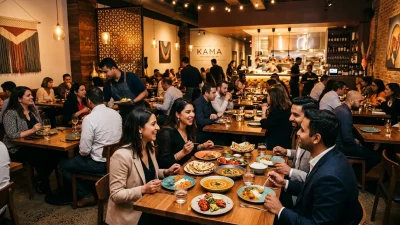
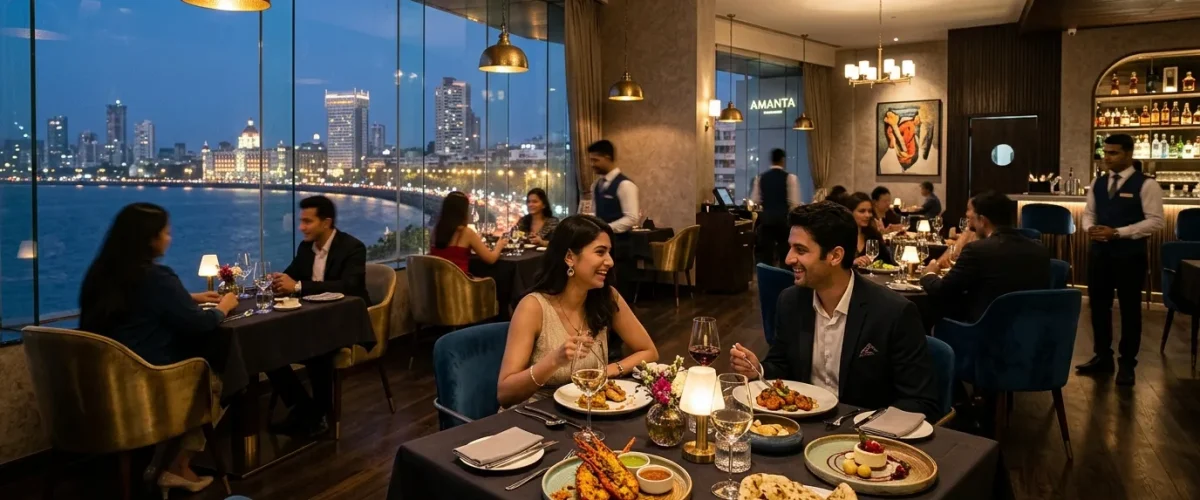
March 2026 has delivered one of the most exciting months for restaurant openings in recent Indian culinary history. From Mumbai’s relentless dining scene to Delhi’s experimental cocktail bars, Hyderabad’s Nikkei debut to Goa’s characterful neighbourhood joints, the breadth and ambition of new establishments reflects an industry that has not merely recovered from the pandemic years but has emerged more creative, more diverse, and more confident than ever before.
What unites these openings is not a single trend but a shared willingness to reject formulaic hospitality. The most talked-about new restaurants in March 2026 are defined by specificity — a nine-seat cocktail bar built around GI-tagged ingredients, a beach club channelling Peruvian-Japanese flavours, a neighbourhood beer hall serving regional drinking snacks. In India’s maturing dining culture, the generic has become the enemy, and the specific is king.
Mumbai: The City That Never Stops Eating
Mumbai leads March’s opening calendar with characteristic intensity. Siciliana, the new Southern Italian restaurant at Palladium in Lower Parel, has generated immediate buzz for its menu by chef Sabyasachi Gorai, which centres on Neapolitan pizzas fired in a custom-built wood oven, coastal Sicilian seafood preparations, and a dessert selection anchored by house-made cannoli and cassata Siciliana. The space is warm and deliberately informal — a departure from the stiff fine-dining format that has dominated Mumbai’s premium restaurant scene.
In Khar, Sweeney — co-founded by Malaika Arora — has opened as a hybrid of Thai home cooking and European comfort food, served in a garden-set space that feels more like a private home than a commercial restaurant. The menu, developed by chef Kelvin Cheung, pairs dishes such as pad kra pao with truffle fries and green curry with sourdough bread — combinations that sound incongruous on paper but work with surprising harmony on the plate.
Versova gains two significant additions. Coffee Capital, a speciality café focused on single-origin Indian Arabica sourced from estates in Coorg, Araku Valley, and Chikmagalur, is positioning itself against the Starbucks and Blue Tokai dominance with an emphasis on technique-forward brewing methods. PUBLIC Beer Hall, from the team behind Bandra’s popular Bonobo, is a no-reservations neighbourhood bar serving draught craft beer alongside regional Indian drinking snacks — think Goan choris pao, Kolkata fish fry, and Rajasthani mirchi vada.
The Bastian group’s latest venture, Bastian Beach Club at Juhu’s Sun-n-Sand Hotel, brings a sea-facing all-day dining concept with Peruvian-Japanese flavours. Tiradito, ceviche, and robata-grilled seafood headline a menu designed for extended sundowner sessions — the kind of relaxed, aspirational dining experience that Mumbai’s western suburbs have long craved.
Delhi NCR: Intimate and Inventive
Delhi’s new openings in March 2026 are characterised by intimacy and inventiveness. The Cavity in GK II is perhaps the most radical concept: a nine-seater weekend-only micro-bar offering a cocktail tasting menu built entirely around India’s GI-tagged ingredients. Each cocktail incorporates a geographically indicated product — Darjeeling tea, Mahabaleshwar strawberry, Kashmir saffron, Banaras langda mango — creating a drinks menu that doubles as a tour of India’s agricultural heritage. Reservations, unsurprisingly, are booked weeks in advance.
Second Born, a rooftop bar situated above the popular bistro Staple in Mehrauli, offers a more accessible proposition. The cocktail menu plays on the concept of “sibling ingredients” — using by-products and secondary cuts from Staple’s kitchen to create drinks that minimise waste while maximising flavour. Whey from paneer production becomes a cocktail clarifier; fruit peels from the dessert kitchen infuse house-made bitters.
Khan Market’s Number 16 offers contemporary Chinese small plates — xiao long bao, Sichuan mapo tofu, and tea-smoked duck — alongside conceptual cocktails with views over Lutyens’ Delhi. In Gurugram, Novy at HQ27 represents the most ambitious cross-cultural menu of the month: edamame momos, Kolhapuri rasam, and paella socarrat with a nimbu mutton twist coexist on a menu that somehow avoids feeling unfocused.
Hyderabad and Beyond
Hyderabad’s most significant March opening is Yuzu at the Hilton Genome Valley, a Nikkei restaurant led by chef Palden Sherpa. Nikkei cuisine — the fusion of Japanese technique with Peruvian ingredients and philosophy — has a passionate following in cities like Lima and Los Angeles but has been virtually absent from the Indian dining scene. Yuzu’s menu, spanning tiradito, robata grills, and sashimi alongside Peruvian-influenced ceviches, introduces Hyderabad’s diners to a culinary tradition that shares Indian cuisine’s own emphasis on balanced spice and acid.
Goa contributes Pincode, a restaurant by acclaimed chef Avinash Martins in Benaulim, which interprets Goan culinary traditions through a contemporary lens. The menu foregrounds local ingredients — kokum, toddy vinegar, cashew feni — in preparations that respect tradition while embracing modern technique. In Assagao, Rua Madre extends Goa’s Portuguese culinary heritage with a wine bar and tapas concept that has attracted attention from food critics across the country.
The Industry Behind the Openings
The wave of new restaurants reflects broader economic trends. India’s food services industry is projected to grow to $95 billion by 2028, driven by rising disposable incomes, urbanisation, and the cultural shift that has made dining out a lifestyle activity rather than an occasional indulgence. The explosive growth of quick commerce food delivery has not cannibalised restaurant dining — if anything, it has expanded the overall food spend by normalising the habit of paying for prepared food.
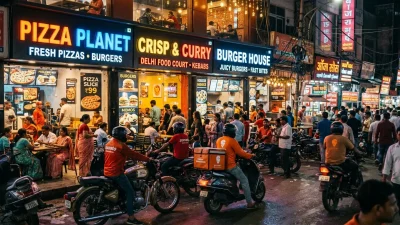
Simultaneously, India’s street food sector has moved toward premium positioning, creating a dining continuum that ranges from ₹50 chaat to ₹5,000 tasting menus. The new restaurants opening in March 2026 populate every point on this spectrum, reflecting a market mature enough to support genuine diversity of concept and price point.
What the Openings Tell Us
March 2026’s restaurant openings collectively signal that India’s dining culture has arrived at a point of genuine sophistication. The best new restaurants are not copying international trends but developing distinctly Indian propositions — using local ingredients, referencing regional traditions, and creating experiences that could exist nowhere else. For diners willing to explore, India has never offered a more exciting, more diverse, or more delicious time to eat out.

- Fentanyl Vaccine Breakthrough: Scripps Research Develops Shot That Blocks Deadly Overdoses Before They Reach the Brain - June 13, 2026
- Nipah Virus Returns to Kerala — First Case of 2026 Confirmed, State Declares High Alert - June 12, 2026
- Jill Biden Reveals She Wanted to Keep PM Modi’s 7.5-Carat Diamond Gift but Returned It After State Department Valued It at $20,000 - June 8, 2026