Holi 2026: A Culinary Journey Through India’s Most Colourful Festival Foods, From Gujiya to Thandai

When Every Colour Has a Flavour
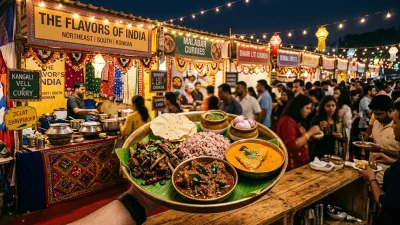
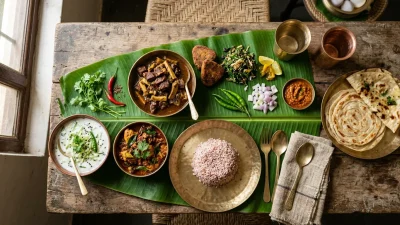
Holi 2026, celebrated across India on March 14, brought with it not just the familiar explosion of colours but a rich, regionally diverse culinary celebration that reveals the extraordinary depth of India’s festival food traditions. From the ghee-laden gujiyas of Uttar Pradesh to the coconut-rich puran poli of Maharashtra, from Rajasthan’s dahi vada to Bengal’s malpua, the foods of Holi are as varied as the country itself — each dish carrying the flavour memory of a specific place, community, and tradition.
In 2026, the culinary dimensions of Holi have gained renewed attention, driven partly by social media’s appetite for visually striking food content and partly by a broader cultural movement to document and preserve India’s regional food heritage before the homogenising forces of urbanisation and processed food erode it further.
Gujiya: The Undisputed Queen of Holi Sweets
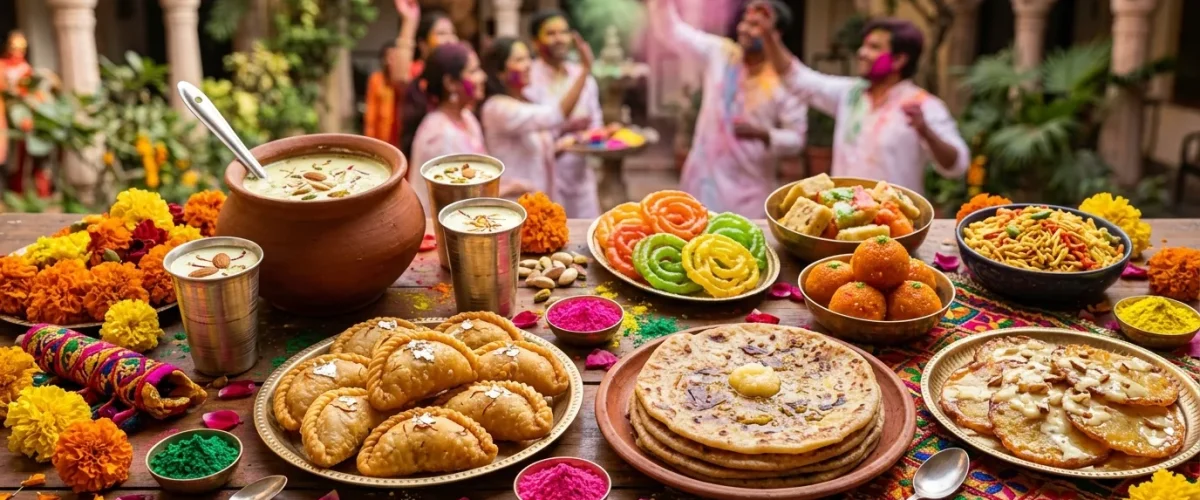
No Holi celebration in northern India is complete without gujiya — the crescent-shaped pastry filled with khoya (reduced milk solids), dry fruits, and coconut, then deep-fried until golden and optionally dipped in sugar syrup. Gujiya is to Holi what modak is to Ganesh Chaturthi: the defining sweet that marks the festival’s arrival.
In 2026, gujiya has become a canvas for culinary innovation. Traditional versions remain the gold standard in households across UP, Bihar, Madhya Pradesh, and Rajasthan, but contemporary interpretations are flourishing. Pistachio-rose gujiyas, chocolate-hazelnut gujiyas, and even savoury gujiyas filled with spiced potato and paneer have appeared on restaurant menus and Instagram feeds. Delhi’s Khan Market hosted a “Gujiya Festival” in the week leading up to Holi, with 12 participating restaurants offering their signature versions.
The art of making gujiya — crimping the edges with practised fingers, achieving the right khoya consistency, maintaining oil temperature for even frying — is a skill traditionally passed from mother to daughter. The revival of interest in traditional Indian cooking techniques and spice mastery has made gujiya-making tutorials among the most popular food content on Indian YouTube in March 2026.
Thandai: The Sacred Drink of Holi
Thandai — a chilled, spiced milk drink made with a paste of almonds, fennel seeds, rose petals, black pepper, cardamom, saffron, and poppy seeds — is Holi’s signature beverage. The drink is traditionally associated with the worship of Lord Shiva and is consumed in vast quantities during Holi celebrations, particularly in Varanasi, Mathura, and Vrindavan, where the festival reaches its most exuberant expression.
The making of authentic thandai is a time-intensive process. The nut and spice paste must be ground finely using a sil-batta (stone mortar) to achieve the smooth, creamy consistency that distinguishes home-made thandai from packaged versions. The milk must be chilled but not ice-cold, allowing the flavours of the spice paste to bloom rather than be numbed by excessive cold.
In 2026, thandai has found new expression through India’s specialty café culture. Bengaluru’s Third Wave Coffee and Mumbai’s Blue Tokai both offered limited-edition thandai lattes during the Holi season, while Delhi’s cocktail bars created thandai-inspired drinks incorporating rum, vodka, or whisky — a nod to the traditional bhang thandai that adds cannabis paste to the mix.
Regional Festival Foods: A Pan-Indian Feast
Holi’s culinary diversity extends far beyond gujiya and thandai. In Maharashtra, puran poli — a sweet flatbread stuffed with a paste of chana dal and jaggery, seasoned with cardamom and nutmeg — is the festival’s centrepiece. The dish requires patient preparation: the dal filling must be cooked until perfectly smooth, the dough must be soft enough to roll thin without tearing, and the cooking must be slow enough to develop the characteristic golden spots without burning.
Gujarat celebrates with dhokla, khandvi, and a special Holi snack called fafda-jalebi — crispy gram flour strips served with sweet, syrup-soaked jalebis. The sweet-savoury combination is quintessentially Gujarati and is consumed for breakfast on the morning of Holi before the colour-throwing begins.
In Bengal, Dol Jatra (the Bengali name for Holi) is marked by malpua — thin pancakes made from a batter of flour, fennel seeds, and mashed banana, deep-fried and soaked in saffron-scented sugar syrup. Bengali malpua differs from its North Indian variant in its thinner profile and more pronounced fennel flavour, reflecting Bengal’s distinctive approach to sweets.
Rajasthan contributes dahi vada — soft lentil dumplings soaked in spiced yoghurt and topped with tangy tamarind chutney and fresh coriander. The dish’s cooling properties make it particularly appropriate for Holi, which falls in March when temperatures in Rajasthan begin their rapid spring ascent. The growing popularity of millets in Indian cooking has inspired millet-based versions of dahi vada, using ragi or bajra flour in the dumpling batter for added nutrition.
Holi in the South: A Different Celebration
Southern India’s engagement with Holi varies by state and community, but where it is celebrated, the food traditions are distinctive. In Karnataka, Holi (known as Kamana Habba) is accompanied by holige — a sweet flatbread similar to puran poli but made with a coconut and jaggery filling. In parts of Tamil Nadu, the festival coincides with the preparation of special rice dishes and payasam — a rice pudding enriched with ghee, cashews, and raisins.
Kerala’s Holi celebrations, while more subdued than their northern counterparts, include the preparation of unniyappam — small, round, jaggery-sweetened rice cakes flavoured with cardamom and banana. These dense, flavourful snacks are traditionally cooked in a special appam pan and are associated with temple festivals and religious celebrations throughout the state.
The Business of Festival Food
Holi 2026 has also underscored the economic significance of festival food. The Indian sweet and snack industry estimates that Holi-related food sales exceeded ₹8,000 crore in 2026, encompassing everything from small-batch home producers selling through Instagram to industrial manufacturers supplying modern retail chains. The quick commerce revolution in Indian street food delivery has made Holi sweets available for rapid delivery, with platforms reporting 300 per cent order volume increases during the festival week.
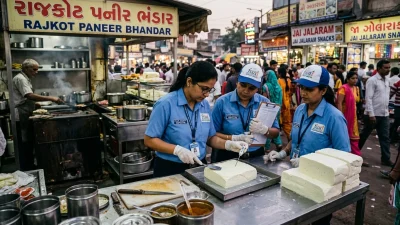
For traditional sweet shops — the halwais who have been preparing festival sweets for generations — Holi remains the second-busiest period after Diwali. Many halwais begin preparations weeks in advance, stockpiling khoya, dry fruits, and sugar, and hiring additional workers to meet the surge in demand. The economics are favourable: festival sweets command premium prices, and consumer willingness to spend on quality ingredients increases dramatically during celebrations.
More Than Just Food
Holi’s foods are not merely sustenance — they are acts of community, memory, and identity. The gujiya made with a grandmother’s recipe connects generations across time. The thandai shared among friends transforms a drink into a ritual. The puran poli prepared by a family marks the festival not just on the calendar but in the body’s own archive of taste and smell.
As India’s food culture continues its rapid evolution — embracing global influences, modern techniques, and commercial innovation — the festival foods of Holi remind us that some traditions are not preserved in museums but in kitchens, not in textbooks but in recipes whispered from one generation to the next. That they also happen to be extraordinarily delicious is, of course, not a coincidence.

- Fentanyl Vaccine Breakthrough: Scripps Research Develops Shot That Blocks Deadly Overdoses Before They Reach the Brain - June 13, 2026
- Nipah Virus Returns to Kerala — First Case of 2026 Confirmed, State Declares High Alert - June 12, 2026
- Jill Biden Reveals She Wanted to Keep PM Modi’s 7.5-Carat Diamond Gift but Returned It After State Department Valued It at $20,000 - June 8, 2026