Next-Gen Indian: How Kerala, Chettinad, and Bengali Cuisines Are Redefining Fine Dining in 2026

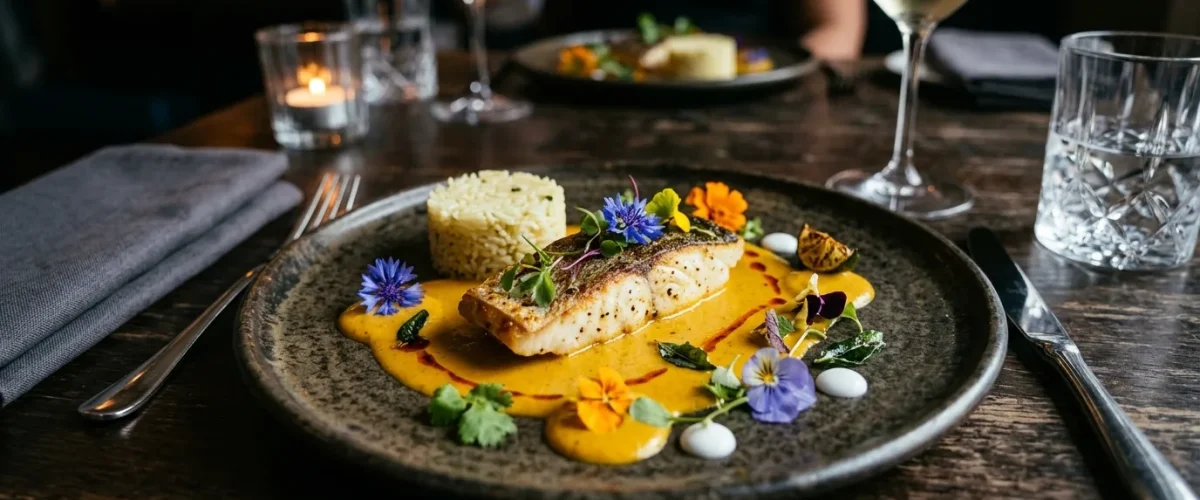
Beyond Butter Chicken: India’s Regional Cuisines Claim the Fine Dining Stage
For decades, “Indian fine dining” was synonymous with a narrow repertoire: butter chicken, dal makhani, tandoori preparations, and a rotation of North Indian dishes that represented perhaps 5 per cent of the subcontinent’s culinary diversity. In 2026, that paradigm is being comprehensively dismantled. A new generation of Indian chefs — trained in global techniques but rooted in regional food traditions — is elevating the cuisines of Kerala, Chettinad, Bengal, Rajasthan, the Northeast, and Goa to fine dining contexts, creating a movement that food critics are calling “Next-Gen Indian.”
The shift is both cultural and commercial. Indian diners have become sophisticated enough to appreciate regional specificity; international food media has developed an appetite for Indian cuisines beyond the Punjabi-Mughlai canon; and a cohort of talented chefs has emerged with the ambition and skill to prove that a Keralan fish moilee or a Bengali shukto can be as compelling on a fine dining plate as any French or Japanese preparation.
Kerala Cuisine: The Spice Coast Arrives
Kerala’s culinary tradition — built around coconut, curry leaves, black pepper, tamarind, and an extraordinary diversity of seafood — has emerged as the most dynamic force in India’s fine dining revolution. Chef Suresh Pillai’s Kappa Chakka Kandhari in Kochi, which serves traditional Kerala dishes with precise technique and premium sourcing, has become a destination restaurant that draws food travellers from across India and beyond.
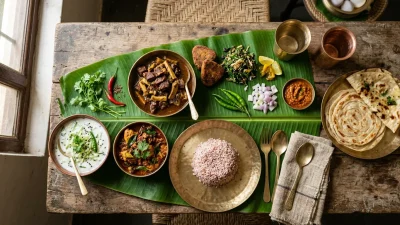
In Mumbai, Oottupura (meaning “dining hall” in Malayalam) has reimagined the Kerala sadya — the traditional vegetarian feast served on banana leaves — as a 12-course tasting menu. Each course isolates and elevates a single element of the sadya: the aviyal becomes a precisely constructed vegetable composition; the rasam is served as a consommé in fine china; the payasam appears as a deconstructed dessert with praline and gold leaf. The experience is unmistakably Keralan in flavour but contemporary in execution.
What makes Kerala cuisine particularly well-suited to fine dining is its inherent complexity. The cuisine employs techniques — tempering curry leaves in coconut oil, extracting multiple coconut milk pressings for different stages of cooking, fermenting rice batters for appams and idiyappams — that are as technically demanding as anything in the French or Japanese traditions. The global resurgence of interest in Indian spice techniques has given Kerala’s coconut-and-spice-based cooking newfound international credibility.
Chettinad: Fire and Sophistication
Chettinad cuisine, originating from the Chettinad region of Tamil Nadu, has long been recognised within India for its bold spice profiles and complex masala blends. In 2026, it is gaining international attention as chefs discover that its characteristic intensity — built from combinations of star anise, fennel, kalpasi (stone flower), marathi mokku (dried flower buds), and fresh ground black pepper — translates powerfully to the fine dining context.
Chennai’s The Bangala in Karaikudi has been a pioneer in presenting Chettinad cuisine to a national audience, and its influence is visible in the new restaurants opening across India. Delhi’s Chettinad Club, which opened in January 2026, serves a tasting menu that progresses from delicate appetisers (pepper-crusted raw fish dressed in sesame oil) through robust mains (Chettinad chicken curry with freshly ground masala) to refined desserts (jaggery panna cotta with toasted coconut).
The cuisine’s reliance on fresh-ground spice blends — prepared for each meal rather than stored — creates a vibrancy of flavour that pre-made masalas cannot replicate. This insistence on freshness aligns perfectly with the farm-to-table and scratch-cooking philosophies that define contemporary fine dining globally.
Bengali Cuisine: Subtlety as Strength
Bengali cuisine’s fine dining potential lies in its philosophical approach to flavour. Where Chettinad cuisine overwhelms with aromatic intensity, Bengali cooking seduces through subtlety — the gentle bitterness of shukto (a mixed vegetable preparation), the delicate sweetness of chingri malai curry (prawns in coconut cream), and the nuanced interplay of mustard oil, panch phoron, and fresh green chillies that defines the cuisine’s character.
Kolkata’s Sienna Café, led by chef Joy Banerjee, has been at the forefront of elevating Bengali food. Its “Bengali tasting menu” presents dishes such as hilsa fish paturi (steamed in banana leaf with mustard paste) alongside contemporary interpretations like a beetroot and mustard soup inspired by the flavour profile of shorshe ilish. The restaurant’s success has inspired similar concepts in Bengaluru, Mumbai, and Delhi.
The seasonality of Bengali cuisine — which follows a calendar of fish availability, vegetable harvests, and festival requirements — provides a natural framework for rotating menus that keep diners engaged. A Bengali fine dining menu in March 2026 features different dishes than one in October, reflecting the rhythms of the Gangetic delta’s agricultural and aquatic ecosystems.
The Northeast: India’s Final Culinary Frontier
The cuisines of India’s northeastern states — Nagaland, Manipur, Mizoram, Meghalaya, Assam, Arunachal Pradesh, Tripura, and Sikkim — represent the final great untapped reservoir of Indian culinary diversity. Characterised by fermented ingredients (axone in Nagaland, tungtap in Meghalaya), smoked meats, bamboo shoot preparations, and a philosophy of minimal oil and spice that distinguishes them sharply from mainstream Indian cooking, these cuisines are beginning to find audiences beyond the region.
Delhi’s Dzükou Tribal Kitchen, named after the famous valley on the Nagaland-Manipur border, has introduced the capital’s diners to dishes such as smoked pork with axone (fermented soybean), galho (a Naga rice porridge), and Mizo bai (a gentle boiled meat and vegetable preparation). The restaurant’s success demonstrates that metropolitan Indian diners are ready for cuisines that challenge their expectations of what “Indian food” tastes like.
The fine dining potential of northeastern cuisines lies in their uniqueness. In a world where culinary trends increasingly value fermented foods, whole-ingredient cooking, and minimal-processing philosophies, the Northeast’s food traditions align perfectly with global fine dining’s current direction. The wave of innovative restaurant openings across India in March 2026 includes several concepts that draw on northeastern ingredients and techniques.
Rajasthani and Goan Traditions Evolve
Rajasthani cuisine — shaped by desert conditions that necessitated preservation techniques and minimal water usage — is finding new appreciation in fine dining contexts. Dishes such as ker sangri (dried berries and beans cooked with yoghurt), laal maas (fiery red meat curry), and gatte ki sabzi (chickpea flour dumplings in spiced gravy) are being presented with the precision and plating that their complex preparation methods deserve.
Goan cuisine, with its Portuguese-influenced vindaloos, xacutis, and cafreal preparations, has long had fine dining representation. In 2026, the focus has shifted to lesser-known Goan dishes: ros omelette (omelette served with spiced coconut gravy), sannas (steamed rice cakes fermented with toddy), and Saraswat Brahmin vegetarian preparations that most non-Goans have never encountered.
Why This Matters
The elevation of India’s regional cuisines to fine dining is not merely a gastronomic trend — it is an act of cultural reclamation. For too long, “Indian food” in the global imagination meant a monolithic North Indian cuisine that erased the contributions of hundreds of distinct food traditions. The next-gen Indian movement restores that diversity, demonstrating that the subcontinent’s culinary heritage is as deep and varied as any on earth. The millet revolution sweeping Indian kitchens and the rise of plant-based eating across Indian households are parallel expressions of this same cultural reclamation.
When a diner in London or New York encounters a Chettinad pepper crab or a Bengali mustard hilsa at a Michelin-starred restaurant, and recognises it as the work of a specific culinary tradition rather than a generic “curry,” something important has been achieved. India’s regional cuisines have waited long enough for this recognition. In 2026, they are finally, and deservedly, receiving it.

- Fentanyl Vaccine Breakthrough: Scripps Research Develops Shot That Blocks Deadly Overdoses Before They Reach the Brain - June 13, 2026
- Nipah Virus Returns to Kerala — First Case of 2026 Confirmed, State Declares High Alert - June 12, 2026
- Jill Biden Reveals She Wanted to Keep PM Modi’s 7.5-Carat Diamond Gift but Returned It After State Department Valued It at $20,000 - June 8, 2026