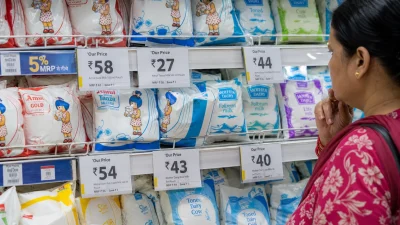
India’s Protein Obsession: From Sattu Shakes to Greek Yoghurt, How Indians Are Rewriting Their Nutrition Playbook

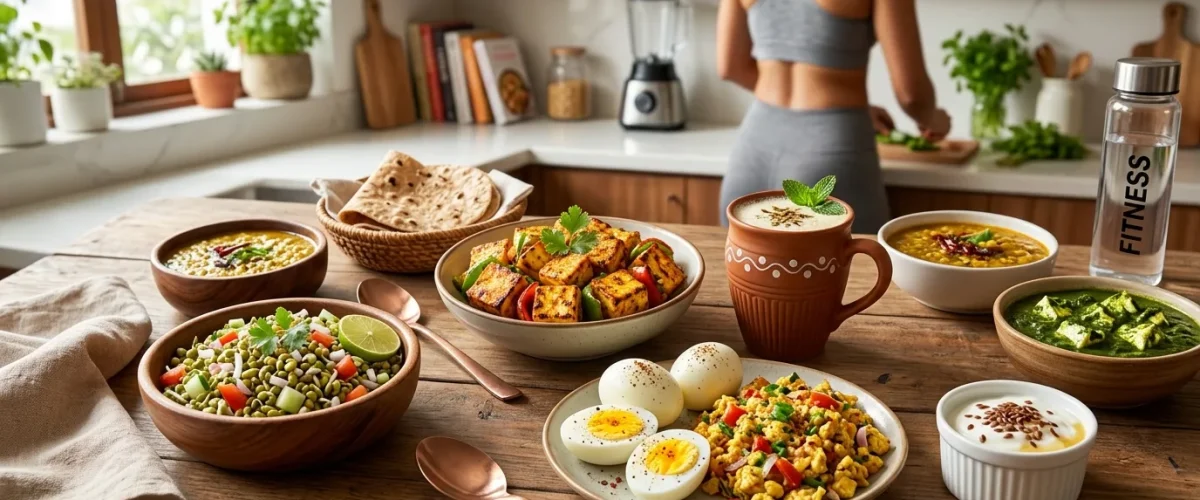
Protein Is the New Buzzword on India’s Plate
If there is one word that defines India’s nutrition conversation in 2026, it is protein. From gym-going millennials tracking their macros on fitness apps to grandmothers adding extra dal to the family meal, from startup founders launching protein-enriched snack brands to the Indian Council of Medical Research revising its dietary guidelines to emphasise protein adequacy — the country is in the midst of a protein awakening that cuts across age, income, and geography.
The scale of India’s protein deficiency problem provides context for the urgency. ICMR estimates that approximately 70 per cent of Indians consume less than the recommended dietary allowance of protein — roughly 0.8 to 1 gram per kilogram of body weight per day. This deficiency contributes to poor muscle mass, weakened immunity, delayed recovery from illness, and, in children, impaired growth and cognitive development. The protein-focused diet movement of 2026 is, in many ways, a public health course correction decades in the making.
Sattu: The Ancient Superfood Goes Mainstream
No single food item better encapsulates India’s protein revolution than sattu — roasted gram flour that has been a dietary staple in Bihar, Jharkhand, and eastern Uttar Pradesh for centuries. In 2026, sattu has transcended its regional origins to become one of India’s most celebrated health foods, embraced by fitness communities, nutritionists, and a growing number of urban consumers who are discovering what rural Bihar has always known: sattu is one of the most nutritionally complete, affordable, and versatile protein sources available.
The nutritional profile speaks for itself. One hundred grams of sattu provides approximately 20 to 25 grams of protein, 65 grams of carbohydrates (primarily complex carbs with a low glycemic index), significant quantities of iron, manganese, and magnesium, and dietary fibre that supports digestive health. At ₹80 to ₹100 per kilogram, it is a fraction of the cost of commercial protein supplements — a 30-gram serving of sattu costs approximately ₹3 compared to ₹30 to ₹50 for an equivalent serving of whey protein.
The traditional sattu drink — made by dissolving sattu in water with lemon juice, salt, cumin, and fresh mint — has been rebranded by India’s fitness influencer community as the “desi protein shake.” YouTube and Instagram are replete with recipes for sattu smoothies, sattu energy balls, sattu parathas, and even sattu pancakes. The millet cooking revolution that has swept Indian kitchens has found a natural complement in sattu, with millet-sattu combination recipes emerging as a staple of India’s health food movement.
The Greek Yoghurt Phenomenon
Greek yoghurt — strained yoghurt with a thick, creamy texture and protein content roughly double that of regular Indian dahi — has become the fastest-growing dairy category in Indian retail. Brands including Epigamia, Nestlé a+, and Amul Greek have expanded their product lines aggressively, and Greek yoghurt is now available in over 100,000 retail outlets across India and on every major quick commerce platform.
The appeal is obvious: a 200-gram serving of Greek yoghurt delivers 15 to 20 grams of protein with the familiar taste and texture of dairy that Indian consumers already love. Flavoured variants — mango, strawberry, blueberry, and a uniquely Indian mishti doi (sweet yoghurt) flavour — have broadened the product’s appeal beyond health-conscious consumers to mainstream families.
Indian entrepreneurs have taken the concept further. Bengaluru-based Coyo has launched coconut-based “Greek-style” yoghurt for the vegan and lactose-intolerant market. Mumbai’s Dahi Lab offers hung curd bowls — the traditional Indian equivalent of strained yoghurt — with protein-rich toppings such as chia seeds, hemp hearts, and roasted makhana (fox nuts). These products demonstrate that India’s protein trend is not merely importing Western products but adapting them to local tastes and dietary traditions.
Eggs: The Affordable Protein Champion
India is the world’s third-largest egg producer, and domestic egg consumption has grown by over 30 per cent in the last five years. In 2026, the National Egg Coordination Committee reports that per capita egg consumption has reached approximately 110 eggs per year — still below the global average of 150 but growing faster than any other protein category.
The egg has benefited from a deliberate rehabilitation campaign. For decades, eggs in India carried negative connotations — associated with “non-vegetarian” eating in a culture that values vegetarianism, and subject to unfounded health concerns about cholesterol. Nutrition education, bolstered by ICMR’s revised guidelines that explicitly recommend regular egg consumption, has shifted public perception. Eggs are now widely recognised as the most affordable, complete protein source available to Indian households.
The premiumisation of Indian street food has contributed to egg’s elevated status. Egg preparations — from Mumbai’s anda bhurji to Delhi’s egg roll to Chennai’s egg kothu parotta — are among the most popular items at upgraded street food vendors and chaat cafés. Premium egg brands that promise free-range, organic, or omega-3-enriched eggs have created a new market segment at price points of ₹12 to ₹18 per egg, compared to ₹6 to ₹8 for standard eggs.
Paneer and Sprouted Legumes: Traditional Power
Paneer — the fresh, unaged cheese that is India’s most popular dairy protein — has seen consumption grow by 25 per cent since 2022. The National Dairy Development Board estimates that India now produces over 4 million tonnes of paneer annually, with demand consistently outstripping supply. Paneer’s versatility — it can be grilled, fried, crumbled, or blended into smoothies — and its protein content of approximately 18 grams per 100 grams make it the default protein upgrade for vegetarian Indian meals.
Sprouted legumes represent another traditional protein source experiencing modern popularity. Sprouting moong, chana, or masoor dramatically increases protein bioavailability and creates a crunchy, fresh ingredient that works in salads, chaats, curries, and standalone snacks. Urban farmers’ markets and organic delivery services report that sprouted legumes are among their best-selling items, with demand growing at 40 per cent annually.
The Supplement Market Matures
India’s sports nutrition and protein supplement market has grown to approximately ₹8,000 crore in 2026, making it one of the fastest-growing categories in consumer health. Whey protein, once associated exclusively with bodybuilders, has found a mainstream audience among office workers, yoga practitioners, and senior citizens seeking to maintain muscle mass.
Indian brands such as MuscleBlaze, AS-IT-IS Nutrition, and Avvatar have captured significant market share from international brands by offering products tailored to Indian tastes — whey protein in malai kulfi, kesar badam, and masala chai flavours — at more accessible price points. The rise of plant-based and flexitarian diets across India has also driven growth in pea protein, soy protein, and multi-plant protein blends.
Beyond Individual Choices
India’s protein revolution has implications that extend beyond individual nutrition. The increased demand for protein-rich foods is reshaping agricultural production patterns, logistics networks, and food processing capacity. The government’s midday meal programme for school children has been revised in several states to include protein-fortified meals. Corporate cafeterias in Bengaluru, Hyderabad, and Gurugram are redesigning menus around “protein-first” principles.
The challenge ahead is ensuring that India’s protein awakening reaches beyond urban, middle-class consumers. For the millions of Indians living below the poverty line, protein deficiency is not a matter of awareness but of affordability. Solutions will require policy interventions — subsidised protein-rich foods through the public distribution system, fortification of staple foods, and support for traditional protein sources such as sattu and dal that are both affordable and nutritionally excellent.
A Nation Rebuilds Its Plate
India’s protein obsession of 2026 is, at its core, a story about a nation rebuilding its relationship with nutrition. After decades of prioritising caloric adequacy — ensuring that people had enough food — the conversation has evolved to nutritional adequacy — ensuring that people have the right food. The journey from sattu shakes in a Bihar village to Greek yoghurt bowls in a Bengaluru café spans centuries of food tradition and decades of economic development, but the destination is the same: a healthier, stronger, better-nourished India.
That this destination is being pursued through both ancient wisdom and modern innovation is, perhaps, the most characteristically Indian thing about it.

- Fentanyl Vaccine Breakthrough: Scripps Research Develops Shot That Blocks Deadly Overdoses Before They Reach the Brain - June 13, 2026
- Nipah Virus Returns to Kerala — First Case of 2026 Confirmed, State Declares High Alert - June 12, 2026
- Jill Biden Reveals She Wanted to Keep PM Modi’s 7.5-Carat Diamond Gift but Returned It After State Department Valued It at $20,000 - June 8, 2026