Summer 2026 Hill Station Guide: Shimla, Manali, Darjeeling, and Ooty Prepare for Record Season

As temperatures across the Indian plains begin their inexorable climb toward the summer peak, the country’s iconic hill stations are bracing for what tourism officials predict will be the busiest summer season on record. From Shimla’s colonial-era charm to Darjeeling’s tea-scented air, from Manali’s adventure-sport energy to Ooty’s botanical serenity, India’s elevated retreats are preparing for an influx of visitors that will test infrastructure capacity, challenge environmental management systems, and generate economic activity measured in thousands of crores.
The Summer Migration: Bigger Than Ever
The annual migration of Indian families from the scorching plains to the cool refuge of hill stations is one of the country’s most enduring travel traditions. In 2026, this migration is expected to reach unprecedented scale, driven by several converging factors: rising urban temperatures that are making summer in cities like Delhi, Mumbai, and Kolkata increasingly unbearable; growing disposable incomes among the middle class; improved road connectivity through expressway projects and highway upgrades; and the availability of flexible work arrangements that allow families to extend their hill station stays.
The Himachal Pradesh Tourism Development Corporation reports that advance bookings for the May-June period are up 42 per cent compared to 2025, with Shimla, Manali, and Dharamshala leading the demand. West Bengal’s Darjeeling and Sikkim’s Gangtok are showing similar trends, while Tamil Nadu’s Ooty and Kodaikanal have registered their highest early-season bookings in history.
Shimla: The Queen of Hills Adapts
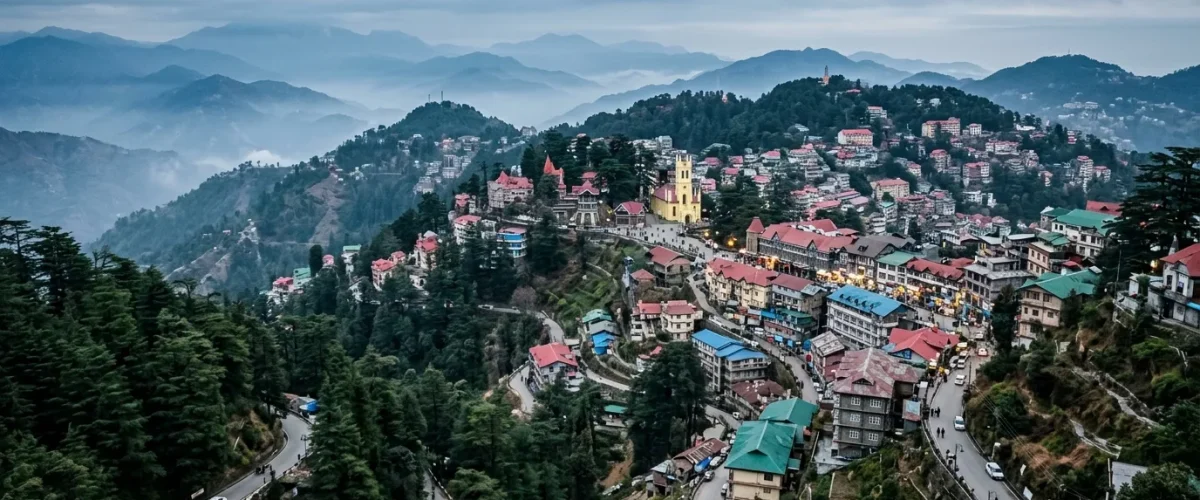
Shimla, Himachal Pradesh’s capital and the quintessential Indian hill station, is undertaking a comprehensive tourism management overhaul ahead of the 2026 season. The city, which has struggled with traffic congestion, water scarcity, and waste management during peak tourist periods, has implemented a suite of measures designed to improve the visitor experience while reducing environmental pressure.
Key initiatives include a vehicle restriction programme that limits private car access to the city centre during peak hours, with shuttle services from designated parking areas on the outskirts. A waste segregation and real-time monitoring system has been deployed across the Mall Road and Ridge area, and water harvesting infrastructure has been expanded to reduce dependence on pumped supplies during the dry summer months.
The Shimla Municipal Corporation has also invested in the restoration of heritage buildings along the Mall and the Lower Bazaar, recognising that the city’s colonial architecture is a core tourism asset that has been neglected in recent decades. Walking tours that interpret the city’s history as the summer capital of British India are being offered through the newly trained guide corps.
Manali: Adventure Capital of India
Manali continues to evolve from a traditional summer retreat into India’s premier adventure tourism hub. The Kullu-Manali corridor offers an extraordinary range of activities — from paragliding over the Solang Valley to mountain biking on the Atal Tunnel road, from white-water rafting on the Beas River to skiing at the Rohtang Pass — that attract a younger, more active demographic than the typical hill station visitor.
The Atal Tunnel, connecting Manali to the Lahaul-Spiti valley through the Rohtang Pass, has transformed the region’s tourism geography by making the otherworldly landscapes of Spiti accessible even during the summer months when the pass road is open. Day trips to Sissu, Keylong, and the Chandratal lake have become viable, significantly expanding the range of experiences available to Manali-based visitors.
The expansion of adventure tourism in Manali and across Himachal Pradesh is part of the broader mountain tourism development vision articulated in the Union Budget 2026-27, which includes the creation of ecologically sustainable mountain trails across the state.
Darjeeling: Tea, Trains, and Transformation
Darjeeling, the West Bengal hill station that gave its name to the world’s most celebrated tea, is experiencing a cultural tourism renaissance that is attracting visitors interested in more than just the famous view of Kanchenjunga. The Darjeeling Himalayan Railway — the “Toy Train” that is a UNESCO World Heritage Site — remains the iconic attraction, but the town is increasingly marketing its tea heritage, its Tibetan Buddhist culture, and its vibrant contemporary arts scene as distinct tourism draws.
The Darjeeling Tea Festival, inaugurated in 2024, has quickly established itself as a must-attend event for tea enthusiasts worldwide, featuring garden tours, cupping sessions, blending workshops, and interactions with master tea makers whose craft has been refined over generations. The festival, held in March, has helped extend the tourism season beyond the traditional May-June peak.
The restoration of the Darjeeling Himalayan Railway, which has suffered from years of deferred maintenance, is progressing with central government funding. The railway’s historical rolling stock is being conserved, and new interpretation materials are being developed that tell the story of the line’s construction in the 1880s and its role in the development of the Darjeeling tea industry.
Ooty and Kodaikanal: South India’s Cool Retreats
Ooty (Udhagamandalam) and Kodaikanal, Tamil Nadu’s premier hill stations, are preparing for their own record-breaking seasons. Ooty’s Botanical Gardens, Government Rose Garden, and the Nilgiri Mountain Railway offer a gentler pace of tourism that appeals to families and older travellers, while Kodaikanal’s lake, pine forests, and the dramatic viewpoint at Pillar Rocks attract a broader demographic.
The Tamil Nadu government has invested in upgrading road connectivity to both destinations, with particular attention to the Ghat roads whose condition has historically been a source of tourist complaints and safety concerns. New viewpoints and rest areas along the approach roads are being developed, transforming the journey itself into part of the tourism experience.
Both destinations are benefiting from the broader renaissance in South Indian tourism, where heritage tourism is drawing increasing international attention and government investment is creating new reasons to visit the region.
The Carrying Capacity Challenge
The anticipated record season brings into sharp focus the carrying capacity challenge that India’s hill stations face. These destinations were designed — by the British colonial administration and by subsequent urban planners — for resident populations and visitor numbers that are a fraction of what they now experience during peak season. Water supply, sewage treatment, solid waste management, and road infrastructure were all dimensioned for a scale of use that has long been exceeded.
Environmental scientists have warned that the continued growth of unmanaged tourism in hill station environments carries risks including landslide triggering from construction on unstable slopes, groundwater depletion, forest degradation from firewood collection and encroachment, and biodiversity loss from habitat disturbance. The challenge is to find tourism management models that sustain economic benefits while respecting ecological limits.
“The hill stations are not infinitely elastic,” cautioned Dr. Maharaj Pandit, environmental scientist at Delhi University. “They have geological, hydrological, and ecological limits that cannot be negotiated away by market demand. India needs a national hill station management policy that establishes carrying capacity limits, invests in infrastructure proportional to permitted visitor levels, and diversifies tourist traffic across a wider range of destinations.”
The Season Ahead
As India’s hill stations prepare for Summer 2026, they embody the essential tension at the heart of the country’s tourism boom: the desire for growth and the imperative of sustainability. The coming months will reveal whether the investments in infrastructure, the management innovations, and the regulatory frameworks being deployed can manage the pressure of unprecedented visitor numbers while preserving the cool, green tranquillity that has made these destinations beloved for generations.
For millions of Indian families, the summer hill station holiday remains a cherished tradition — a chance to escape the heat, reconnect with nature, and create memories that last a lifetime. The challenge for India’s tourism planners is to ensure that this tradition can endure for generations to come.