Instagram’s Great Purge: Meta Deletes Over 50 Million Bot Accounts Overnight as Celebrities Lose Millions of Followers

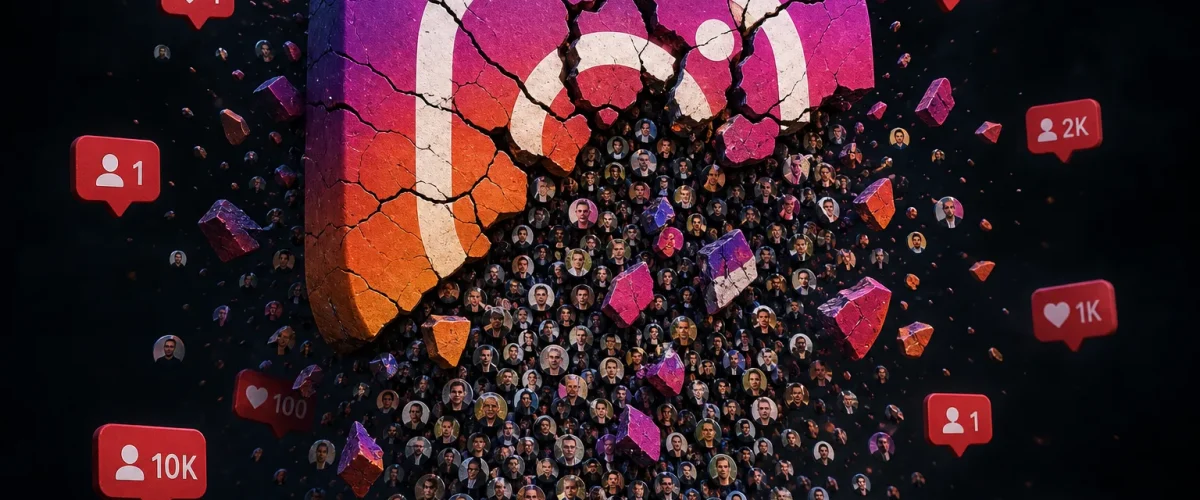
Between the night of 06 May and the early hours of 07 May 2026, Meta executed what is already being called the Great Purge — the largest single-night removal of accounts in Instagram’s 16-year history. In a six-hour window, the platform deleted millions of bot accounts, inactive profiles, and non-organic followers, causing the follower counts of the world’s most-followed accounts to plummet in real time as users watched in disbelief.
The Numbers: Celebrities Lose Millions Overnight
The scale of the purge was staggering. Public follower-count tracking services and reports confirmed by celebrity representatives documented the following losses among the platform’s most-followed accounts:
Kylie Jenner lost approximately 15 million followers, the single largest individual drop recorded. BLACKPINK’s official account saw a decline of 10 million, while Cristiano Ronaldo lost an estimated 8 million followers from his account, which remains the most-followed on the platform. BTS and Ariana Grande each lost around 7 million, Selena Gomez dropped by 6 million, and Taylor Swift’s account shed approximately 5 million followers.
Indian celebrities were not spared. Virat Kohli, Priyanka Chopra Jonas, and other high-profile Indian accounts each lost millions of followers. Smaller creators and influencers across every niche and geography reported losses of 2 to 5 per cent of their total follower count, with no prior warning, notification, or appeal mechanism provided by the platform.
What Meta Actually Did
Meta’s official response was characteristically brief. A company spokesperson described the drop as reflecting “routine removal of inactive accounts” and declined to provide specific numbers or technical details about the purge methodology. However, multiple sources within the social media analytics industry have pieced together what appears to have happened.
The purge targeted three categories of accounts: confirmed bot accounts that exhibited automated behaviour patterns, accounts that had been completely inactive for extended periods, and accounts created through third-party follower-purchasing services. Meta’s systems identified these accounts using a combination of machine learning classifiers, behavioural pattern analysis, and cross-referencing with known bot networks.
The decision to execute the purge in a single overnight window, rather than gradually over weeks, was reportedly driven by engineering considerations. A phased rollout would have allowed bot operators to reactivate or recreate accounts in response, undermining the effectiveness of the cleanup. By executing everything simultaneously, Meta ensured maximum impact before the bot ecosystem could adapt.
The Creator Economy Fallout
For the millions of creators and influencers who depend on Instagram as their primary business platform, the purge has created immediate economic consequences. Brand deals, sponsorship rates, and advertising partnerships are frequently calculated based on follower counts, and a sudden 2 to 5 per cent drop translates directly into reduced negotiating power and potential revenue loss.
Several influencer marketing agencies reported receiving panicked calls from clients on the morning of 07 May, with creators worried that brands would interpret the follower drop as evidence of previous bot-purchasing. The irony, industry analysts note, is that the purge actually validates the authenticity of remaining followers — yet the short-term perception damage may still hurt creators who never purchased fake followers in the first place.
The incident echoes broader concerns about the growing influence of AI and automation across digital platforms, where the line between organic engagement and artificial amplification has become increasingly blurred.
India’s Influencer Market Feels the Impact
India, which has one of the largest Instagram user bases in the world with over 350 million active users, felt the purge acutely. The country’s influencer marketing industry, valued at approximately Rs 3,400 crore in 2026, relies heavily on follower metrics as a primary currency for brand collaborations.
The viral nature of social media content in India means that even small fluctuations in follower counts can significantly impact an influencer’s visibility and reach. Several prominent Indian creators took to other platforms, including X and YouTube, to address their followers and explain that the drop was not a reflection of declining popularity but a platform-wide cleanup.
Marketing professionals in Mumbai and Bengaluru said the purge should prompt a fundamental rethinking of how influencer value is measured. “Follower count has always been a vanity metric. Engagement rate, audience quality, and conversion metrics are what actually matter,” said Priya Mehta, head of digital strategy at a leading Mumbai-based agency.
The Broader Platform Authenticity Problem
Instagram’s bot problem is not new. Academic research published in 2025 estimated that between 9 and 15 per cent of Instagram accounts globally were either fully automated or semi-automated, generating artificial engagement that distorts the platform’s metrics. The follower-purchasing industry, which sells thousands of followers for as little as $5, has been a persistent thorn for Meta, undermining advertiser trust and degrading the user experience.
Meta has conducted smaller purges in the past, most notably in 2014 and 2018, but the scale of the May 2026 cleanup dwarfs all previous efforts. The company has faced increasing pressure from advertisers to clean up its platforms, particularly after several high-profile investigations revealed that brands were unknowingly paying inflated rates for campaigns that reached bot audiences rather than real consumers.
No Warning, No Appeal: The Transparency Question
Perhaps the most contentious aspect of the purge is the complete absence of advance notice or post-action transparency. Creators received no warning that their follower counts would be affected, no explanation of which followers were removed, and no mechanism to dispute the changes. This has prompted questions about Meta’s obligations to the businesses and individuals who have built their livelihoods on the platform.
The incident also highlights how digital platform controversies can escalate rapidly in an environment where creators have little recourse against the companies that control their distribution and visibility.
Digital rights advocates have called on Meta to publish a detailed transparency report explaining the methodology, scope, and criteria used in the purge. They also argue that creators should have access to tools that show them which followers were removed and why, allowing them to understand the composition of their audience better.
What Happens Next
Industry observers expect the short-term disruption to settle within two to three weeks as brands and agencies recalibrate their metrics. In the longer term, the purge may accelerate a shift towards engagement-based and conversion-based pricing models in influencer marketing, reducing the industry’s dependence on raw follower counts.
For Meta, the Great Purge represents a calculated bet that short-term creator frustration will be offset by long-term improvements in platform trust and advertiser confidence. Whether that bet pays off will depend on how transparently the company communicates going forward and whether the cleanup is sustained through ongoing enforcement rather than periodic, disruptive purges.
Stay updated on digital trends at Social Trends and AI & Technology on Daily Tips.