Yo Yo Honey Singh Opens Up About Bipolar Disorder Struggle — ‘Fame Meant Nothing, I Wanted Death’ — Singer Reveals Seven Years of Isolation and Addiction

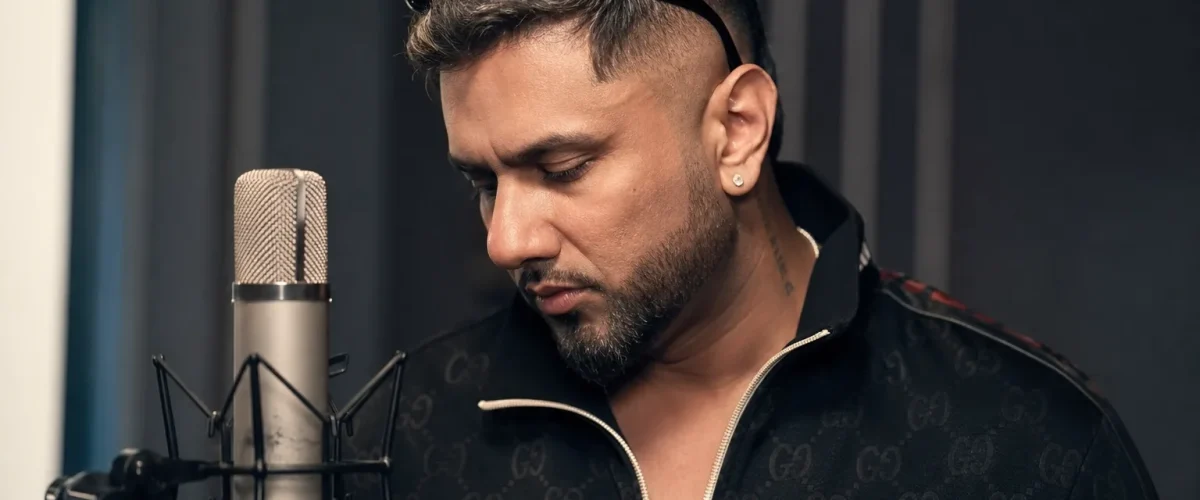
‘I Had Everything But Wanted Nothing Except to Die’ — Honey Singh’s Raw Confession
In what has become one of the most candid celebrity interviews of the year, rapper, singer and music producer Yo Yo Honey Singh has laid bare the devastating impact of bipolar disorder on his life and career, revealing in unflinching detail the years of isolation, addiction and suicidal ideation that he endured at the height of his fame. Speaking in a long-form conversation that aired on Thursday, the 43-year-old musician said fame had become meaningless during his darkest periods and that he had actively prayed for death.
“I had everything — money, fame, cars, a beautiful house, millions of fans. But none of it meant anything. There were days when I would lie in bed and pray that I wouldn’t wake up. I wanted death because living felt like being tortured every single day,” Honey Singh said, his voice breaking at several points during the interview. “People think bipolar is just mood swings. It’s not. It’s like two completely different people fighting for control of your body and your mind, and you can’t stop either of them.”
The Seven Years of Darkness
Honey Singh, whose real name is Hirdesh Singh, disappeared from the public eye around 2014-15 at the peak of his commercial success, when hits like “Lungi Dance,” “Angrezi Beat” and “Dheere Dheere” had made him the most commercially successful rapper in Indian music history. His sudden absence from the music scene spawned widespread speculation, with rumours ranging from drug addiction to a career crisis to financial troubles.
The truth, as Honey Singh revealed, was far more complex and devastating. He was diagnosed with bipolar disorder, a chronic mental health condition characterised by extreme mood swings between manic highs and depressive lows. During manic episodes, he would stay awake for days, making plans for albums and tours that he would abandon completely when the depressive phase took over. During depressive episodes, he could barely get out of bed, wouldn’t eat for days, and would refuse to see anyone — including his parents, who lived in the same house.
“For seven years, I basically lived in one room. I didn’t meet people, I didn’t make music, I didn’t go outside. My parents would leave food outside my door like I was a prisoner, and I would eat only when the hunger became unbearable. I gained weight, I lost all my fitness, I couldn’t recognise myself in the mirror,” he said.
The isolation was compounded by a severe addiction to alcohol and prescription medication that Honey Singh developed as a form of self-medication. He described a vicious cycle where alcohol would temporarily numb the pain of depression, only to deepen the depressive episode once the effects wore off. The prescription medications, initially prescribed by a psychiatrist, were increasingly consumed in quantities far exceeding the recommended dosage.
Shah Rukh Khan and Akshay Kumar’s Intervention
In a revelation that highlights the often-hidden support networks within the entertainment industry, Honey Singh disclosed that Bollywood superstars Shah Rukh Khan and Akshay Kumar personally intervened during his darkest period, urging him to seek help and warning him that substance abuse would “finish him.” He had collaborated with both actors on hit songs during his commercial peak, and their concern was genuine and persistent.
“Shah Rukh bhai called me multiple times. He said, ‘Honey, this will finish you. You have too much talent to throw it away.’ Akshay sir was the same — he would check on me, send messages, try to get me to come out of my room. But when you’re in that dark place, even the people who love you can’t reach you. Your mind has built walls that no one can break,” Honey Singh recalled.
It was eventually a combination of professional psychiatric treatment, a structured rehabilitation programme, and the persistent support of his family that allowed Honey Singh to begin his recovery. He credited his mother’s unwavering patience as the single most important factor in his survival, saying she “never gave up on me even when I had given up on myself.”
The Stigma of Mental Health in India
Honey Singh’s decision to speak openly about his bipolar disorder is particularly significant in the context of India, where mental health conditions remain heavily stigmatised and discussion of them in public life is still relatively rare. According to the National Mental Health Survey, approximately 10 per cent of India’s population suffers from some form of mental health condition, but fewer than 20 per cent of those affected receive any form of treatment due to a combination of stigma, lack of awareness and inadequate mental health infrastructure.
The musician acknowledged that his earlier silence about his condition was partly driven by fear of professional consequences. “In the music industry, if people think you’re ‘pagal’ [crazy], your career is over. No one wants to work with someone who can’t be relied upon. I was terrified that if I admitted I had bipolar disorder, all my contracts would be cancelled and no one would ever hire me again,” he said.
His openness has been welcomed by mental health professionals and advocacy organisations. Dr Samir Parikh, Director of the Department of Mental Health at Fortis Healthcare, said celebrity disclosures about mental health conditions can have a “transformative impact” on public attitudes. “When someone like Honey Singh, who is admired by millions of young people, speaks openly about bipolar disorder, it gives permission to thousands of others who are suffering in silence to seek help. It normalises the conversation in a way that no public health campaign can match,” Dr Parikh said.
The Comeback and Current Work
Honey Singh’s return to music over the past two years has been marked by a more reflective and mature artistic sensibility, in contrast to the high-energy party anthems that defined his early career. His recent work, including collaborations with younger artists and experimental ventures into genres beyond Punjabi pop, reflects both his personal growth and his desire to use his platform for more than just commercial entertainment.
He is currently working on a new album that he described as “the most personal and honest music I’ve ever made,” drawing directly on his experiences with mental illness, addiction and recovery. “I want people who are going through what I went through to hear these songs and know that they’re not alone. If my music can save even one person from the darkness I experienced, it will be worth more than all the commercial hits combined,” he said.
The singer also revealed that he maintains a strict daily routine that includes medication management, regular therapy sessions, physical exercise and limited social media use to manage his condition. He emphasised that bipolar disorder is a lifelong condition that requires ongoing management and that recovery is not a destination but a daily practice.
A Message of Hope
Honey Singh concluded the interview with a message directed at anyone struggling with mental health issues: “If you’re reading this and you’re in that dark place, I want you to know that it gets better. It doesn’t feel like it will, but it does. Please reach out to someone — a friend, a family member, a doctor, anyone. You don’t have to fight this alone.”
Mental health helplines in India include iCall (9152987821), Vandrevala Foundation (1860-2662-345), and NIMHANS helpline (080-46110007). If you or someone you know is struggling with mental health issues, please reach out to these services.
Explore more: Entertainment | Bollywood
Related Articles
- Drishyam 3 Box Office Nears Rs 200 Crore Worldwide in Just 6 Days — Mohanlal Thriller Becomes 2026’s Fastest Malayalam Film to Cross the Milestone
- Ranveer Singh Banned by FWICE Over Abrupt Don 3 Exit — Farhan Akhtar Demands Rs 45 Crore in Damages
- Siddaramaiah Steps Down as Karnataka Chief Minister — DK Shivakumar Set to Take Over as Congress Prepares for 2028 Assembly Polls