India’s GPU Market Accelerates in 2026 as Affordable Graphics Cards Finally Reach Mainstream Buyers

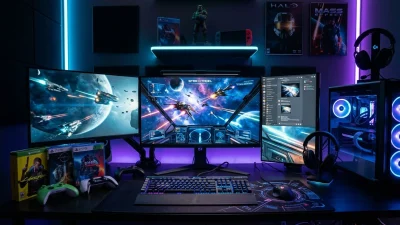
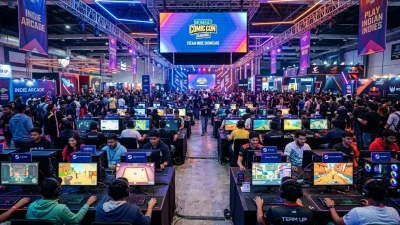
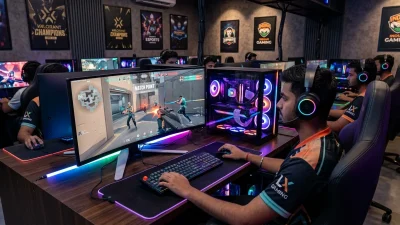
After years of inflated prices, supply shortages, and cryptocurrency-driven hoarding, India’s graphics processing unit (GPU) market is finally entering a phase of normalisation and accessibility in 2026. A combination of increased global supply, aggressive competition between NVIDIA and AMD, and the emergence of a vibrant domestic refurbished market is bringing capable gaming GPUs within reach of mainstream Indian buyers for the first time. For a market where the majority of PC gamers have historically relied on integrated graphics, this shift has the potential to fundamentally alter India’s PC gaming landscape.
The Supply Situation Stabilises
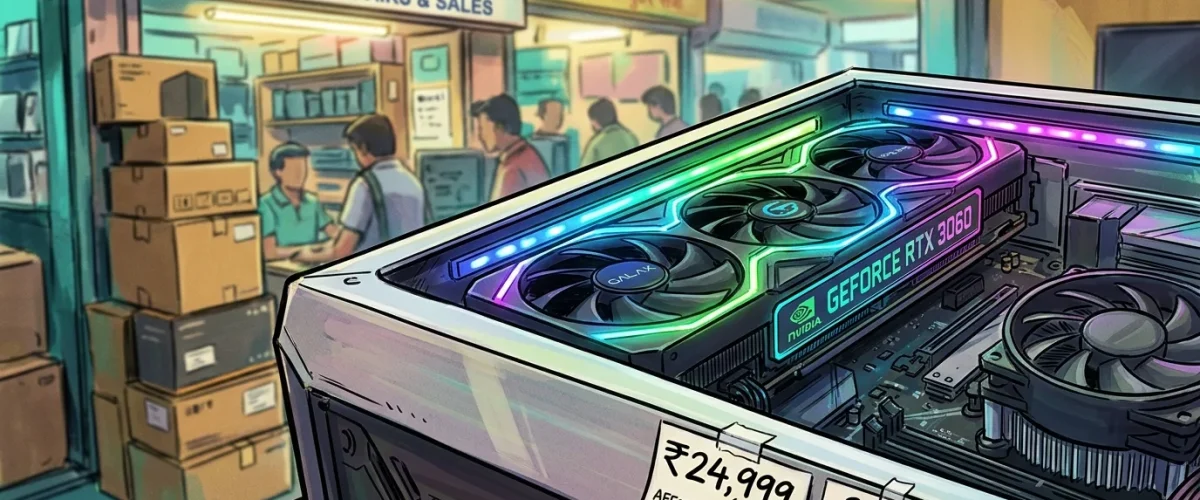
India’s GPU market endured severe disruption between 2020 and 2023, driven by a global semiconductor shortage, pandemic-fueled demand spikes, and the cryptocurrency mining boom that diverted GPU stock away from gamers. Prices for mid-range cards like the NVIDIA RTX 3060 peaked at nearly double their recommended retail price in India during 2021-2022, effectively pricing out a generation of aspiring PC gamers.
The recovery began in late 2023 and has accelerated through 2024 and 2025. By March 2026, the market has stabilised to the point where current-generation GPUs are available at or near their manufacturer-suggested retail prices (MSRP) for the first time in years. The NVIDIA RTX 5060, launched in February 2026, is available at ₹27,999 through authorised Indian retailers—a price that, while not cheap by Indian standards, represents genuine value for a card capable of 1440p gaming at high settings with ray tracing and DLSS support.
Also read: IPL 2026 Season Preview: Key Transfers, Injuries, and Franchise Strategies
Also read: AI Summit 2026: India Showcases Ambitions but Structural Gaps Exposed
AMD’s Aggressive India Play
AMD has been particularly aggressive in targeting the Indian market. The Radeon RX 9060 XT, launched in India in January 2026 at ₹24,999, offers performance comparable to the RTX 5060 at a meaningful price discount. AMD India’s Head of Consumer Graphics, Vinay Sinha, has been vocal about the company’s intent to capture market share in India by pricing products specifically for the Indian consumer rather than simply applying currency conversion to US prices.
“India is not a market where you can charge US prices and expect volume,” Sinha said at a recent AMD event in Bangalore. “We’ve worked with our channel partners to optimise distribution costs and pass those savings to consumers. The RX 9060 XT is priced to be the default choice for the Indian PC gamer.”
AMD has also expanded its partnership with Indian OEMs. Companies like Asus India, Gigabyte India, and Zebronics are now offering pre-built gaming PCs and laptops featuring AMD GPUs at price points starting from ₹45,000—a significant reduction from the ₹65,000-₹80,000 that comparable systems cost just two years ago.
Intel Arc: The Third Competitor
Adding to the competitive pressure is Intel’s Arc GPU lineup, which has entered the Indian market with the Arc B580 at ₹19,999—the most affordable dedicated gaming GPU from a major brand currently available in India. While Intel’s GPU drivers have historically been less mature than NVIDIA’s or AMD’s, the company has made significant strides in driver stability and game compatibility over the past year. For budget-conscious Indian gamers who want to move beyond integrated graphics but cannot justify ₹25,000-₹30,000 for a mid-range card, the Arc B580 represents an attractive entry point.
The Refurbished Market Boom
Alongside the new GPU market, India has seen a flourishing second-hand and refurbished GPU ecosystem. Platforms like OLX, Cashify, and dedicated gaming marketplaces like GameFlip India are seeing high volumes of previous-generation GPUs—RTX 3060s, RTX 3070s, and Radeon RX 6700 XTs—selling at 40-60 per cent of their original retail prices. Many of these cards are ex-mining GPUs that have been cleaned and tested, offering strong performance at budget-friendly prices.
According to Ken Research, India’s GPU market is projected to grow at a CAGR of 32.1 per cent through 2030, driven by demand from gaming, AI development, and content creation. The total addressable market for consumer GPUs in India is estimated at $1.8 billion by 2028, up from approximately $700 million in 2025.
Impact on India’s Gaming Ecosystem
The availability of affordable GPUs is already having a measurable impact on gaming behaviour. Steam’s hardware survey shows that the share of Indian users with dedicated GPUs has increased from 38 per cent in January 2025 to 47 per cent in February 2026. This shift is driving increased sales of AAA games on the platform—Indian spending on Steam grew 28 per cent year-on-year in Q1 2026, the highest growth rate of any major market.
Game developers are also taking notice. Several Indian studios have reported that their PC game releases are generating higher revenues from the Indian market than from mobile versions of the same titles—a reversal of the traditional pattern. The availability of capable hardware is creating a virtuous cycle: more gamers with good GPUs leads to higher demand for graphically demanding games, which in turn motivates more gamers to invest in hardware upgrades.
The Road Ahead
India’s GPU market is at a turning point. The combination of competitive pricing from three major brands (NVIDIA, AMD, and Intel), a mature refurbished market, and expanding OEM partnerships is dismantling the cost barriers that have historically limited PC gaming in India. For the 150 million Indians who play games on PCs, the message is clear: the hardware you need to play the games you want is more affordable than it has ever been. The era of integrated-graphics-only gaming in India is drawing to a close.

- India’s Startup Funding Crosses $7.2 Billion in H1 2026 - July 1, 2026
- After Ireland Shock, India’s T20I Side Faces Bigger Test - July 1, 2026
- Ireland Stun World Champions India 2-0 in Belfast, Sooryavanshi Debate Rages On - June 29, 2026