India Unveils Major Tourism Infrastructure Push in Union Budget 2026-27

India’s Union Budget 2026-27 has outlined an ambitious programme to modernise tourism infrastructure, develop heritage destinations, and strengthen digital travel services. The proposals span temple preservation, eco-tourism diplomacy, regional connectivity, and medical tourism, reflecting the government’s view of the sector as a strategic driver of economic growth and employment.
Heritage and Pilgrimage Development
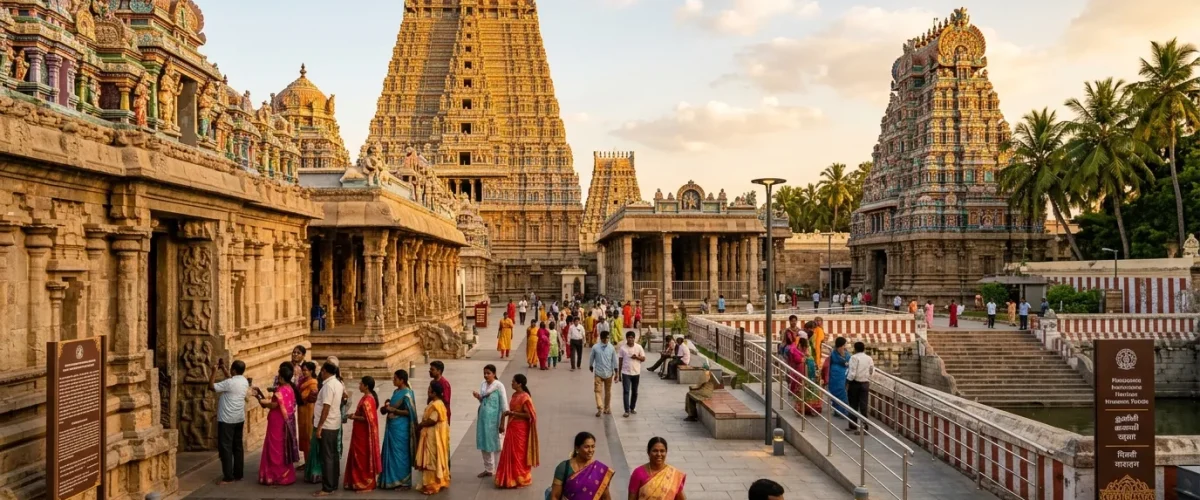
The budget allocates funds for preserving temples and monasteries and creating pilgrimage centres across the northeast states, including Arunachal Pradesh, Sikkim, Assam, Manipur, Mizoram, and Tripura. Fifteen archaeological sites, among them Lothal, Dholavira, Rakhigarhi, Adichanallur, Sarnath, Hastinapur, and Leh Palace, will be developed into immersive, experiential cultural destinations.
The initiative builds on India’s growing reputation as a heritage tourism hub. With international visitor numbers rising steadily post-pandemic, the government aims to convert historical and religious sites into world-class tourism products that can compete with comparable destinations in Southeast Asia and Europe.
Connectivity and Green Transport
Five major tourism destinations will be developed across the Purvodaya States with 4,000 e-buses allocated for connectivity. The electric bus programme addresses a long-standing gap in last-mile transport at popular tourist locations, where inadequate public transport has historically driven visitors to private vehicles, increasing congestion and environmental damage.
India’s transport infrastructure is undergoing parallel upgrades across multiple sectors. The Mumbai-Ahmedabad bullet train’s first high-speed trial run signals a future where high-speed rail could connect major tourism corridors, reducing travel times and opening up destinations that are currently difficult to reach.
Medical Tourism and Skill Development
Five regional medical hubs will be established to promote India as a destination for medical tourism services. The country already attracts an estimated 2.5 million medical tourists annually, and the new hubs aim to standardise service quality and expand capacity beyond the existing concentration in Delhi, Mumbai, and Chennai.
A National Institute of Hospitality will be established to address skill gaps in the sector, alongside a pilot programme to upskill 10,000 tourist guides at iconic destinations through partnerships with premier educational institutions. The training initiatives recognise that infrastructure investment must be matched by improvements in human capital to deliver consistently high visitor experiences.
Global Big Cat Summit
India will host the first Global Big Cat Summit, bringing together leaders and ministers from 95 countries. The event reinforces India’s position as a leader in eco-tourism diplomacy and wildlife conservation, building on the success of Project Tiger, which celebrated its 50th anniversary in 2023.
The tourism sector’s growth intersects with broader travel and lifestyle trends. Rising domestic disposable incomes, as reflected in the surge in premium housing demand, are driving demand for experiential and luxury travel within India. Meanwhile, Gen Z’s growing preference for intentional, offline experiences is reshaping how younger travellers engage with destinations.