Trump Rejects Iran Ceasefire Response as Totally Unacceptable as Tehran Demands Sanctions Lifted and Strait of Hormuz Reopened

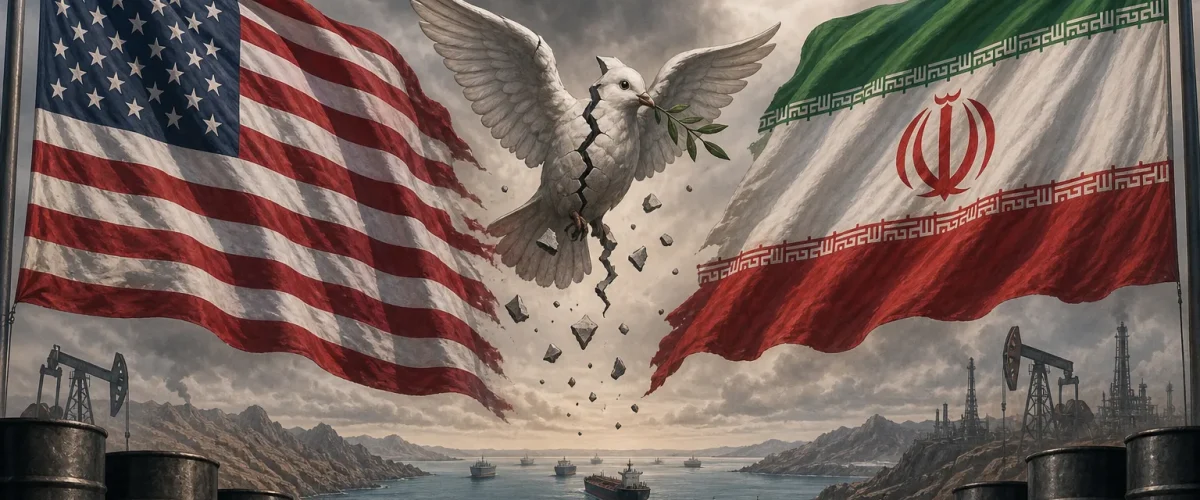
The fragile hopes for a diplomatic resolution to the three-month-old Iran-US war suffered a severe blow on Sunday when President Donald Trump rejected Tehran’s response to Washington’s latest ceasefire proposal, calling it “TOTALLY UNACCEPTABLE!” in a post on social media. The rejection came hours after Iran submitted its formal response through diplomatic channels, setting the stage for a potential escalation of hostilities in the already volatile West Asia region.
The development sent shockwaves through global markets, with crude oil prices surging past $105 per barrel on Monday morning and the diplomatic momentum that had briefly built up around possible peace talks evaporating rapidly. For India, the world’s third-largest oil importer, the collapse of negotiations poses an immediate threat to economic stability, with the rupee crashing to record lows against the dollar.
What Iran Demanded
According to Iran’s semi-official Tasnim news agency, Tehran’s response included several key demands that Washington found unacceptable. Iran insisted on an end to war on all fronts — not just a temporary ceasefire — along with the lifting of US sanctions on the sale of Iranian oil, the removal of the US blockade on Iranian ports, and the unfreezing of Iranian assets held in international banks.
Iranian Foreign Ministry spokesman Esmail Baghaei said on Monday that the United States “continued to insist on their unreasonable demands” and that Iran “did not demand concessions” but rather its “legitimate rights.” The statement reflected Tehran’s position that it was defending its sovereignty rather than making excessive requests.
The Islamic Republic of Iran Broadcasting (IRIB) further clarified that Iran’s “response given to the US remains in line with our previous positions, including readiness to continue the ceasefire in exchange for the reciprocal opening of the Strait of Hormuz and advancing negotiations focused on ending the war in the region.”
Trump’s Fiery Response
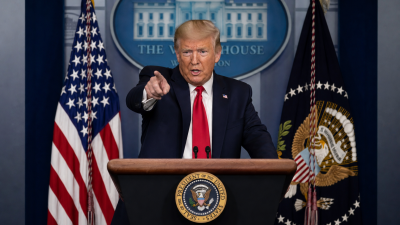
Earlier on Sunday, before formally rejecting the proposal, Trump had accused Iran of “playing games with the United States, and the rest of the World” in a separate social media post. The language marked a sharp departure from the more measured diplomatic tone that had characterized recent weeks of back-channel negotiations.
The US had been pushing for a phased approach: a temporary ceasefire first, followed by broader negotiations on sanctions, nuclear issues, and regional security. Iran, however, appears to have insisted on addressing all issues simultaneously — a position that the Trump administration views as a delaying tactic designed to buy time while Iranian forces regroup.
The involvement of China in mediating between Washington and Tehran has added another layer of complexity to the negotiations, with Beijing seeking to protect its own energy interests while positioning itself as a responsible global power.
The Strait of Hormuz: The War’s Chokepoint
At the heart of the conflict lies the Strait of Hormuz, the narrow waterway through which approximately 20 per cent of the world’s daily oil supply passes. Iran’s partial blockade of the strait, coupled with US naval operations in the area, has created a dangerous standoff that has disrupted global shipping and driven energy prices to levels not seen since the 1970s oil crisis.
The US had recently suspended its military operation in the strait, dubbed “Operation Hormuz Shield”, citing “progress in negotiations.” However, with Trump’s rejection of Iran’s response, there are growing fears that the operation could resume, potentially triggering a direct military confrontation in the waterway.
Iran’s Revolutionary Guard Corps (IRGC) has warned that it is “ready if US-Israel war resumes” and that any attempt to forcibly reopen the strait would be met with overwhelming retaliation. The IRGC has deployed anti-ship missiles, mines, and fast attack boats throughout the Persian Gulf, creating a gauntlet that any military force would need to navigate.
Global Fallout
The collapse of negotiations has immediate and far-reaching consequences for the global economy. Crude oil prices, which had briefly retreated below $100 per barrel last week on hopes of a deal, surged back above $105 on Monday. The spike affects not just oil-importing nations but also food prices, transportation costs, and inflation across the developing world.
In India, the broader geopolitical implications of the conflict are being felt across multiple sectors. The rupee crashed 139 paise to 94.90 against the US dollar, foreign portfolio investors continue to flee Indian markets, and the government has been forced to appeal for voluntary fuel conservation measures.
European nations, which have been pushing for a negotiated settlement, expressed disappointment at the breakdown. French President Emmanuel Macron called for “renewed diplomatic efforts” while German Chancellor Friedrich Merz urged both sides to “step back from the brink.” The European Union, which has been particularly affected by rising energy costs, is reportedly considering emergency measures to diversify its energy supply away from Middle Eastern oil.
US Domestic Criticism
Trump’s handling of the Iran situation is facing increasing criticism domestically. Arizona Democratic Senator Mark Kelly criticized the President on CBS for getting into the Iran war without any “strategic goal, plan or timeline in place,” adding that the US has expended and depleted munitions that would “take years to replenish.”
The criticism reflects a broader concern in Washington that the conflict has become open-ended, with no clear exit strategy. The Pentagon has reportedly warned the White House that sustained military operations in the Persian Gulf are straining resources and diverting attention from other strategic priorities, including the Pacific theatre and the ongoing Russia-Ukraine conflict.
What Happens Next
With direct US-Iran negotiations at an impasse, attention is turning to alternative diplomatic channels. Trump’s upcoming state visit to China on May 13-15, where he will meet President Xi Jinping, could provide an opportunity for indirect engagement, as Beijing maintains close ties with Tehran and has been involved in backchannel communications.
Pakistan has also emerged as an unexpected intermediary, with Iran reportedly submitting parts of its response to the US proposal through Pakistani diplomatic channels. However, the depth of mistrust between Washington and Tehran means that any resolution will require significant concessions from both sides — concessions that neither appears willing to make at this stage.
For the millions of people affected by the conflict — from oil-importing nations struggling with inflation to civilians in the war zone — Trump’s rejection of Iran’s response represents a dangerous escalation in a crisis that shows no signs of resolution.

- Indian Army Gets New Chief as General Dwivedi Hands Over Command Amid Push for Indigenous Defence Tech - July 1, 2026
- Ayodhya Ram Temple Donation Scandal Deepens as Trustees Resign and SIT Arrests Eight - June 29, 2026
- Bengal Seven Weeks On: Modi’s Historic Win and the Questions That Won’t Go Away - June 28, 2026