India Restaurant Industry Enters Transformative Phase as Global Brands Expand and Cloud Kitchens Reshape Food Delivery

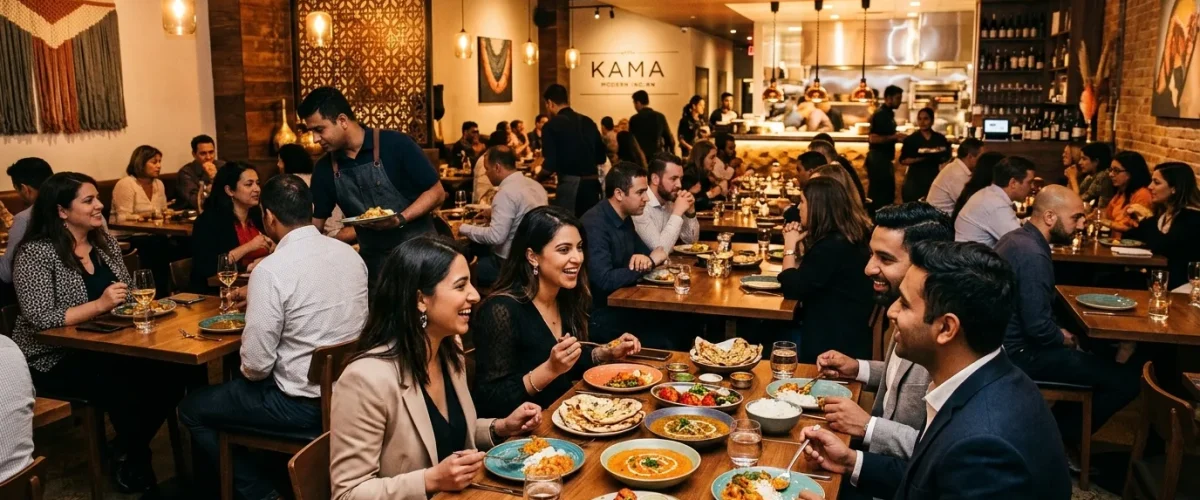
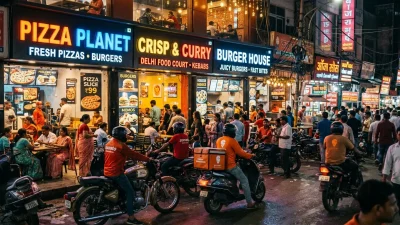
India’s restaurant industry is entering a transformative phase in 2026, with major international brands expanding into the country, domestic chains scaling rapidly, and cloud kitchens reshaping how food reaches consumers. The entry of Little Caesars into India, the appointment of new leadership at KFC India, and the aggressive expansion of homegrown brands such as Third Wave Coffee and Burger Singh signal that the sector is attracting fresh investment and talent at a pace not seen since the pre-pandemic era.
Little Caesars Marks India Entry as Global QSR Brands Bet on Growth
American pizza chain Little Caesars has officially entered the Indian market in 2026, becoming the latest global quick-service restaurant brand to target the country’s rapidly growing food services sector. The brand, known for its Hot-N-Ready pizza concept and value pricing, is positioning itself as a challenger to established players such as Domino’s, Pizza Hut, and the emerging network of artisanal pizza outlets in metro cities.
Little Caesars’ entry follows a pattern of international food brands targeting India’s urban consumers, who are increasingly willing to spend on dining out and food delivery. The Indian food industry in 2026 is witnessing an unprecedented wave of new entrants across QSR, casual dining, and specialty café segments, driven by rising disposable incomes, urbanisation, and changing food preferences among younger consumers.
KFC India Appoints Suhayl Limbada as Chief Marketing Officer
In a significant leadership move, KFC India appointed Suhayl Limbada as its new Chief Marketing Officer on 14 April 2026. Limbada brings international experience from his tenure at KFC Thailand, where he led the brand to its first-ever Cannes Lions Gold award under Yum! Brands. His appointment signals KFC India’s intent to sharpen its marketing strategy and strengthen its position in an increasingly competitive fried chicken and QSR market.
KFC operates over 1,000 outlets across India, making it one of the largest international restaurant chains in the country. The brand faces growing competition from domestic players and newer international entrants, and Limbada’s focus is expected to include digital marketing innovation, regional menu localisation, and deeper engagement with India’s Gen Z consumers, who account for a growing share of QSR spending.
Wagh Bakri and the Evolution of Indian Restaurant Leadership
The appointment of Tushar Tripathi as CEO of Wagh Bakri, following a 17-year tenure by his predecessor, highlights the ongoing professionalisation of India’s food and beverage industry. What was once a sector dominated by family-run businesses is increasingly being managed by professionally trained executives with experience in supply chain management, brand building, and technology-driven operations.
This shift is visible across the industry, from large hotel chains to regional restaurant groups. The introduction of modern management practices, data-driven decision-making, and standardised operational processes is enabling Indian food businesses to scale more efficiently while maintaining quality and consistency across locations. The broader Indian restaurant sector continues to attract both institutional investment and experienced professional talent.
Cloud Kitchens and the Delivery Economy
India’s cloud kitchen market has emerged as one of the fastest-growing segments of the food services industry. Cloud kitchens, also known as ghost kitchens, operate without dine-in facilities, preparing food exclusively for delivery through platforms such as Zomato and Swiggy. The model offers significantly lower capital expenditure compared to traditional restaurants, making it attractive for both established brands looking to expand their delivery reach and new entrepreneurs entering the food business.
Major players in the cloud kitchen space, including Rebel Foods, which operates brands such as Faasos, Behrouz Biryani, and Oven Story, have expanded to over 400 locations across India. Swiggy’s in-house cloud kitchen operations and Zomato’s Hyperpure ingredient supply business have further integrated the delivery ecosystem, creating a vertically integrated supply chain from raw materials to the consumer’s doorstep. The ongoing battle between Zomato and Swiggy for food delivery dominance continues to shape the sector’s economics and innovation trajectory.
Rising Costs Challenge Restaurant Profitability
Despite strong revenue growth, India’s restaurant industry faces mounting cost pressures. Rising LPG prices, a direct consequence of elevated global oil prices linked to the Strait of Hormuz crisis, have increased kitchen operating costs by 15 to 20 per cent for many establishments. Food ingredient costs have also risen, with vegetable oil, dairy, and protein prices all trending upward in early 2026.
Rent remains one of the largest fixed costs for dine-in restaurants, particularly in metro cities where prime commercial real estate commands premium rates. Labour costs are also increasing as the hospitality industry competes with delivery platforms, e-commerce, and gig economy jobs for workers. These combined pressures are squeezing margins and forcing restaurants to innovate in menu design, portion control, and operational efficiency to remain profitable.
The Social Media Effect on Indian Dining
Social media has fundamentally changed how Indians choose where and what to eat. Research indicates that 74 per cent of people now use social media to select restaurants, and 72 per cent research dining options online before visiting. The phenomenon of “camera eats first,” where diners photograph and share their meals before eating, has influenced restaurant design, plating aesthetics, and menu creation.
Instagram, YouTube, and increasingly short-video platforms have created a new category of food influencers whose recommendations can make or break a restaurant’s reputation. Savvy restaurateurs are designing spaces and dishes specifically for social media shareability, understanding that a viral post can drive weeks of increased footfall. The rise of regional Indian cuisine on urban menus has been partly driven by social media’s ability to generate curiosity about lesser-known culinary traditions.
Tier 2 and Tier 3 Cities Emerge as Growth Markets
While metro cities continue to account for the majority of organised restaurant revenue, the fastest growth in 2026 is coming from tier 2 and tier 3 cities. Cities such as Lucknow, Jaipur, Indore, Coimbatore, Bhubaneswar, and Nagpur are seeing rapid expansion of both national chain outlets and local restaurant brands. The expansion is driven by improving infrastructure, growing middle-class populations, and increased smartphone penetration that connects consumers to food delivery platforms.
The fine dining revolution has already reached tier 2 cities, with 12 Indian restaurants entering Asia’s 50 Best list in 2026. This recognition has elevated the profile of Indian cuisine globally and encouraged both domestic and international investment in the country’s restaurant sector.
Outlook for India’s Restaurant Industry
The National Restaurant Association of India estimates that the country’s food services market will reach $100 billion by 2028, growing at approximately 10 to 12 per cent annually. The combination of a young, urbanising population with increasing spending power, a vibrant food culture, and an enabling technology ecosystem positions India as one of the most dynamic restaurant markets in the world. The entry of new international brands, the professionalisation of management, and the growth of the delivery economy are all contributing to a sector that is rapidly modernising while retaining the diversity and creativity that define Indian cuisine. For the broader food and recipes community, these industry developments translate into more choices, greater accessibility, and an ever-expanding universe of flavours at every price point.

- Fentanyl Vaccine Breakthrough: Scripps Research Develops Shot That Blocks Deadly Overdoses Before They Reach the Brain - June 13, 2026
- Nipah Virus Returns to Kerala — First Case of 2026 Confirmed, State Declares High Alert - June 12, 2026
- Jill Biden Reveals She Wanted to Keep PM Modi’s 7.5-Carat Diamond Gift but Returned It After State Department Valued It at $20,000 - June 8, 2026