India’s Street Food Goes Viral in 2026: From 150-Item Mega Stalls to Mango Kulfi Reels and the Rise of Food Content


India’s street food culture is experiencing its most viral moment ever in 2026. From mega food stalls offering 150+ dishes under one roof to mango season content flooding Instagram Reels, street food has become India’s most shared, most watched, and most debated food category on social media. Add in delivery platform controversies, summer food safety concerns, and the country’s undying love for chaat, and you have the recipe for a cultural phenomenon that transcends food into entertainment, economics, and identity.
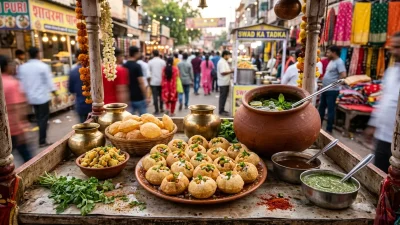
As temperatures soar across North India — the IMD has warned of heatwave conditions extending through late April — summer foods and street beverages are trending harder than ever. Kulfi, lassi, nimbu pani, aam panna, jal jeera, and sugarcane juice dominate social media feeds alongside the classic snacks that make Indian street food legendary worldwide.
The 150-Item Mega Stalls Taking India by Storm
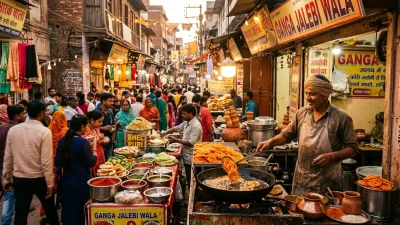
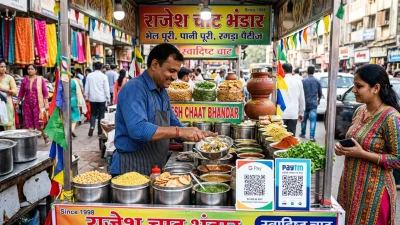
One of the most viral street food trends of 2026 has been the emergence of “mega stalls” — single-point food shops that serve an astonishing variety of dishes. Thakur Ji Chaat Point in Sector 40C, Chandigarh, went mega-viral in March 2026 with food vloggers documenting its staggering menu of over 150 items — from South Indian dosas and idlis to North Indian chole bhature, Chinese noodles, multiple varieties of chaat, and fusion dishes.
The video, uploaded by popular food vloggers and viewed millions of times, showcased the entrepreneurial spirit of India’s street food vendors. These mega stalls challenge the traditional model of specialisation — instead of perfecting one dish, they offer a food court’s worth of options from a single kitchen. For Indian families and friend groups where everyone wants something different, these stalls have become destination dining experiences.
Similar mega stalls have been documented in Delhi’s Chandni Chowk, Lucknow’s Aminabad, Mumbai’s Mohammed Ali Road, and Kolkata’s Park Street area. India’s street food scene has always been diverse, but the trend toward mega-variety outlets is something distinctly 2026.
Mango Season: India’s Most Viral Annual Food Event
April marks the beginning of India’s beloved mango season, and 2026 is no exception. Alphonso (Hapus) mangoes from Maharashtra, Dasheri from UP, Langra from Bihar, and Banganapalli from Andhra Pradesh have started arriving in markets — and social media is ablaze with mango content. From mango kulfi recipes to mango lassi tutorials, mango pickle preparation videos to debates about which variety is best, it is impossible to scroll through Indian food content without encountering the King of Fruits.
Interestingly, India’s mango industry made headlines this April when it was revealed that India exports just 1% of the mangoes it produces, consuming the vast majority domestically. This statistic went viral and sparked both pride (“We love our mangoes too much to share!”) and economic debate about the untapped export potential of India’s ₹50,000 crore mango industry. India produces over 20 million tonnes of mangoes annually — more than any other country — yet barely ships any overseas.
For food and recipe enthusiasts, mango season offers endless content: aamras recipes, raw mango chutneys, mango ice cream preparations, and the increasingly popular mango-based cocktails and mocktails that upscale restaurants and cafes now feature as seasonal specials.
The Swiggy Rider Controversy: Delivery Pay Under Scrutiny
Not all street food and food delivery news has been celebratory. In mid-April, a Swiggy delivery agent’s protest over being paid just ₹35 for a 6.22 km delivery sparked widespread outrage on social media. The incident reignited the ongoing debate about gig worker compensation, delivery platform economics, and the true cost of India’s food delivery convenience.
Platforms like Swiggy and Zomato have transformed how Indians access food — including street food — but concerns about rider welfare, restaurant commissions, and food safety from unregistered kitchens persist. As India’s restaurant industry evolves, the balance between convenience, fair pay, and food quality remains a heated discussion.
The FSSAI food labelling rules introduced in 2026 aim to address some food safety concerns, but enforcement at the street food level remains challenging. The contrast between Instagram-perfect food reels and ground-level food safety issues is one of the defining tensions of India’s food culture in 2026.
Summer Foods and Hydration Trends
With temperatures crossing 45°C in parts of Rajasthan, Delhi, and Madhya Pradesh, summer food content has surged. Street food vendors have adapted their menus to include cooling beverages and light snacks:
- Kulfi — Traditional Indian ice cream, especially malai and mango varieties, continues to dominate street corners
- Lassi and Chaas — Both sweet and salted buttermilk are staple summer refreshments
- Aam Panna — Raw mango drink rich in vitamins, widely recommended by nutritionists for heat protection
- Jal Jeera — The spiced cumin water that is both refreshing and digestive
- Sugarcane Juice — Freshly pressed at street stalls across India, often enhanced with ginger and lime
- Thandai and Sattu — Regional favourites from North India gaining national popularity through food reels
The cultural trends of 2026 extend to food as well — what people eat and how they share it online has become a major part of India’s social media identity.
The Economics of Indian Street Food
India’s street food economy is estimated at over ₹2 lakh crore annually, employing millions of vendors, helpers, and supply chain workers. The Government’s Healthy and Hygienic Food Streets (HHFS) programme, planned for 100 locations across India as part of the Eat Right movement, aims to modernise street food infrastructure while preserving its character.
For food content creators, Indian street food is the ultimate content goldmine — visually stunning, emotionally resonant, and endlessly diverse. The celebrity and entertainment world has also embraced street food culture, with Bollywood stars and cricketers regularly featuring their favourite street food spots on social media, further amplifying the trend.
As India’s street food continues to go viral, it serves as a reminder that the country’s most powerful culinary traditions are not found in Michelin-starred restaurants but on bustling street corners where chai meets chaat, and every bite tells a story.