Snack Tourism Takes India by Storm in 2026 as State Boards Promote Street Food Trails and Heritage Markets

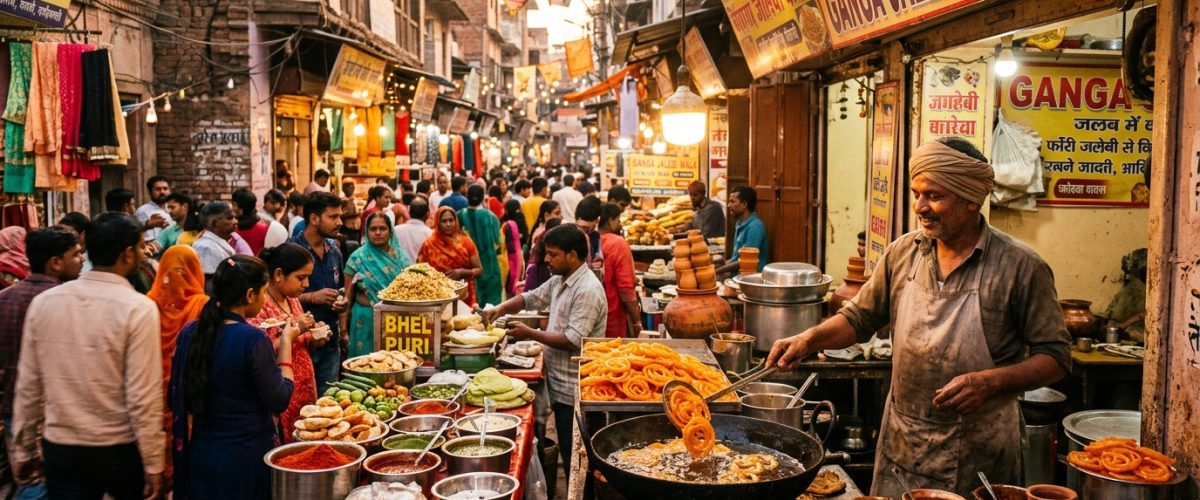
India’s street food scene is undergoing its most visible transformation in years, driven by a trend that the travel industry is calling “snack tourism.” In 2026, state tourism boards are actively promoting official food trail maps, cities are organising heritage market food walks, and a growing number of travellers — particularly younger Indians — are planning trips specifically around regional snack destinations.
From Trend to Tourism Strategy
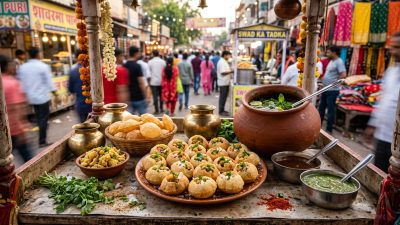
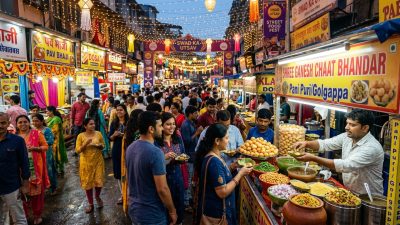
Several Indian states have formalised street food as a tourism draw. Rajasthan’s tourism board launched a “Kachori Trail” covering Jodhpur, Jaipur and Pushkar. Delhi Tourism promotes guided walks through Chandni Chowk, Paranthe Wali Gali and Nizamuddin’s kebab lanes. Kolkata’s Park Street and New Market areas now feature curated food walk circuits developed in partnership with local operators.
The shift is visible on the ground. Heritage markets that had been losing footfall to malls are experiencing renewed visitor traffic. Old bazaars in Lucknow, Ahmedabad, Varanasi and Hyderabad report that food-focused tourism is driving up weekend visits by 15 to 20 per cent compared to 2024 levels, according to local traders’ associations. The evolution aligns with food and recipe culture becoming a national conversation.
UPI, Millet and the Modern Street Stall
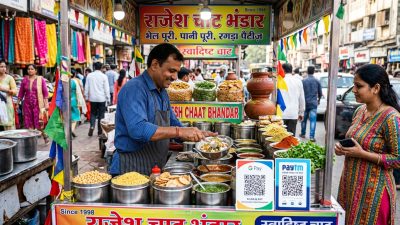
One of the most striking changes is the digitalisation of India’s informal food economy. A growing number of hawker stalls now accept UPI payments, even those operating from hand-painted boards in narrow lanes. This has made the experience more accessible to a generation of travellers who carry phones but not always cash.
The menu is evolving too. India’s millet recipe revolution has reached street stalls, with millet-based crisps, dosas and laddoos appearing alongside traditional jalebi and samosa. Specialty chai carts offering single-origin tea leaves have emerged in cities like Bengaluru, Pune and Mumbai, catering to a segment willing to pay a premium for quality at a street-level price point.
Women-Led Popups and Micro-Kitchens
A notable trend in 2026 is the rise of women-led food popups and micro-kitchens feeding into the street food scene. These operations range from home-kitchen tiffin services to weekend market stalls specialising in regional recipes. City administrations in Mumbai, Delhi and Chennai have introduced simplified licensing for small-scale food vendors, encouraging more women to enter the sector.
Hygiene standards are also improving in high-traffic food lanes. Visible filtered-water setups, stainless-steel serving ware and regular food-safety inspections are becoming more common in major cities, though the pace of change varies significantly between metro and smaller-town markets.
The Bigger Picture
India’s tourism infrastructure push in Budget 2026 allocated funds to develop 15 archaeological sites as experiential cultural destinations, several of which include historical food markets. The convergence of heritage preservation, culinary identity and tourism revenue is creating a virtuous cycle that benefits both local economies and the broader food industry.
With India’s experiential travel market expanding rapidly, snack tourism represents one of the most accessible and authentic ways to explore the country — one plate at a time.

- Snack Tourism Takes India by Storm in 2026 as State Boards Promote Street Food Trails and Heritage Markets - April 10, 2026
- AKFI and Mashal Sports Launch Elite Kabaddi Camp at Inspire Institute Ahead of Asian Games 2026 - April 10, 2026
- India Approves Rs 100 Billion State-Backed Venture Capital Fund to Supercharge Deep Tech and Manufacturing Startups - April 9, 2026