IPL 2026 Powers India’s ₹2.25 Lakh Crore Fantasy Sports Industry — Supreme Court Hearing and 28% GST Battle Continue

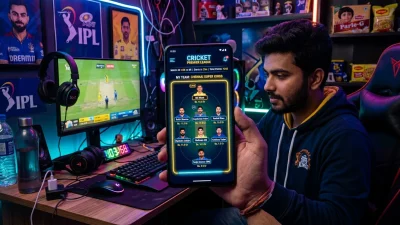
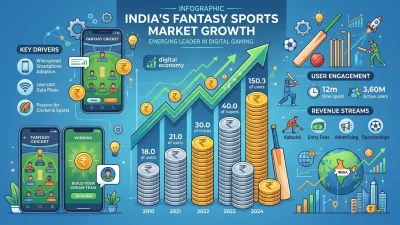
India’s fantasy sports industry has entered a pivotal phase in 2026, propelled by the white-hot engagement of the Indian Premier League (IPL) and shadowed by unresolved legal and regulatory battles. The market, valued at USD 27.02 billion (approximately ₹2.25 lakh crore) in 2025 according to IMARC Group research, is projected to grow at a staggering compound annual growth rate (CAGR) of 36.60 per cent through 2034, potentially reaching USD 557 billion. At the centre of this juggernaut sits Dream11, India’s largest fantasy sports platform, which confirmed in March 2026 that it has crossed 250 million registered users — a milestone that places it among the most widely adopted consumer apps in the country.
Yet for all its commercial momentum, the industry faces existential questions. A multi-bench Supreme Court hearing on the legal classification of fantasy sports — whether it constitutes a ‘game of skill’ or a ‘game of chance’ — has been repeatedly adjourned, with the latest hearing scheduled for April 2026. Simultaneously, the 28 per cent Goods and Services Tax (GST) on the full contest entry amount, imposed by the GST Council in 2023, continues to squeeze platform margins and fuel an intense lobbying battle between operators and the government.
IPL 2026: The Engine of Fantasy Sports Growth
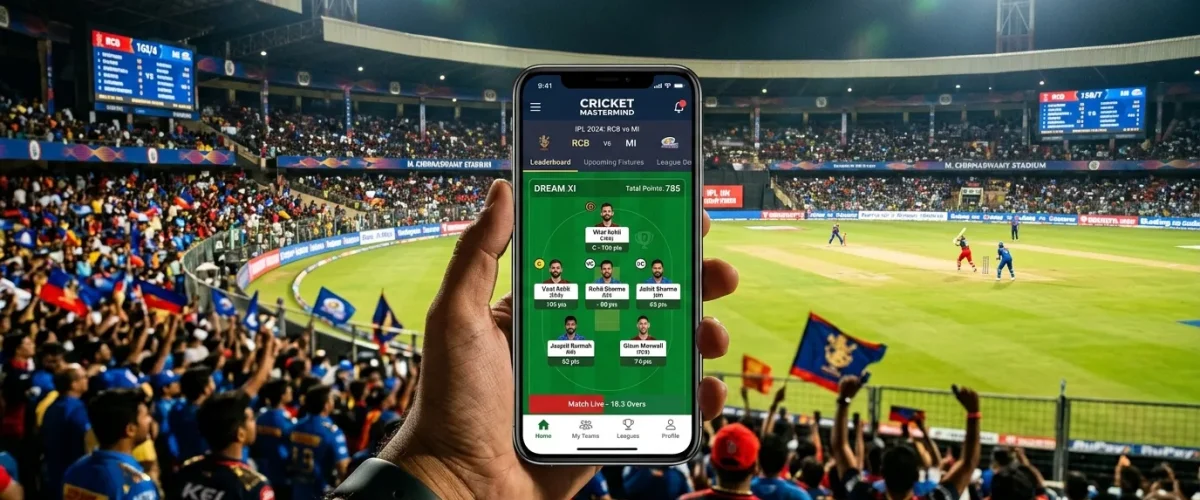
The IPL remains the single most important driver of fantasy sports engagement in India. Cricket, with its statistical richness and long match durations, is an ideal sport for fantasy gameplay — and the IPL’s combination of star power, short-form excitement, and daily matches during the season creates a near-perfect environment for fantasy platforms to acquire and retain users.
For IPL 2026, Dream11 has reportedly increased its first prize to up to ₹1 crore for select mega-contests — a move designed to attract new users and generate viral social media moments. The platform, which was valued at USD 8 billion in its last funding round (November 2021), has also expanded its offerings beyond cricket to include football, kabaddi, basketball, and other sports, though cricket remains the dominant vertical.
Other major platforms including My11Circle (owned by Play Games24x7) and MPL (Mobile Premier League) are also running aggressive IPL campaigns. The competition for user attention during the IPL window is fierce, with combined marketing spending across fantasy platforms estimated to exceed ₹2,000 crore during the tournament — making them among the largest advertisers on Indian television and digital media.
The Supreme Court Battle: Skill vs. Chance
The legal status of fantasy sports in India has been a contentious issue for over a decade. Multiple High Courts have ruled that fantasy sports constitute a ‘game of skill’ — a classification that exempts them from gambling and betting laws that fall under state jurisdiction. However, several state governments have challenged these rulings, arguing that the chance element in sports outcomes means that fantasy contests are effectively a form of gambling.
The Supreme Court took up the matter in 2025, constituting a three-judge bench to hear arguments from both sides. The hearing, which was expected to deliver a landmark ruling, has been adjourned multiple times — most recently to April 2026. The postponements have created uncertainty for the industry, as a ruling classifying fantasy sports as a ‘game of chance’ could effectively shut down the paid contest model that generates the bulk of platform revenues.
Industry body the Federation of Indian Fantasy Sports (FIFS), which counts Dream11 and other major platforms among its members, has argued that fantasy sports require research, analytical ability, and knowledge of player statistics — qualities that distinguish skill-based games from pure chance. The federation has pointed to rulings in the United States and other jurisdictions that have classified fantasy sports as skill-based.
The 28 Per Cent GST Conundrum
Adding to the industry’s regulatory challenges is the GST treatment of fantasy sports. In August 2023, the GST Council decided to levy 28 per cent GST on the full face value of contest entry amounts — the same rate applied to casinos and horse racing. Previously, fantasy platforms had been paying 18 per cent GST on their platform fees (the commission they earn), a significantly lower tax burden.
The impact has been substantial. According to industry estimates, the higher GST rate has reduced effective margins for fantasy platforms by 15 to 20 per cent, forcing several smaller operators to shut down or merge. Dream11, My11Circle, and MPL — backed by substantial venture capital — have absorbed the increased tax burden, but the long-term sustainability of the 28 per cent rate remains a subject of heated debate.
Fantasy sports operators argue that the 28 per cent full-face-value tax is disproportionate and fails to distinguish between the pool of user deposits and the platform’s revenue. The government’s position, articulated by the Finance Ministry and the GST Council, is that all online gaming involving wagering or staking should be taxed at the highest rate to ensure consistency and protect consumers.
The User Explosion: 250 Million and Counting
Despite the regulatory headwinds, the user base of Indian fantasy sports platforms has continued to grow at a remarkable pace. Dream11’s milestone of 250 million registered users, announced in March 2026, makes it one of the most widely adopted consumer applications in India — a list that also includes WhatsApp, YouTube, and Instagram.
The growth is driven by several structural factors. India’s cricket-obsessed population provides a natural audience for fantasy cricket. The proliferation of affordable smartphones and mobile internet (with 4G data costs among the lowest in the world) has removed access barriers. And the cultural normalisation of fantasy sports through IPL sponsorships and celebrity endorsements — Dream11 has featured Mahendra Singh Dhoni and other cricket stars in its advertising — has expanded the market beyond early adopters to mainstream consumers.
The IPL 2026 season is expected to push active daily users to new highs, with peak engagement typically occurring during high-profile fixtures involving teams like Chennai Super Kings, Mumbai Indians, and Royal Challengers Bengaluru.
What Lies Ahead
The fantasy sports industry in India stands at a crossroads. The Supreme Court ruling, whenever it arrives, will have a defining impact on the sector’s future. A favourable ruling affirming the ‘game of skill’ classification would provide long-term legal certainty and could trigger a new wave of investment. An adverse ruling could force a fundamental restructuring of the industry.
On the GST front, industry lobbyists are pushing for a review of the 28 per cent rate at the next GST Council meeting, arguing that the tax should be levied only on platform revenue rather than on the full contest entry amount. The outcome of this lobbying effort will significantly impact the economics of fantasy sports and, by extension, the broader Indian gaming industry.
For the 250 million-plus users who have made fantasy sports a part of their cricket-watching ritual, the legal and regulatory battles may seem remote. But their resolution will determine whether India’s fantasy sports industry continues its trajectory towards becoming one of the world’s largest digital entertainment sectors — or whether it faces a regulatory reckoning that reshapes the landscape entirely.