Six Rebel Shiv Sena (UBT) MPs Formally Join Shinde Camp, Leaving Uddhav Thackeray With Just Three Seats

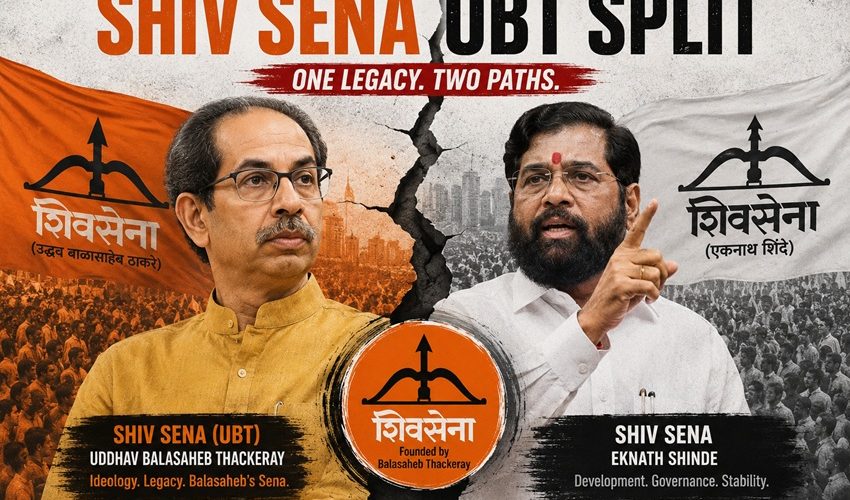
The defection, timed to coincide with Maharashtra’s monsoon legislative session, clears the two-thirds anti-defection threshold and deals a potentially decisive blow to Thackeray’s hold on the party he once led.
Six Rebel Shiv Sena (UBT) MPs Formally Join Shinde Camp, Leaving Uddhav Thackeray With Just Three Seats
Maharashtra’s political landscape shifted again last week in a manner that may prove very difficult for Uddhav Thackeray to reverse. On 22 June 2026, six rebel Lok Sabha MPs from the Shiv Sena (UBT) formally merged with the Eknath Shinde-led Shiv Sena at a joint press conference in Mumbai — a move calculated to hit the precise constitutional threshold that shields defectors from disqualification.
The six MPs who made the switch are Nagesh Patil Ashtikar, Omraje Nimbalkar, Sanjay Haribhai Jadhav, Sanjay Dina Patil, Bhausaheb Rajaram Wakchaure, and Sanjay Uttamrao Deshmukh. Together, they represent a two-thirds majority of the UBT’s original nine-member parliamentary group — exactly the proportion required under India’s Tenth Schedule to bypass the anti-defection law. By meeting that threshold, the group can legally claim recognition as a separate faction or formally merge with another party without facing disqualification from their seats.
The immediate arithmetic is brutal for Thackeray. His party’s Lok Sabha representation has been reduced from nine seats to three. The parliamentary group he controlled heading into this year is, to all practical effect, gone.
The defection did not come without warning. Six of the nine UBT MPs had skipped the party’s parliamentary meeting in Delhi as early as 17 June. By the following Sunday, two of the group — Ashtikar and Nimbalkar — had publicly confirmed their intention to leave. Ashtikar stated that criticism directed at the rebel MPs after 18 June, rather than any personal grievance against Thackeray or party spokesperson Sanjay Raut, had sealed his decision. Nimbalkar confirmed his own departure after efforts by UBT legislators Kailas Patil and Varun Sardesai — who visited his Pune residence to convey Thackeray’s personal appeal — failed to change his mind.
Maharashtra Chief Minister Devendra Fadnavis acknowledged the outcome publicly, calling “Operation Tiger” — the name applied to the consolidation effort — a success and attributing Shinde’s gains to growing confidence in the ruling alliance. Eknath Shinde himself struck a combative note, describing the development as the “second stage of Shiv Sena expansion” and drawing a direct line back to the 2022 rebellion that first split the party.
Thackeray, speaking to workers in Bhandup, rejected any suggestion that the defections reflected his political irrelevance. He insisted that he continued to lead the original Shiv Sena, the only one, he argued, that can trace a genuine lineage to its founder Bal Thackeray. He accused the BJP of engineering the rebellion — a reference to Union Home Minister Amit Shah’s remark that there was now only one Shiv Sena — and warned against what he called external interference in his party’s affairs. He notably apologised to voters for candidate selection decisions during the 2024 Lok Sabha polls, a rare public admission signalling he is already looking toward the next electoral cycle.
The defection coincided with the opening day of the Maharashtra Legislature’s monsoon session, a timing widely seen as deliberate. The UBT had called its own MLA and MLC meeting at 2:30 pm on the same day at party headquarters in Nariman Point, in a visible attempt to reassure its state-level legislators and prevent a second wave of exits.
For Thackeray, the path forward narrows considerably. With only three Lok Sabha MPs remaining, the UBT will struggle to maintain recognition as a formal parliamentary group, which typically requires at least ten seats. The party retains a larger presence in the Maharashtra state assembly, but the Lok Sabha erosion weakens its national standing and its claim to resources, speaking time and official recognition at the federal level. Political observers in Mumbai expect the Shinde camp to now push for an accelerated resolution of the various pending legal cases before the Speaker of the Lok Sabha regarding member recognition.

- Indian Army Gets New Chief as General Dwivedi Hands Over Command Amid Push for Indigenous Defence Tech - July 1, 2026
- Ayodhya Ram Temple Donation Scandal Deepens as Trustees Resign and SIT Arrests Eight - June 29, 2026
- Bengal Seven Weeks On: Modi’s Historic Win and the Questions That Won’t Go Away - June 28, 2026