India Telecom Shake-Up: TRAI Uniform Pricing Order and BSNL 4G Push Reshape the Market in 2026

The Telecom Regulatory Authority of India has ordered Reliance Jio to end discriminatory tariff plans and implement uniform pricing across all circles by 14 April 2026, a directive that could reshape how India’s 1.2 billion mobile subscribers are charged. The order arrives as BSNL accelerates its delayed 4G rollout and private operators push deeper into 5G territory.
TRAI’s Uniform Pricing Directive
TRAI’s order, issued in late March, targets pricing disparities where Jio offered different tariff rates in different telecom circles for identical services. The regulator found that such practices created “unfair market conditions” and disadvantaged subscribers in smaller cities who often paid more per gigabyte than users in metro areas.
TRAI’s order to Jio on uniform pricing marks the most significant regulatory intervention in India’s telecom sector since the adjusted gross revenue ruling. Jio has not publicly responded to the directive but is expected to revise its tariff structure before the 14 April deadline.
India’s Telecom Market by the Numbers
India’s telecom industry continues to operate at massive scale. As of October 2025, the country had 999.81 million broadband subscribers. Reliance Jio leads with 508.34 million broadband users, followed by Bharti Airtel at 312.53 million and Vodafone Idea at 127.22 million.
Total wireless subscribers exceeded 1.16 billion. Private operators hold 92 per cent of the wireless market, while BSNL and MTNL together account for just under 8 per cent. The dominance of private players has fuelled industry concerns about competitive balance, particularly as BSNL struggles to launch competitive 4G services.
BSNL’s 4G Rollout Gains Momentum
Bharat Sanchar Nigam Limited’s long-delayed 4G network, built on indigenous technology from TCS-led consortium C-DoT, is ramping up installations across India. The government-backed operator now covers over 40,000 sites with 4G equipment and aims to reach 100,000 by December 2026.
Industry unions have argued that BSNL’s inability to launch 4G and 5G services allowed Jio and Airtel to raise tariffs unchecked. The BSNL Employees Union wrote to Telecom Minister Jyotiraditya Scindia in 2024 warning that “BSNL has become handicapped from competing with private operators,” a message that remains relevant as tariff revision discussions continue.
5G Coverage Expands Beyond Metros
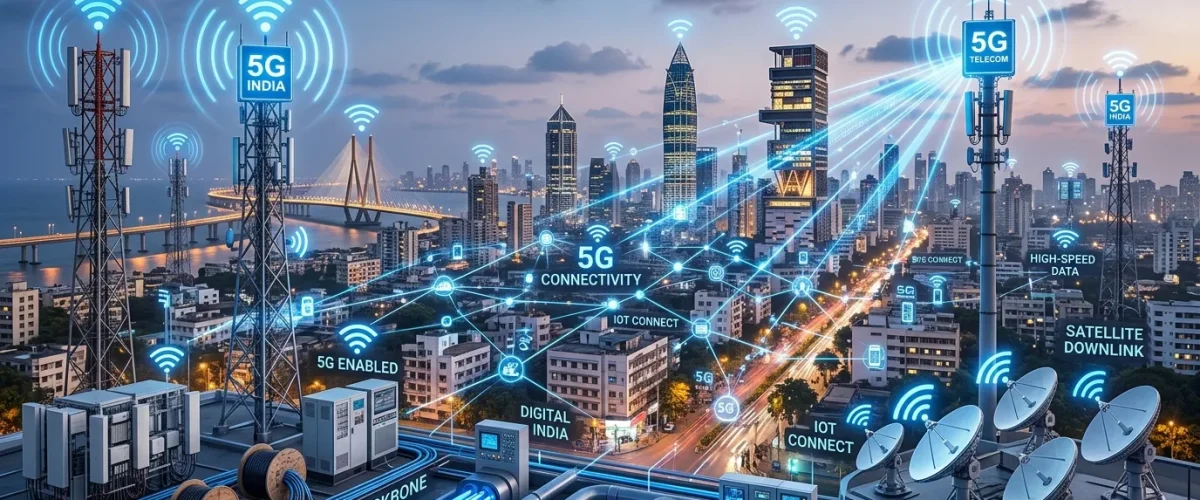
India’s 5G rollout, which began in late 2022, now covers all major cities and is expanding into tier-2 and tier-3 towns. Both Jio and Airtel have deployed 5G across more than 10,000 towns, with a combined investment exceeding Rs 2 lakh crore since launch.
The Cellular Operators Association of India has sought fiscal relief in the Union Budget 2026-27, proposing a reduction in licence fees from 3 per cent of AGR to 0.5-1 per cent. Operators argue that heavy regulatory levies constrain their ability to fund network expansion. The industry also seeks GST reforms and suspension of Digital Bharat Nidhi contributions.
What Comes Next
The combination of regulatory intervention, BSNL’s revival and 5G expansion is creating a pivotal moment for Indian telecom. Consumers stand to benefit from more uniform pricing, while the technology sector watches closely to see whether regulatory pressure drives innovation or constrains investment in network infrastructure.