Delhi Metro to Run 24 Extra Trips Every Monday Starting May 18 After PM Modi Appeals to Citizens to Save Fuel Amid West Asia Oil Crisis

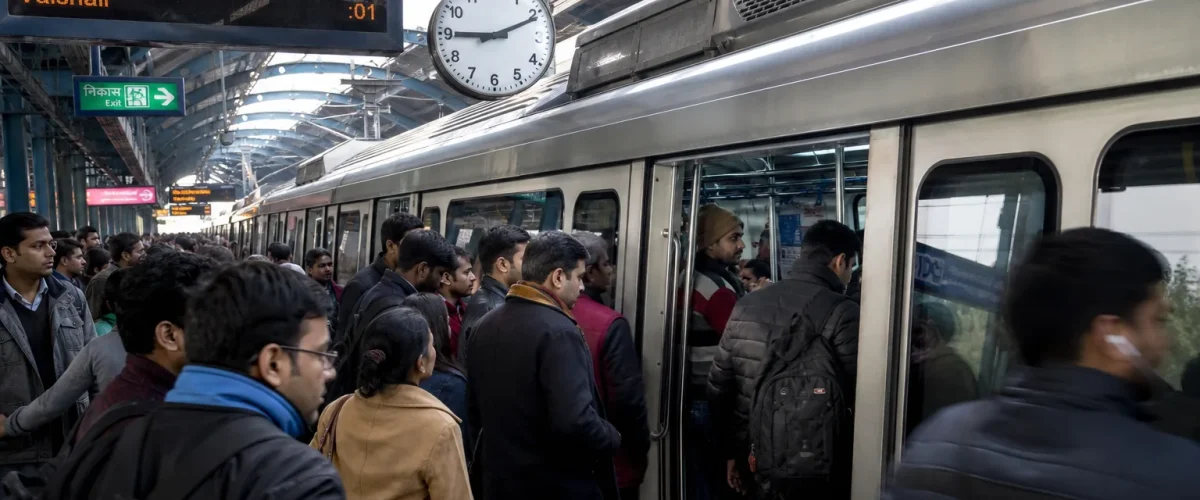
The Delhi Metro Rail Corporation (DMRC) has announced that it will operate 24 additional train trips using six extra trains every Monday starting from May 18, 2026, as part of a broader push to encourage citizens to shift from private vehicles to public transport amid the ongoing West Asia oil crisis. The decision comes in direct response to Prime Minister Narendra Modi’s recent appeal to the nation to conserve fuel and reduce private vehicle usage as international oil prices continue to surge past $110 per barrel.
What DMRC Has Announced
In an official statement released on Saturday, DMRC said it would introduce 24 additional train trips from six additional trains every Monday and on other days as required. The extra services will be deployed across the busiest corridors of the Delhi Metro network, including the Blue Line (Dwarka–Vaishali/Noida Electronic City), Yellow Line (Samaypur Badli–HUDA City Centre), and the Red Line (Rithala–Shaheed Sthal New Bus Adda).
“This capacity expansion aims to ensure uninterrupted service and efficient passenger management during increased passenger journeys,” DMRC said in the statement. “DMRC will be closely monitoring any surge in demand to take any action required to meet the demand.”
The additional services are expected to increase Delhi Metro’s daily ridership capacity by approximately 50,000 passengers on Mondays, when commuter traffic is typically at its weekly peak. DMRC currently operates over 5,000 trips daily across its 286-station network spanning 393 kilometres, carrying an average of 62 lakh (6.2 million) passengers per day.
PM Modi’s Fuel Conservation Appeal
The DMRC’s decision is a direct response to Prime Minister Modi’s recent call to the nation to adopt measures to reduce fuel consumption. In a nationally televised address earlier this month, Modi urged citizens to work from home where possible, use public transport, carpool, and avoid unnecessary travel by private vehicles. The PM also asked companies to implement flexible work arrangements and stagger office timings to reduce peak-hour congestion and fuel demand.
“Every litre of fuel we save strengthens our nation’s economy and security. I urge every citizen to make a conscious effort to reduce their dependence on private vehicles. Use the Metro, use buses, walk short distances, and carpool with colleagues,” Modi said in the address, which came amid growing concerns about the impact of the West Asia oil crisis on India’s economy.
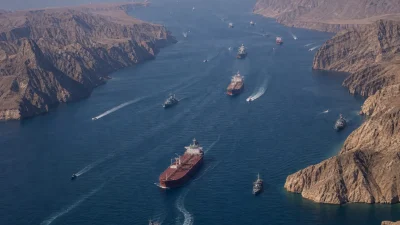
India imports approximately 85 per cent of its crude oil requirements, and the ongoing conflict in the Middle East has pushed international Brent crude prices above $110 per barrel — up from $75 per barrel at the start of 2026. The resulting surge in fuel costs has already led to a Rs 3 per litre hike in petrol and diesel prices and multiple increases in CNG and LPG prices over the past month.
Impact on Delhi-NCR Commuters
The announcement has been welcomed by commuters in the National Capital Region, many of whom have been feeling the pinch of rising fuel prices. Petrol in Delhi currently costs Rs 109.21 per litre, while diesel is at Rs 101.47 per litre — both at all-time highs. CNG prices in Delhi have crossed Rs 80 per kg after multiple recent hikes, further squeezing household budgets.
“I used to drive to work every day, but with petrol at Rs 109, it’s just not affordable anymore. The Metro is cheaper and faster, but the trains are already packed during peak hours. More services on Monday would really help,” said Prashant Kumar, a software developer who commutes from Noida to Connaught Place daily.
The Delhi government has also announced complementary measures, including the extension of bus services on key routes and the introduction of dedicated bus lanes on selected corridors during peak hours. Chief Minister has directed the Delhi Transport Corporation (DTC) to deploy additional buses on routes that connect Metro stations to major employment centres.
Other Cities Follow Delhi’s Lead
DMRC’s initiative is part of a broader trend across Indian cities responding to PM Modi’s fuel conservation appeal. The Bengaluru Metro Rail Corporation (BMRCL) announced last week that it would extend operating hours by one hour on weekdays to accommodate additional commuters. Mumbai’s local train network has added 12 extra suburban services during peak hours, while the Chennai Metro is offering a 10 per cent discount on monthly passes for new subscribers.
Corporate India has also responded to the PM’s call. Several major IT companies, including TCS, Infosys, and Wipro, have announced that employees would be encouraged to work from home on Mondays and Fridays where possible. The Confederation of Indian Industry (CII) has issued advisory guidelines to its member companies recommending staggered work timings, carpooling programmes, and investment in electric vehicle charging infrastructure.
Delhi Metro’s Growing Role in Urban Mobility
The Delhi Metro has evolved from a novel public transport experiment when it launched in 2002 to the backbone of mobility in the National Capital Region. The network now covers 286 stations across 12 lines, with an average daily ridership of over 62 lakh passengers — making it the busiest Metro system in India and a key part of the country’s rail and road infrastructure.
DMRC has been investing heavily in capacity expansion, with Phase IV of the network currently under construction. The expansion will add 65 kilometres and 45 stations to the existing network, connecting areas like Tughlaqabad, Aerocity, and Lajpat Nagar. The Phase IV project is expected to be completed by 2028 and will increase the network’s daily ridership capacity to over 80 lakh passengers.
DMRC Managing Director Vikas Kumar said the corporation is also exploring the introduction of express services on key corridors, which would skip intermediate stations and reduce journey times by up to 30 per cent. “The fuel crisis is a challenge, but it is also an opportunity to fundamentally shift how people think about urban mobility. If we can convert even 5 per cent of private vehicle users to Metro commuters on a permanent basis, the environmental and economic benefits would be enormous,” Kumar told reporters.
Long-Term Implications
The fuel conservation push is expected to have lasting effects on India’s urban transport landscape. Analysts predict that the combination of high fuel prices and improved public transport could permanently shift commuter behaviour in major cities, similar to the lasting changes in work patterns that followed the COVID-19 pandemic.
“The West Asia crisis may be temporary, but the behavioural changes it triggers could be permanent. Once people discover that the Metro is faster, cheaper, and less stressful than driving, many of them won’t go back to their cars even when fuel prices eventually come down,” said Amit Bhatt, Managing Director of the International Council on Clean Transportation in India.
As Delhi Metro rolls out its enhanced Monday services from today, all eyes will be on whether the initiative succeeds in significantly boosting ridership and reducing the crushing traffic congestion that has long plagued the National Capital Region.