Senate votes 50-48 to end Iran war as four Republicans break with Trump

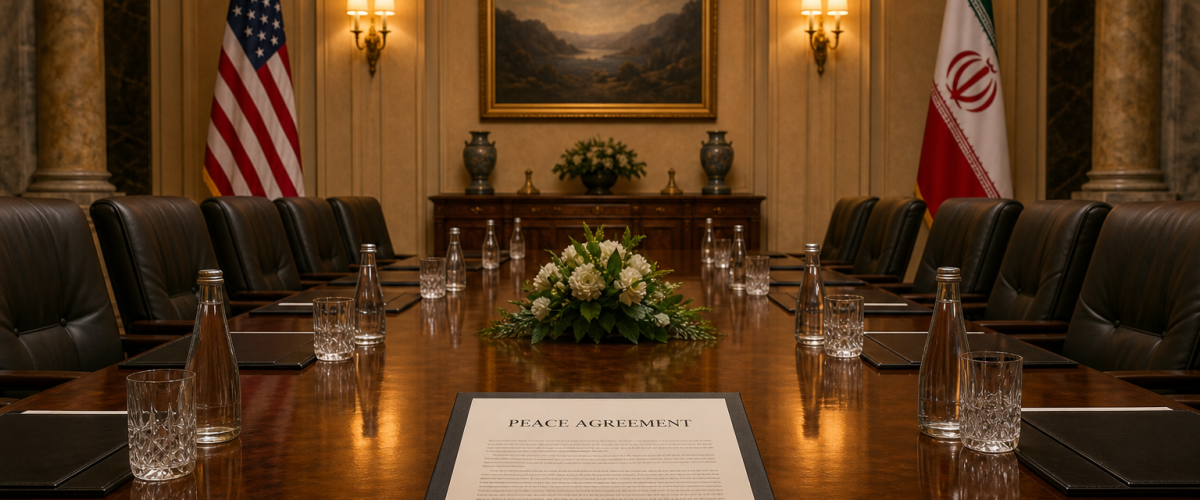
The US Senate voted 50-48 on Tuesday afternoon to direct President Donald Trump to withdraw American forces from hostilities with Iran. It was the first time a war powers resolution had successfully cleared both chambers of Congress since the conflict began on 28 February — and, crucially, the 10th time the Senate had tried.
The nine previous attempts had all failed. This one passed because four Republican senators broke ranks: Rand Paul of Kentucky, Susan Collins of Maine, Lisa Murkowski of Alaska, and Bill Cassidy of Louisiana voted in favour alongside almost all Democrats. The one Democrat who voted against it was John Fetterman of Pennsylvania. Two Republicans — Mitch McConnell and Dave McCormick — did not vote. Had either been present and voted with their party, the resolution would have failed by the narrowest of margins.
The measure is non-binding. It will not go to the White House for the president’s signature, and it carries no force of law. Trump responded to the vote within hours in a Truth Social post, calling the four Republicans “losers” who “have just made my job more difficult.” He also wrote: “The U.S. Senate decides to have a poorly timed and meaningless War Powers Act Vote, telling the Number One Sponser of Terror in the World that the United States doesn’t like what I am doing to them, and I must stop, and by so doing has provided aid and comfort the Enemy.” A White House official separately described the resolution as having “no significance” and attributed its passage to “Republican absences.”
The House passed the same measure earlier this month by 215-208, also with four Republicans defecting. That was already described as a historic bipartisan rebuke at the time. Tuesday’s Senate vote completed the legislative circuit, making it the first occasion Congress as a whole had passed such a resolution.
The conflict began without a congressional authorisation for use of military force. The Trump administration launched coordinated airstrikes on Iran alongside Israel on 28 February, targeting nuclear sites, military installations, and the country’s leadership — including the assassination of Supreme Leader Ali Khamenei. The White House has consistently argued that the requirements of the 1973 War Powers Resolution no longer apply because a ceasefire is now in effect. “The resolution directs the President to remove U.S. Armed Forces from hostilities against Iran,” the White House noted in brushing off the vote. “Yet there are no hostilities from which to remove U.S.” forces, they argued.
That legal question remains genuinely contested. Under the War Powers Resolution, a president has 60 days to engage in a military conflict before Congress must either declare war or authorise the use of force. The administration’s view is that the ceasefire framework — a 14-point memorandum of understanding signed by Trump and Iranian President Masoud Pezeshkian in Islamabad on 17 June — ends the legal clock. Critics argue the conflict is not truly over and that the executive has simply declared it finished to avoid congressional oversight.
The vote came at a particularly difficult diplomatic moment. Trump had posted a threatening message on social media just two days before Tuesday’s Senate vote: “Iran must immediately stop their highly paid PROXIES in Lebanon from causing trouble. If they don’t, we’ll hit Iran very hard again, just like we did last week, only harder!!!” Iranian state media said those comments directly violated the MoU’s first paragraph, which bars both sides from issuing threats. US Vice President JD Vance was simultaneously in Switzerland attending technical talks with Iranian negotiators over the implementation of the ceasefire. The Senate vote, broadcast globally the same afternoon, was not helpful timing.
Democratic Senate Minority Leader Chuck Schumer described Trump’s Iran campaign as a “historic blunder” and said Tuesday’s vote represented “bipartisan and bicameral support of our efforts to end this war of choice once and for all.” Democratic Senator Tim Kaine, who has pushed war powers measures throughout the conflict, said the founding principle was simple: “The most solemn power for Congress is Congress has the power to declare war, not the president.”
The broader political picture is that some Republican senators who have broadly supported the war are separately critical of the terms of the ceasefire MoU. Armed Services Committee Chair Roger Wicker, Tom Cotton, and Ted Cruz have all pushed back against the deal, arguing it concedes too much to Tehran on its nuclear programme. That internal Republican split — between those who oppose the war resolution and those who oppose the peace deal — leaves the White House navigating competing pressures from within its own party.
Tuesday’s vote marks the sharpest congressional pushback on the Iran conflict to date. Whether it changes anything in practice depends on how the Switzerland negotiations progress and whether the ceasefire holds.

- Indian Army Gets New Chief as General Dwivedi Hands Over Command Amid Push for Indigenous Defence Tech - July 1, 2026
- Ayodhya Ram Temple Donation Scandal Deepens as Trustees Resign and SIT Arrests Eight - June 29, 2026
- Bengal Seven Weeks On: Modi’s Historic Win and the Questions That Won’t Go Away - June 28, 2026