Kalinga Literary Festival 2026 Announces Book Award Longlists With Focus on Decolonizing Literature

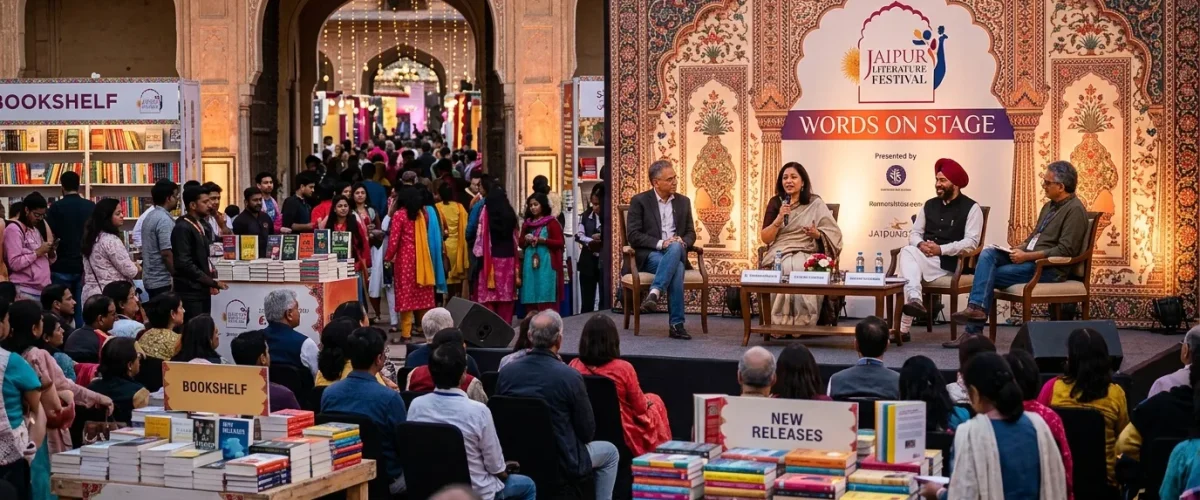
The Kalinga Literary Festival announced longlists for its 2026 Book Awards in five categories: Fiction, Non-Fiction, Translated Fiction, Poetry and a special literary excellence category. Held from 8 to 11 March at its home venue in Bhubaneswar, the festival adopted “Decolonizing Literature: The State, Market and the Literary Community in the Global South” as its central theme.
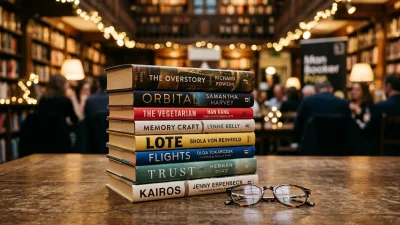
The KLF Book Awards, established in 2021, have become one of India’s most recognised literary honours. This year’s longlists highlight outstanding contributions to Indian writing in English and translation, drawing from works published between March 2025 and February 2026.
A Landmark Year for Indian Literature
The awards come after a landmark 2025 in which Banu Mushtaq won the International Booker Prize for Heart Lamp: Selected Stories, translated from Kannada by Deepa Bhasthi. The win marked the first time a short story collection and a Kannada work received the prestigious honour, spotlighting the rising influence of India’s regional literatures globally.
Indian authors dominated global literary awards this year, with the publishing industry crossing Rs 1,000 crore in revenue. The success of regional translations has opened new readership segments domestically and internationally.
Big-name returns defined the publishing calendar. Kiran Desai released The Loneliness of Sonia and Sunny, while Ruchir Joshi published Great Eastern Hotel. Both novels received critical acclaim for their expansive narratives of modern India.
Decolonizing Literature: The Festival’s Central Theme
The theme investigated post-colonial development of literature, seeking to establish a basis for diverse expression and modern narrative voices from the Global South. Panel discussions explored how state patronage, market forces and community engagement shape what gets published, translated and celebrated.
Diplomat Navtej Sarna’s A Flag to Live and Die For traced the Indian tricolour from its earliest precursors through its adoption in 1947. Krishna’s latest work situated culture, music, language and social practice as the terrain where Indianness is lived.
New UNESCO World Heritage nominations are boosting cultural preservation, providing a backdrop against which literary works exploring Indian identity carry added resonance.
Non-Fiction and Food Writing Emerge Strong
Chennai-based chef Krish Ashok follows Masala Lab: The Science of Indian Cooking with a prequel that traces the origins of ingredients that structure Indian cooking. The work explores trade routes, climate, cultivation and cultural adaptation, blending food writing with historical scholarship.
India’s research output hit record highs, and the crossover between academic research and accessible non-fiction is producing a new wave of books that bring complex subjects to mainstream readers.
Looking Ahead in Indian Publishing
Shortlists for the KLF Book Awards will be announced in May, with winners declared at a ceremony in July. The festival’s growing stature reflects a broader trend: Indian literature is no longer a niche market but a dynamic ecosystem connecting regional voices with global audiences.