FSSAI Strengthens Food Labelling Rules as India Battles Early Heatwave With Summer Nutrition and Diet Guidelines

FSSAI Strengthens Food Labelling Rules as India Battles Early Heatwave With Summer Nutrition Guidelines
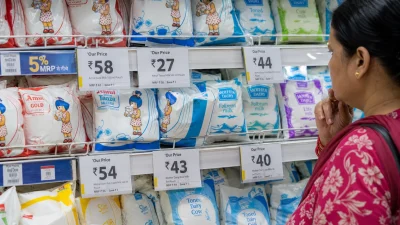
The Food Safety and Standards Authority of India has introduced a series of regulatory changes in early 2026 that tighten labelling requirements for packaged foods, while simultaneously issuing updated nutrition guidelines as the country faces an unusually early and intense heatwave season. The twin developments underscore the growing intersection of food safety, public health, and dietary awareness in a country where both processed food consumption and climate-related health risks are rising rapidly.
The FSSAI’s new labelling regulations, notified through gazette notifications in March and April 2026, address gaps in consumer information that have long frustrated health advocates and nutritionists. At the same time, the India Meteorological Department’s early heatwave alerts across southern and central states have prompted doctors and public health experts to emphasise the critical role of diet and hydration in preventing heat-related illness.
New Labelling Regulations: What Has Changed
The Food Safety and Standards (Labelling and Display) First Amendment Regulations, 2026, introduced several key changes to how packaged food products must present nutritional information to consumers. The amendments include revisions to the recommended dietary allowance (RDA) display requirements, with specific exemptions introduced for infant nutrition products and non-retail containers that are sold between businesses rather than directly to consumers.
The regulations build on the comprehensive Labelling and Display Regulations of 2020, which had established a framework for front-of-pack labelling, allergen declarations, and nutritional information panels. The 2026 amendments refine these requirements based on implementation experience and feedback from both the food industry and consumer advocacy groups, striking a balance between providing comprehensive information and avoiding label clutter that can confuse rather than inform consumers.
A parallel amendment to the Food Safety and Standards (Licensing and Registration of Food Businesses) Regulations introduces stricter compliance requirements for food businesses, including enhanced documentation and audit trail obligations. These changes are designed to improve traceability in the food supply chain, making it easier for regulators to identify and address food safety violations before they reach consumers.
The FSSAI has also appointed new Central Food Safety Officers for airport locations and fortified rice kernel monitoring, expanding the regulatory network to cover critical distribution points where food safety violations can have widespread impact. The fortified rice programme, a cornerstone of India’s nutrition security strategy, requires dedicated oversight to ensure that the micronutrient supplements added to rice meet quality standards throughout the distribution chain.
Gujarat Crackdown Highlights Enforcement Challenges
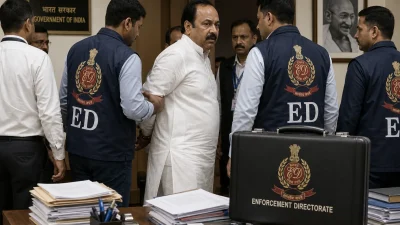
The need for stronger food safety enforcement was starkly illustrated by Gujarat’s Food and Drug Control Administration sealing 18 food units and destroying over 700 kilograms of stock in a statewide crackdown on synthetic paneer and adulterated dairy products in April 2026. The operation targeted manufacturers selling paneer analogues, products made from vegetable oils and starches rather than milk, that were being marketed as genuine dairy paneer without proper labelling.
The Gujarat crackdown underscores the gap between regulatory intent and ground-level compliance that continues to challenge food safety efforts across India. While the FSSAI has built a robust regulatory framework, enforcement depends on state-level agencies with varying levels of capacity, resources, and political will. The success of the Gujarat operation demonstrates what targeted enforcement can achieve, but it also highlights the scale of the problem in a country with millions of food businesses ranging from large corporations to roadside vendors.
Early Heatwave Demands Dietary Adaptation
The India Meteorological Department has issued heatwave alerts across multiple states including Andhra Pradesh, Telangana, Maharashtra, and parts of central India, with temperatures exceeding seasonal norms by several degrees. The early onset of extreme heat has prompted medical professionals to issue urgent guidance on dietary modifications that can reduce the risk of dehydration, heat exhaustion, and heatstroke.
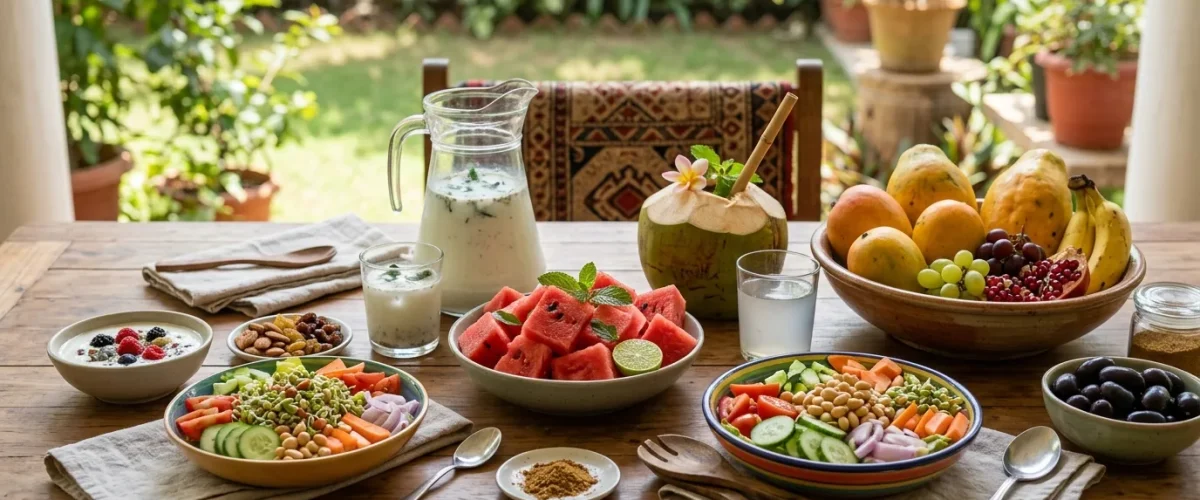
Doctors recommend prioritising hydration as the single most important dietary intervention during heatwave conditions. This means not just drinking water but consuming fluids that contain electrolytes, including traditional Indian beverages like buttermilk, nimbu pani with salt, coconut water, and aam panna made from raw mangoes. These drinks provide sodium, potassium, and other minerals that are lost through excessive sweating and cannot be replaced by water alone.
Nutritionists advise shifting toward lighter meals that are easier to digest and generate less metabolic heat. This means increasing the proportion of fruits, vegetables, and salads in the diet while reducing heavy proteins and fried foods that require more energy to digest and consequently raise body temperature. Seasonal fruits including watermelon, muskmelon, cucumber, and mangoes provide both hydration and essential vitamins.
Summer Nutrition: What the Experts Recommend
Medical experts from institutions across India are converging on a set of practical dietary recommendations for the summer months. The advice centres on eating small, frequent meals rather than large ones, avoiding outdoor activity and alcohol consumption during peak heat hours between 11 am and 4 pm, and wearing loose, light-coloured clothing that allows the body to regulate temperature effectively.
For vulnerable populations including the elderly, children, outdoor workers, and individuals with chronic conditions such as diabetes or heart disease, the dietary recommendations are more stringent. These groups are advised to monitor fluid intake actively, consume oral rehydration solutions at the first sign of heat-related symptoms, and seek medical attention immediately if symptoms of heat exhaustion such as heavy sweating, weakness, nausea, or dizziness develop.
The connection between food safety and summer health extends to the risk of foodborne illness, which increases significantly during hot weather as bacteria multiply rapidly in improperly stored food. The FSSAI recommends avoiding street food that may have been sitting at ambient temperatures for extended periods, checking the expiry dates on packaged foods more carefully during summer, and ensuring that refrigerated items are stored at appropriate temperatures.
The Bigger Picture: Food as Public Health Infrastructure
India’s simultaneous push to strengthen food labelling regulations and promote summer nutrition awareness reflects a broader understanding that food policy is public health policy. The country’s disease burden is increasingly shaped by diet-related conditions including diabetes, cardiovascular disease, and malnutrition, making the regulatory framework governing food production, labelling, and consumption a critical lever for improving population health outcomes.
The convergence of heatwave preparedness and food safety regulation in April 2026 illustrates how climate change is adding urgency to existing food system challenges. As extreme heat events become more frequent and intense, the ability to maintain food safety standards throughout the supply chain, ensure nutritional adequacy of diets under heat stress, and communicate dietary guidance effectively to diverse populations becomes increasingly important for India’s public health infrastructure.

- Fentanyl Vaccine Breakthrough: Scripps Research Develops Shot That Blocks Deadly Overdoses Before They Reach the Brain - June 13, 2026
- Nipah Virus Returns to Kerala — First Case of 2026 Confirmed, State Declares High Alert - June 12, 2026
- Jill Biden Reveals She Wanted to Keep PM Modi’s 7.5-Carat Diamond Gift but Returned It After State Department Valued It at $20,000 - June 8, 2026