How to Beat the 2026 Heatwave With Your Diet: Curd Rice, Hydration Hacks, and the Summer Foods Indian Nutritionists Swear By

As India confronts its first major heatwave of 2026 — with temperatures crossing 43°C across Delhi, Rajasthan, Uttar Pradesh, and Madhya Pradesh — nutritionists and doctors are urging citizens to rethink their diets. The connection between extreme heat and digestive health is well-established in Ayurvedic medicine but is now being backed by modern nutrition science: what you eat during a heatwave can be the difference between resilience and hospitalization. Leading the viral conversation is a humble traditional dish — curd rice — which nutritionists are calling the “ultimate natural AC for your stomach.”
This comprehensive guide brings together the latest advice from India’s top nutritionists, Ayurvedic practitioners, and doctors on how to eat your way through the 2026 heatwave safely. For Health & Diet, these dietary recommendations could be the most important health information of the season.
Why Heatwaves Wreak Havoc on Your Gut
Before diving into dietary solutions, it’s crucial to understand why extreme heat disrupts digestion. Dr. Anoop Misra, Chairman of Fortis C-DOC Centre for Diabetes, Metabolic Diseases, and Endocrinology in Delhi, explains: “When ambient temperatures exceed 40°C, the body diverts blood flow from the digestive tract to the skin surface for cooling. This reduces digestive enzyme production by 20-30 percent, slows gastric motility, and creates an environment ripe for bacterial overgrowth.”
The result is a cluster of heat-related digestive complaints that hospitals across India are already seeing in April 2026. Summer diarrhoea has emerged as the most common heat-related digestive issue, caused by bacterial contamination of food that spoils faster in extreme heat, with hospitals reporting a 45 percent increase in diarrhoea cases compared to March. Acid reflux and bloating intensify as slowed digestion leads to fermentation of food in the stomach, producing excess gas. Dehydration-induced constipation occurs because the body draws water from the colon to maintain hydration, hardening stools. Heat-related nausea affects an estimated 1 in 5 outdoor workers during heatwave periods, often accompanied by loss of appetite. As reported in India’s April 2026 Food Festival Boom: How Northeast Cuisine and , India’s environmental conditions are having direct impacts on public health.
Curd Rice: The Viral 2026 Summer Health Hack
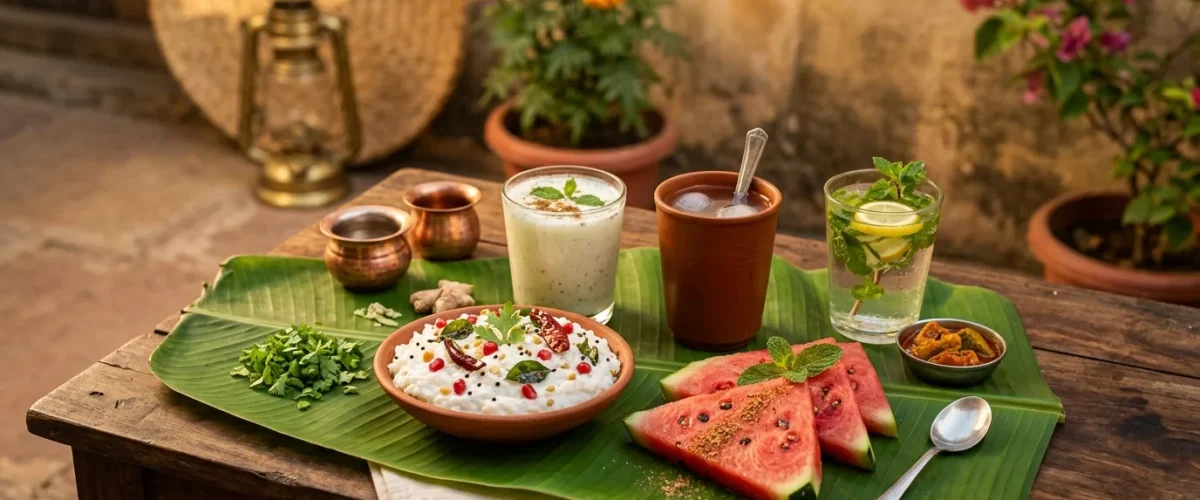
The internet’s favourite summer food recommendation of 2026 is curd rice (thayir sadam in Tamil, mosaranna in Kannada, dahi chawal in Hindi) — and nutritionists say the hype is entirely justified. A nutritional analysis published in the Indian Journal of Clinical Nutrition in March 2026 identified multiple reasons why curd rice is the ideal heatwave food.
Curd rice serves as a probiotic powerhouse, with natural yogurt containing Lactobacillus and Streptococcus thermophilus — beneficial bacteria that strengthen gut lining integrity and combat pathogenic bacteria that thrive in summer heat. The cooling effect of curd rice is significant, as it has a thermic effect of food (TEF) value 40 percent lower than roti-based meals, meaning the body generates less metabolic heat during digestion. The dish also excels at electrolyte replacement, since when tempered with salt, curry leaves, and mustard seeds, it provides sodium, potassium, and magnesium — the electrolytes lost through excessive sweating. Additionally, the combination of easily digestible rice starch and yogurt protein is gentle on heat-compromised digestive systems.
Nutritionist Rujuta Diwekar, one of India’s most followed health experts (4.2 million Instagram followers), posted a viral reel on April 8 declaring curd rice “the one food every Indian should eat daily from April to June.” The post has been viewed 12 million times and sparked a nationwide conversation about traditional summer foods. For Food & Recipes coverage, the intersection of diet, health, and seasonal wellness is driving major engagement.
The Complete Heatwave Diet: What Nutritionists Recommend
Morning (6-8 AM): Start the day with a glass of room-temperature water infused with sabja (basil) seeds — the seeds absorb water and expand, providing sustained hydration and a cooling effect. Follow with a light breakfast of soaked overnight oats with seasonal fruits (mango, watermelon) or poha tempered with peanuts and curry leaves. Avoid heavy parathas or deep-fried items that generate excessive metabolic heat.
Mid-Morning (10-11 AM): This is peak hydration time. Dr. Shikha Sharma, founder of Nutri-Health Systems, recommends aam panna (raw mango drink) as the “best natural electrolyte replacement available in India.” A single glass of aam panna provides vitamin C, iron, and sodium — all critical during heatwave conditions. Alternatively, buttermilk (chaas) tempered with cumin and mint provides probiotics alongside hydration. The Great Pani Puri Trail: Ranking India’s Best Cities for the Na
Lunch (12-1 PM): The centrepiece should be curd rice or a light rice-dal combination. Accompaniments like cucumber raita, raw onion with lemon, and kokum juice complement the meal. Avoid heavy non-vegetarian dishes at lunch during heatwaves — the higher thermic effect of protein digestion can raise core body temperature by 0.5-1°C.
Afternoon Snack (3-4 PM): Watermelon (with a pinch of black salt), tender coconut water, or sattu drink (roasted gram flour mixed with water, lemon, and salt — a traditional Bihar and UP summer staple). Sattu is particularly recommended because it provides sustained energy without generating metabolic heat.
Dinner (7-8 PM): Keep it light — khichdi with ghee and a side of raita is the gold standard. Alternatively, moong dal cheela (green gram pancakes) with mint chutney provides protein without the digestive burden. Finish with a small glass of thandai or milk with gulkand (rose petal preserve) — both have cooling properties recognized in Ayurveda.
Foods to Avoid During Heatwaves
Equally important is knowing what not to eat. Nutritionists and doctors unanimously recommend avoiding or minimizing excessive tea and coffee (caffeine is a diuretic that accelerates dehydration), spicy food (capsaicin raises body temperature and can irritate heat-sensitized gut lining), deep-fried snacks (high fat content slows digestion and generates metabolic heat), red meat (highest thermic effect among food groups), ice-cold beverages (despite the intuitive appeal, extremely cold drinks can cause stomach cramping and actually slow the body’s natural cooling mechanism), and stale or street food (bacterial contamination risk multiplies in temperatures above 40°C). Millet Recipes Go Mainstream: 10 Innovative Dishes Indian Home Co
Hydration: The Forgotten Medicine
The Indian Council of Medical Research (ICMR) updated its hydration guidelines in April 2026, recommending that adults consume a minimum of 3.5 litres of fluids daily during heatwave conditions — up from the standard recommendation of 2.5 litres. For outdoor workers, the recommended intake rises to 5 litres.
However, ICMR nutritionist Dr. Hemalatha R. emphasized that “hydration is not just about water volume — it’s about electrolyte balance. Drinking large quantities of plain water without replacing sodium and potassium can cause hyponatremia (dangerously low sodium levels), which is itself a medical emergency.” The solution? ORS (oral rehydration salts), coconut water, traditional summer drinks like jaljeera, nimbu pani with salt and sugar, and fruit consumption (watermelon is 92 percent water and rich in potassium).
As India’s heatwave season intensifies, your kitchen may be your most powerful defence against heat-related illness. The traditional summer foods that generations of Indians have eaten — curd rice, aam panna, buttermilk, sattu, watermelon — are not just comfort foods. They are, as modern nutrition science is now confirming, precisely calibrated cooling systems for the human body. In a country facing 43°C temperatures with a healthcare system already under strain, eating right isn’t just healthy advice — it’s a survival strategy.