India’s April 2026 Food Festival Boom: How Northeast Cuisine and Forgotten Flavours Are Conquering Urban Menus


India’s food scene in April 2026 is being transformed by a surge of food festivals celebrating regional cuisines — from Delhi’s Global Gastronomy Week to Kolkata’s street food carnivals and Bengaluru’s South Indian heritage menus. At the same time, social media is amplifying flavours from India’s Northeast and tribal regions that mainstream restaurants have historically ignored. Here is a deep dive into how India is rediscovering its own culinary diversity.
April 2026: India’s Food Festival Calendar
Across India, hotels, restaurants, and culinary organisations are hosting food festivals that spotlight regional and heritage cuisines — a trend that has accelerated dramatically since the pandemic made Indians more curious about their own culinary traditions.
Key events this April include:
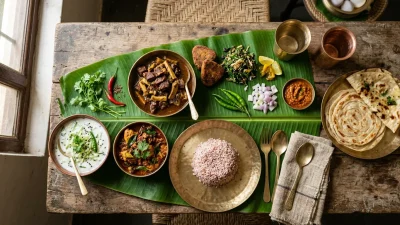
- Delhi Global Gastronomy Week (April 15–22): Organised by the India International Centre and the Indian Culinary Forum, this week-long festival features pop-up kitchens from 15 Indian states alongside international chefs. The highlight is a curated “Lost Recipes” menu that recreates dishes from 18th-century royal kitchens — Lucknawi galawati kebabs cooked over coal, Hyderabadi Haleem made with heritage wheat, and a Travancore fish curry using hand-ground masala.
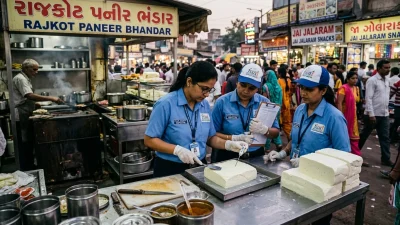
- Kolkata Street Food Carnival (April 12–20): Organised by the Kolkata Municipal Corporation in collaboration with street-food vendors, this annual event has grown into one of India’s largest outdoor food gatherings. Over 200 stalls serve everything from traditional phuchka and kathi rolls to fusion creations like rasgulla cheesecake and mishti doi parfaits.
- Bengaluru Heritage Food Trail (April–May): A consortium of South Indian restaurants is running a two-month “Heritage Trail” featuring rotating menus that celebrate Chettinad, Mangalorean, Coorg, and Malabar cuisines. The initiative aims to educate urban diners about the diversity of South Indian food beyond dosa and idli.
Northeast India: From the Margins to the Menu
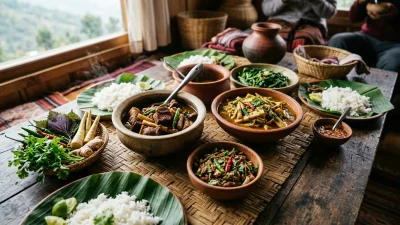
Perhaps the most exciting development in India’s food landscape is the mainstreaming of Northeast Indian cuisine. For decades, the cuisines of Nagaland, Manipur, Mizoram, Meghalaya, and Assam were invisible in India’s urban restaurant scene — limited to a handful of community-run eateries in cities with significant Northeastern populations. That is changing rapidly.
In 2026, several factors are converging:
- Social Media Discovery: Food creators from the Northeast — particularly Naga and Manipuri influencers — are building massive followings by showcasing recipes that are unfamiliar to mainstream India. Bamboo shoot pork, axone (fermented soybean chutney), and smoked meat curries are generating millions of views on Instagram and YouTube.
- Urban Restaurants: Cities like Delhi, Mumbai, and Bengaluru now have dedicated Northeast Indian restaurants that serve elevated versions of tribal dishes. Ziro (named after the Arunachal Pradesh valley famous for its music festival) in Delhi’s Hauz Khas has a three-month waiting list for its tasting menu.
- Cultural Shifts: A younger generation of Indians, particularly in metros, is actively seeking out unfamiliar flavours as a form of cultural exploration — a trend linked to broader curiosity about heritage and identity in 2026.
Chettinad, Kumaoni, and Konkani: The Regional Renaissance
The Northeast is not the only region benefitting from India’s culinary renaissance. Three other micro-regional cuisines are having a breakout moment:
Chettinad (Tamil Nadu): Known for its bold use of freshly ground spices — star anise, kalpasi (stone flower), and marathi mokku (dried flower pods) — Chettinad cuisine has been a fine-dining darling for years. But 2026 has seen it reach a mass audience through cloud kitchens and meal-kit services. Brands like Chettinad Express are shipping vacuum-packed spice mixes and curry pastes to home cooks across India, making it possible to replicate the complex flavour profiles without access to a Chettinad grandmother’s pantry.
Kumaoni (Uttarakhand): The mountain cuisine of Kumaon — built around hearty lentil preparations, hemp-seed chutneys (bhang ki chutney), and slow-cooked iron-kadhai dishes — is emerging as India’s answer to the global “mountain food” trend. Restaurants in Almora and Mukteshwar are rebranding traditional home cooking as destination dining, attracting the same travellers who flock to the Uttarakhand pilgrimage and trekking circuit.
Konkani (Goa, Karnataka, Maharashtra): While Goan food is well-known internationally, the broader Konkani culinary tradition — spanning the entire western coast from Mumbai to Mangalore — is being rediscovered. Dishes like Malvani fish curry, Udipi sambar, and Pathare Prabhu egg preparations are finding new audiences through food bloggers and pop-up events.
The Role of Social Media and Food Content
India’s food-content ecosystem is now worth an estimated ₹2,000 crore annually, encompassing food influencers, recipe platforms, cooking channels, and food-delivery-app content. The street food content explosion that defined early 2026 is now evolving into a more nuanced discovery of regional and heritage cuisines.
Platforms like YouTube and Instagram have made it possible for a home cook in Imphal to share a traditional Manipuri dish — kangshoi (a simple vegetable stew flavoured with maroi, a local herb) — and have it viewed by millions of people in Delhi, Mumbai, and Bengaluru within hours. This democratisation of food culture is breaking down the barriers that kept India’s culinary diversity locked within regional and community boundaries.
Food Festivals as Economic Engines
Food festivals are not just cultural events — they are significant economic drivers. The Kolkata Street Food Carnival alone is expected to generate over ₹15 crore in direct spending during its nine-day run, supporting 500+ vendors and their families. Delhi’s Gastronomy Week brings international media attention that translates into tourism revenue. For states like Nagaland and Mizoram, the growing interest in their cuisines is creating export opportunities for specialty ingredients — smoked pork, bamboo vinegar, king chilli (bhut jolokia), and fermented fish.
The Indian government’s “One District One Product” initiative, which promotes local food products alongside handicrafts, has also contributed to the regional cuisine boom. Food products from tribal and rural areas are now available on the Government e-Marketplace and speciality retail platforms, connecting producers directly with urban consumers.
A Culinary Awakening
India has always been one of the world’s great food cultures — but for too long, the mainstream narrative reduced it to butter chicken, dosa, and biryani. April 2026 feels like a turning point: a moment when the full breadth of India’s culinary diversity — from Naga smoked meats to Kumaoni hemp-seed chutneys to Chettinad stone-flower curries — is finally getting the recognition it deserves. The food festival season is just beginning, and the best flavours are yet to come.
Explore the full spectrum of India’s regional flavours on Regional Cuisine at Daily Tips.