Centre Halves Windfall Tax on Petrol Exports and Slashes Diesel ATF Levies From June 1

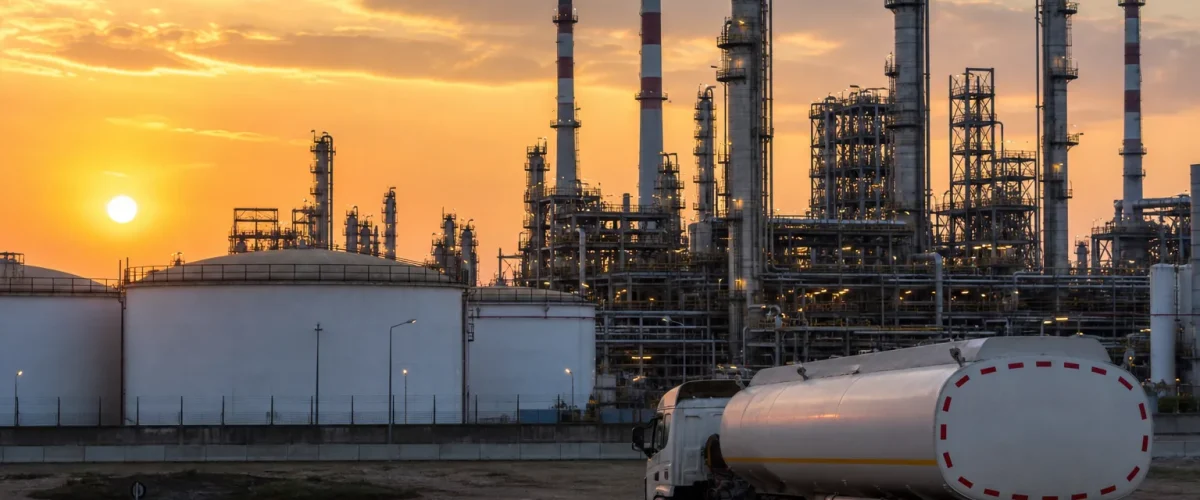
The Central Government on Saturday announced a significant reduction in windfall taxes on petroleum product exports, halving the special additional excise duty (SAED) on petrol exports to Rs 1.5 per litre and slashing levies on diesel and aviation turbine fuel (ATF) effective 1 June 2026. The Finance Ministry notification confirmed that no changes have been made to domestic fuel prices.
The move comes during the fortnightly review of the windfall tax regime, which was introduced in July 2022 to capture extraordinary profits earned by domestic refiners from elevated global crude oil prices. Analysts view the latest cut as a response to softening international oil markets and an effort to boost India’s petroleum export competitiveness.
What Exactly Has Changed — A Breakdown of the New Rates
The SAED on petrol exports has been reduced from Rs 3 per litre to Rs 1.5 per litre — a 50 percent cut. This levy was reimposed just two weeks ago on 16 May, when global Brent crude briefly touched $88 per barrel following escalating tensions in the Strait of Hormuz region. The rapid reversal reflects the equally rapid decline in crude prices, which have since settled around $79 per barrel.
Diesel export duty has been cut from Rs 16.5 per litre to Rs 13.5 per litre — a reduction of Rs 3 per litre. ATF export duty has seen the steepest cut, dropping from Rs 16 per litre to Rs 9.5 per litre, a reduction of Rs 6.5 per litre. In a separate but related measure, the government has removed the road and infrastructure cess entirely on exports of both petrol and diesel.
For Indian refiners like Indian Oil Corporation, Bharat Petroleum, and Reliance Industries, the reduced levies effectively improve export margins by Rs 1.5 to Rs 6.5 per litre across different products — a meaningful change that could incentivise higher export volumes in the coming weeks.
Why the Government Is Cutting Now — Global and Domestic Factors
Three key factors are driving the government’s decision. First, global crude oil prices have moderated significantly since mid-May. The tentative 60-day ceasefire framework between the United States and Iran has eased supply disruption fears, bringing Brent crude down from its May peak of $88 to the current $79 range. With international prices falling, the super-normal profits that justified the windfall tax are shrinking.
Second, India’s petroleum product exports have been declining. Data from the Petroleum Planning and Analysis Cell (PPAC) shows that diesel exports dropped 12 percent year-on-year in April 2026, while ATF exports fell 8 percent. High levies were making Indian refiners less competitive compared to Middle Eastern and Southeast Asian counterparts who face lower or no export duties.
Third, the domestic energy situation has added complexity. With India’s record power demand crisis during the ongoing heatwave pushing electricity consumption to 265 GW, the government needs to balance export incentives with ensuring adequate domestic fuel supply, particularly for power generation.
Impact on Domestic Consumers — No Relief at the Pump Yet
The government has explicitly stated that domestic petrol and diesel prices remain unchanged. Retail petrol in Delhi continues at Rs 94.72 per litre, while diesel is at Rs 87.62 per litre — levels that have held since the last revision in March 2024. This means that while refiners and exporters benefit from lower levies, ordinary consumers will see no immediate price reduction.
This disconnect between export duty reductions and domestic pricing has drawn criticism from opposition parties and consumer groups. Earlier this month, CNG prices were hiked by Rs 2 per kg in Delhi — the third increase in two weeks — sparking protests from auto-rickshaw and taxi drivers who called for parity between export benefits and domestic relief.
Energy economist Debasish Mishra of Deloitte India noted that the government’s approach reflects a strategic priority: maintaining fiscal stability while keeping India’s refining sector globally competitive. “The windfall tax is designed to be counter-cyclical — it rises when global prices spike and falls when they moderate. The fortnightly review mechanism ensures it remains responsive, even if domestic pump prices stay sticky,” he explained.
Refining Sector Outlook and Market Reaction
Shares of Indian Oil Corporation and BPCL rose 1.2 percent and 0.9 percent respectively in Friday’s trading session, reflecting market expectations of the cut. Reliance Industries, which exports approximately 60 percent of its Jamnagar refinery output, stands to benefit the most in absolute terms given its export volumes.
The ATF duty cut is particularly significant for the aviation sector. Indian carriers have been lobbying for lower ATF costs for years, arguing that India’s jet fuel prices are among the highest in Asia, making domestic airlines less competitive on international routes. While the export duty cut does not directly reduce domestic ATF prices, industry observers expect it to ease supply constraints by making domestic sales more attractive relative to exports.
The Brent crude price volatility driven by Middle East tensions earlier this month had already made refining margins unpredictable. With the windfall tax adjustment, the government appears to be signalling that it expects oil prices to remain rangebound in the near term.
What Comes Next — June Review and Budget Implications
The next fortnightly review is scheduled for 15 June. If crude prices continue to decline — some analysts project Brent could fall to $74 per barrel by mid-June if the US-Iran ceasefire holds — the SAED could be reduced further or eliminated entirely. The windfall tax has been a modest revenue contributor to the exchequer, generating approximately Rs 25,000 crore since its introduction, but it remains politically sensitive given the perception that consumers bear higher prices while exporters receive relief.
For India’s Rs 8 lakh crore petroleum sector, the message from Saturday’s notification is clear: the government is willing to adjust levies swiftly to maintain export competitiveness, but domestic pricing reform remains off the table for now. How long this dual approach can sustain will likely be tested in the Union Budget session, where fuel taxation is expected to be a major point of debate.