PM Modi Slashes Official Convoy From 15 Cars to Just Two Vehicles in Dramatic Austerity Move Amid West Asia Energy Crisis

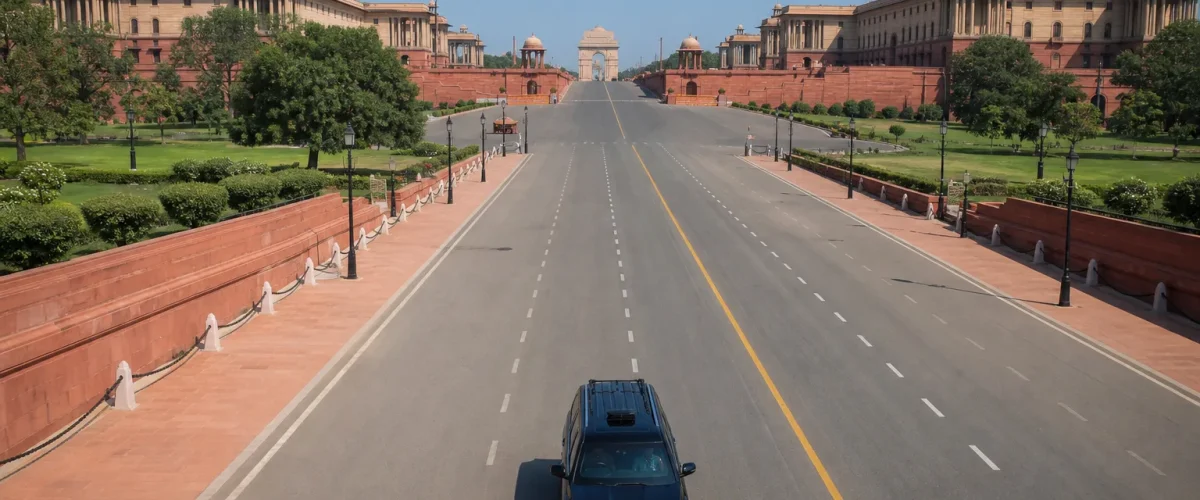
In a striking act of symbolic leadership, Prime Minister Narendra Modi has drastically reduced his official convoy from the typical 12 to 15 vehicle VIP motorcade to just two cars — a Range Rover and a Toyota Fortuner — during recent domestic travels in Delhi, marking a sharp departure from decades of established security protocol and sending a powerful signal about the government’s commitment to fuel conservation amid the ongoing West Asia energy crisis.
The move, first reported on 13 May 2026 and confirmed by officials familiar with the matter, comes just days after PM Modi publicly appealed to Indian citizens during a BJP rally in Hyderabad to reduce petrol and diesel consumption, avoid unnecessary travel, postpone international trips and embrace austerity as a patriotic duty. The Prime Minister’s decision to lead by personal example has generated significant public attention and has already begun influencing the behaviour of other senior government officials, with Union Home Minister Amit Shah and several cabinet ministers also reducing the size of their official convoys.
A Historic Break From VVIP Protocol
The standard VVIP motorcade for an Indian Prime Minister typically consists of 12 to 15 vehicles, including an armoured Mercedes-Maybach S650 Guard sedan (the PM’s primary vehicle), escort vehicles, electronic jammer units, decoy cars carrying look-alike personnel, an ambulance, a communications vehicle, and pilot and follow cars. The Special Protection Group (SPG), which is responsible for the Prime Minister’s security, has traditionally insisted on this extensive convoy format as part of a multi-layered security architecture designed to counter potential threats including ambushes, improvised explosive devices and assassination attempts.
The reduction to just two vehicles represents a fundamental rethinking of this approach. Sources in the SPG said the security protocols have been revised in consultation with intelligence agencies, and that the decision reflects both the Prime Minister’s personal conviction and a pragmatic assessment that modern surveillance technology, route-clearing procedures and advance security measures can compensate for the reduced physical convoy. The two vehicles being used — a Range Rover (the PM’s car) and a Toyota Fortuner (carrying close protection officers) — are both armoured and equipped with the latest communication and counter-surveillance systems.
Part of Broader Austerity Drive
The convoy reduction is part of a comprehensive government austerity programme announced in response to the global energy crisis triggered by the ongoing US-Iran war and the disruption of oil supplies through the Strait of Hormuz. With Brent crude oil prices trading above $100 per barrel for weeks, India — the world’s third-largest oil importer — is facing severe pressure on its foreign exchange reserves, current account deficit and fiscal position.
PM Modi’s 11 May appeal in Hyderabad had outlined a multi-point austerity programme for both the government and citizens. The key measures he called for included reducing cooking oil consumption by 10 per cent, cutting back on petrol and diesel use by opting for public transport and carpooling, delaying international travel, avoiding gold purchases for one year to conserve forex reserves, and reducing discretionary spending across government departments. The gold boycott appeal was subsequently backed up by a sharp increase in import duties on gold and silver from 6 per cent to 15 per cent.
The convoy reduction translates the PM’s rhetoric into visible action. Several other senior ministers have followed suit. Union Minister Jitendra Singh was recently seen travelling without escort or pilot vehicles despite protocol provisions. Railway Minister Ashwini Vaishnaw directed all railway zones to reduce official vehicle usage by 30 per cent and encourage train travel for official trips. The Ministry of Home Affairs issued a circular to all central armed police forces directing a 25 per cent reduction in non-essential fuel consumption, with immediate effect.
Public Reaction and Political Response
The PM’s convoy reduction has generated a largely positive public response on social media, with the hashtag #ModiAusterity trending on X (formerly Twitter) throughout Wednesday. Supporters praised the move as evidence of the Prime Minister’s personal commitment to national sacrifice, drawing comparisons to wartime austerity measures adopted by leaders in other countries during energy crises. Several BJP-led state governments, including those in Madhya Pradesh and Gujarat, announced their own austerity measures in solidarity, with chief ministers pledging to reduce their convoy sizes and cut discretionary official spending.
However, opposition parties were sceptical. Congress spokesman Jairam Ramesh said the convoy reduction was “political theatre designed to distract from the government’s failure to manage the economic fallout of the West Asia crisis.” He pointed to the sharp decline of the Indian rupee, the stock market crash, and the rising cost of living as evidence that the government’s response to the crisis had been inadequate. The Samajwadi Party’s Akhilesh Yadav quipped that “reducing a convoy from 15 cars to two does not reduce petrol prices for the common man” and demanded that the government cut excise duty on fuel instead.
Security Concerns and Expert Analysis
Security experts were divided on the wisdom of the convoy reduction. Former SPG officers said the move carried inherent risks, particularly during travel outside Delhi, where route-clearing and advance security arrangements are more complex. “The PM’s security is a matter of national importance, not personal preference,” said a retired SPG official who requested anonymity. “While I respect the PM’s desire to set an example, the convoy exists for a reason. It provides redundancy, decoy capability and immediate response capacity that cannot be fully replaced by technology alone.”
Others, however, said the move was both safe and necessary. “Modern security technology, including drones, route surveillance cameras, AI-based threat detection and real-time intelligence coordination, has advanced to the point where a large physical convoy is no longer the only way to ensure VVIP safety,” said strategic affairs analyst Manoj Joshi. “The PM’s decision reflects confidence in these capabilities and sends an important message about leadership during a national crisis.”
The government has also issued advisories to all central ministries and departments to adopt austerity measures in their day-to-day operations. These include reducing air conditioning usage in government buildings by setting thermostats at 26 degrees Celsius, minimising official air travel and replacing it with video conferencing where possible, and carpooling for official engagements. The Department of Administrative Reforms has been tasked with monitoring compliance and reporting monthly savings to the Prime Minister’s Office.
For ordinary Indians feeling the pinch of rising fuel and food costs, the PM’s gesture may carry more symbolic than material significance. But in a political culture where the personal conduct of leaders is closely watched and often emulated, the sight of the country’s most powerful person travelling in a two-car convoy sends an unmistakable message: the crisis is real, the government is taking it seriously, and every Indian — from the Prime Minister to the common citizen — is expected to do their part.

- Indian Army Gets New Chief as General Dwivedi Hands Over Command Amid Push for Indigenous Defence Tech - July 1, 2026
- Ayodhya Ram Temple Donation Scandal Deepens as Trustees Resign and SIT Arrests Eight - June 29, 2026
- Bengal Seven Weeks On: Modi’s Historic Win and the Questions That Won’t Go Away - June 28, 2026