Iran Reviews Fresh US Proposal to End West Asia Conflict as Trump Says Talks on Borderline Between Deal and Military Action

Fifth Round of Negotiations Signals Cautious Progress
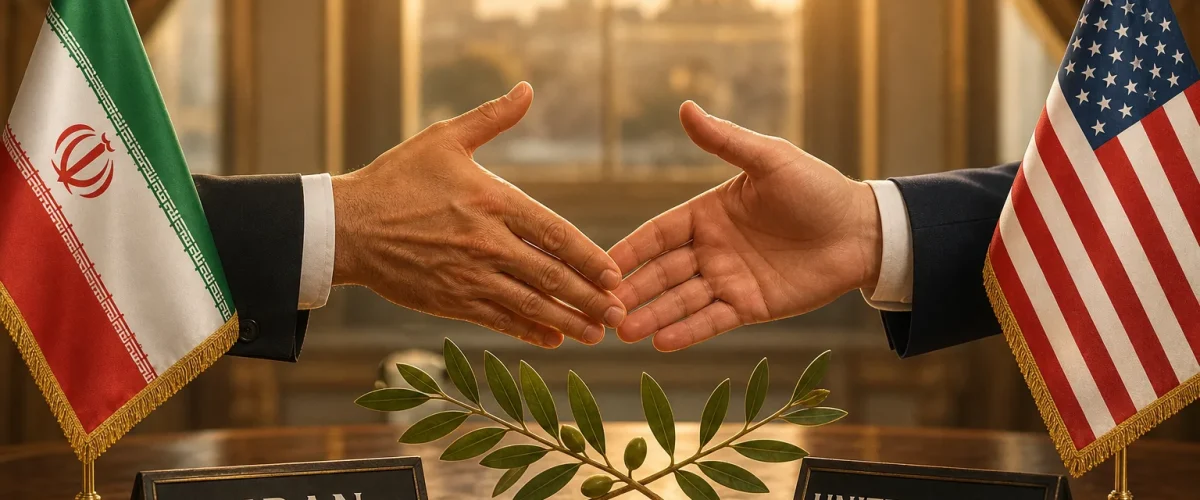
Iran announced on 20 May 2026 that it is reviewing a fresh proposal from the United States aimed at ending the ongoing conflict in West Asia, raising cautious hopes of a diplomatic breakthrough after months of escalating tensions that have disrupted global energy markets, strained international alliances, and pushed oil prices above 110 dollars per barrel.
The development comes as part of the fifth round of Iran-US negotiations, which have been mediated by Oman since April 2025 when the two countries began indirect talks following a letter from President Trump to Iranian Supreme Leader Ali Khamenei. Previous rounds have been described as “difficult but constructive” by both sides, with significant differences remaining over the core issue of Iran’s uranium enrichment programme.
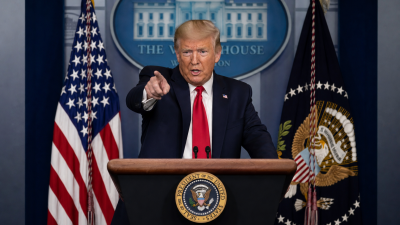
President Trump, speaking to reporters on Wednesday, described the current state of negotiations as hovering on the “borderline” between reaching an agreement and a renewed phase of military action. This characterisation, while ambiguous, was interpreted by financial markets as a signal that a deal remains possible, triggering a sharp drop in oil prices and a rally in global equities.
The Core Sticking Point: Uranium Enrichment
The fundamental disagreement between Washington and Tehran centres on Iran’s nuclear enrichment capabilities. The United States has consistently demanded that Iran permanently dismantle its enrichment facilities at Natanz, Fordow, and Isfahan, arguing that this is the only way to credibly verify Iran’s claim that its nuclear programme is purely civilian in nature.
US Special Envoy Steve Witkoff has emphasised that Iran must permanently end its enrichment programme, including the physical dismantling of centrifuge infrastructure. American officials have framed this as a non-negotiable condition, pointing to Iran’s steady advancement of enrichment levels toward weapons-grade purity as evidence that half-measures are insufficient.
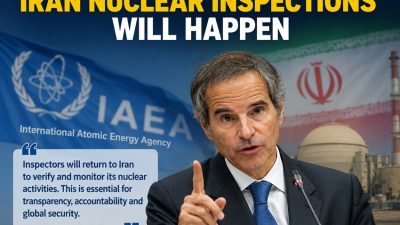
Iran has taken a fundamentally different position, maintaining that while it is willing to limit enrichment levels and accept enhanced international inspections, giving up enrichment entirely is unacceptable. Iranian officials view enrichment capability as a sovereign right under the Nuclear Non-Proliferation Treaty and argue that a complete dismantlement demand goes beyond what is required under international law.
Regional Context and the Broader West Asia Crisis
The nuclear negotiations are unfolding against the backdrop of a broader regional crisis that has drawn in multiple countries and disrupted global trade flows. The West Asia conflict has threatened critical shipping routes through the Strait of Hormuz, through which approximately 20 per cent of the world’s oil supply passes daily. Any military escalation in the region could trigger a catastrophic disruption to global energy markets.
The earlier cancellation of a planned US military strike on Iran, following intervention by Saudi Arabia, Qatar, and UAE leaders, demonstrated the razor-thin margin between diplomacy and conflict. Gulf states have been actively encouraging both sides to continue talking, recognising that any military escalation would devastate their own economies and destabilise the entire region.
During a speech on 10 May, Supreme Leader Khamenei appeared to support chants of “death to America” at a public event, a development that hardened sceptics in Washington who question whether Iran’s leadership is genuinely committed to reaching an agreement. However, the subsequent announcement that Iran is reviewing the latest US proposal suggests that pragmatic elements within the Iranian government continue to push for a diplomatic resolution.
Impact on Global Energy Markets and India
The diplomatic signals from Tehran triggered a sharp market response. Crude oil prices dropped over 5 per cent on Wednesday, with Brent crude falling from above 111 dollars per barrel to near 105 dollars. While prices edged up slightly on Thursday, the overall direction represented significant relief for oil-importing nations.
For India, which is the world’s third-largest oil importer, the stakes of these negotiations are enormous. The sustained period of elevated oil prices has contributed to the rupee’s fall to record lows, widened the current account deficit, pushed inflation higher, and forced the government to implement politically painful fuel price increases. A successful resolution of the West Asia crisis that brings oil prices down sustainably below 90 dollars would be transformative for India’s macroeconomic outlook.
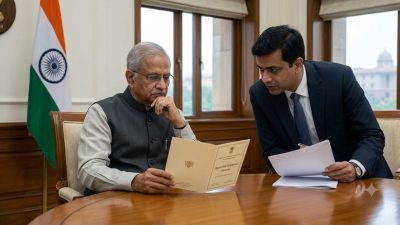
Indian diplomatic sources have indicated that New Delhi has been quietly engaging with both sides, leveraging India’s strong relationships with Iran, the Gulf states, and the United States to encourage continued negotiations. India’s unique position as a country that maintains constructive ties with all the major players in the region gives it potential influence as a back-channel mediator.
Scepticism and the Track Record of Failed Talks
Despite the cautiously optimistic signals, experienced diplomats and regional analysts urge restraint. The Iran-US negotiations have produced several moments of apparent progress that subsequently collapsed. The gap between the two sides’ positions on enrichment remains vast, and domestic political pressures in both countries complicate any leader’s ability to make the concessions necessary for a deal.
In the United States, hardliners in Congress have introduced legislation that would impose additional sanctions on Iran regardless of any agreement, potentially undermining any deal before it can be implemented. In Iran, conservative factions aligned with the Islamic Revolutionary Guard Corps view any significant concession as a capitulation that would weaken national security.
What Comes Next
The timeline for Iran’s response to the latest US proposal remains unclear. Previous rounds of negotiations have involved weeks of internal deliberation within the Iranian government before formal responses are communicated. A sixth round of talks has not been officially scheduled, though both sides have indicated willingness to continue the process.
The world will be watching closely in the coming days for any signals from Tehran about the substance of its review. A constructive response that acknowledges the need for compromise on enrichment could open the door to an accelerated negotiation process. Conversely, a rejection of the US proposal’s key terms could push both countries back toward the brink of military confrontation, with devastating consequences for the global economy and particularly for energy-dependent nations like India. The coming weeks may well determine whether 2026 is remembered as the year the West Asia crisis was resolved or the year it escalated beyond diplomatic control.
Explore more: Culture & Lifestyle | International

- Indian Army Gets New Chief as General Dwivedi Hands Over Command Amid Push for Indigenous Defence Tech - July 1, 2026
- Ayodhya Ram Temple Donation Scandal Deepens as Trustees Resign and SIT Arrests Eight - June 29, 2026
- Bengal Seven Weeks On: Modi’s Historic Win and the Questions That Won’t Go Away - June 28, 2026