RBI Approves Record ₹2.87 Lakh Crore Dividend to Government for FY26 — 7% Jump Over Last Year

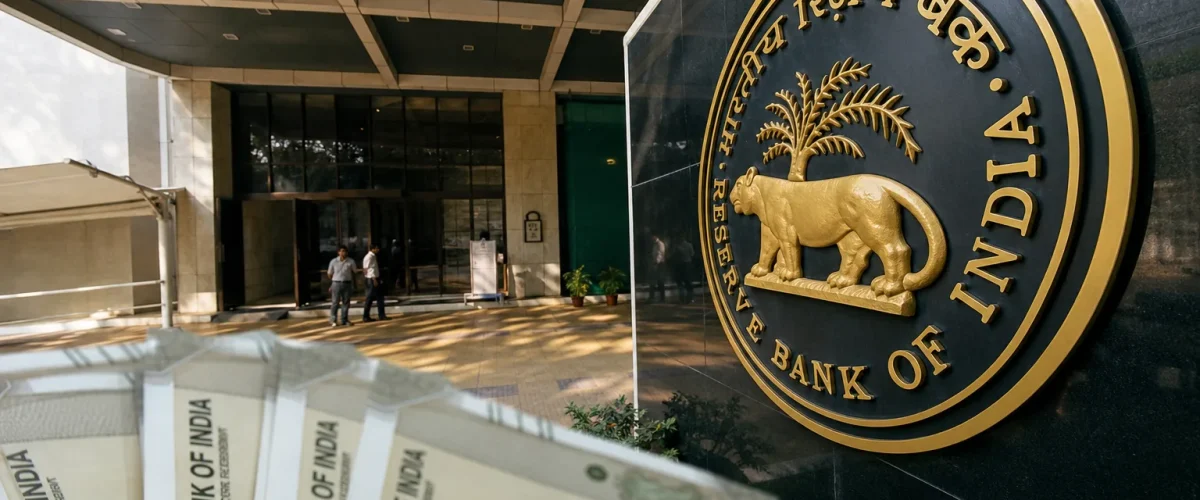
The Reserve Bank of India (RBI) has approved a record surplus transfer of ₹2,86,588.46 crore (approximately ₹2.87 lakh crore or $31.2 billion) to the Central Government for the accounting year 2025–26 — a 7% increase over last year’s ₹2.7 lakh crore dividend and the largest payout in the central bank’s 91-year history.
The Board’s Decision
The transfer was approved at a meeting of the RBI Central Board of Directors held on Friday under the chairmanship of Governor Sanjay Malhotra. The board also decided to lower the contingency risk buffer (CRB) — funds set aside to protect the central bank’s balance sheet from financial volatility — from 7.5% to 6.5% of its total assets.
This reduction in the CRB released additional funds for transfer to the government. The move aligns with the recommendations of the Bimal Jalan Committee (2019), which suggested maintaining the CRB within a band of 5.5%–6.5% of the RBI’s balance sheet. By moving to the upper end of this band, the RBI has balanced fiscal support with financial prudence.
Where Did the Record Surplus Come From?
The RBI generates income from several sources, with the key contributors to this year’s bumper surplus being:
- Foreign Exchange Operations: With the rupee depreciating from approximately ₹83 to ₹87 per dollar during FY26, the RBI’s dollar-denominated assets generated substantial revaluation gains when converted to rupees
- Interest Income on Government Securities: The RBI holds a massive portfolio of government bonds. With yields having risen during the year, interest income increased accordingly
- Open Market Operations (OMOs): The RBI’s active intervention in bond markets through OMOs and Variable Rate Reverse Repos (VRRRs) generated trading profits
- Gold Revaluation: International gold prices surging above $3,200 per ounce contributed to mark-to-market gains on the RBI’s gold reserves (approximately 876.18 tonnes)
Fiscal Impact and Government’s Revenue Boost
The ₹2.87 lakh crore transfer comes as a significant relief for the government at a time when fiscal pressures are mounting due to the West Asia oil crisis. The Budget for 2026–27 had assumed an RBI dividend of approximately ₹2.5 lakh crore, meaning the actual transfer exceeds estimates by nearly ₹37,000 crore.
This windfall gives Finance Minister Nirmala Sitharaman additional fiscal headroom to:
- Absorb the oil price shock: With OMCs needing support to limit fuel price hikes, the additional revenue provides a cushion for potential excise duty cuts or direct subsidies
- Maintain capital expenditure: The government’s ambitious ₹11.11 lakh crore capex target for FY27 remains on track with this revenue boost
- Manage fiscal deficit: The target of 4.4% of GDP looks more achievable with the higher-than-expected dividend inflow
Market Reaction
Bond markets responded positively to the news, with the 10-year government bond yield easing by 5 basis points to 6.78% on expectations of reduced government borrowing. Equity markets also saw a minor uptick, with banking stocks — particularly SBI and Bank of Baroda — gaining on hopes of improved government liquidity translating into higher spending.
However, some analysts have flagged concerns about the CRB reduction. “While the ₹2.87 lakh crore is welcome, lowering the risk buffer to 6.5% leaves the RBI with less of a cushion against balance sheet shocks — particularly if global financial volatility increases,” said Madan Sabnavis, chief economist at Bank of Baroda.
Historical Context: RBI Dividends Over the Years
| Year | Dividend (₹ Lakh Crore) |
|---|---|
| FY20 | 0.57 |
| FY21 | 0.99 |
| FY22 | 0.30 |
| FY23 | 0.87 |
| FY24 | 2.11 |
| FY25 | 2.70 |
| FY26 | 2.87 |
The jump from ₹0.30 lakh crore in FY22 to ₹2.87 lakh crore in FY26 reflects the RBI’s expanded balance sheet, favourable currency movements, and the revised surplus distribution framework recommended by the Jalan Committee.
What It Means for You
For ordinary citizens, the RBI’s record dividend is important because it directly impacts the government’s ability to spend on infrastructure, subsidies, and welfare programs without excessive borrowing. Higher borrowing leads to higher interest rates, which makes home loans, car loans, and business credit more expensive. A well-funded government, by contrast, can keep borrowing costs in check and maintain developmental spending.
Read more Economy and Markets news on Daily Tips.
Related Articles
- Venezuela Overtakes Saudi Arabia and US to Become India Third Largest Crude Oil Supplier in May 2026 Amid West Asia Crisis
- India Electricity Demand Hits All-Time Record as Severe Heatwave Pushes Delhi to 43 Degrees Celsius and Power Grid Faces Unprecedented Strain
- RBI Keeps Repo Rate Unchanged at 5.25 Percent as Monetary Policy Committee Projects GDP Growth at 6.9 Percent Amid Global Uncertainty

- Fentanyl Vaccine Breakthrough: Scripps Research Develops Shot That Blocks Deadly Overdoses Before They Reach the Brain - June 13, 2026
- Nipah Virus Returns to Kerala — First Case of 2026 Confirmed, State Declares High Alert - June 12, 2026
- Jill Biden Reveals She Wanted to Keep PM Modi’s 7.5-Carat Diamond Gift but Returned It After State Department Valued It at $20,000 - June 8, 2026