US Launches Fresh Strikes on Iranian Military Site Near Strait of Hormuz as Both Sides Edge Closer to Ceasefire Framework

Pentagon Confirms Strikes After Iran Launches Drones Near Strategic Waterway
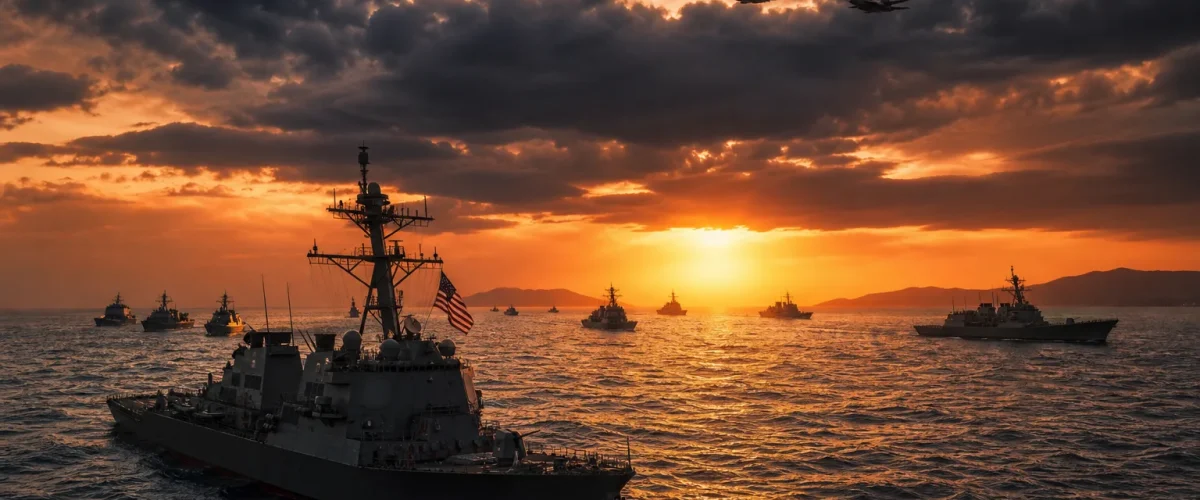
The United States military carried out fresh airstrikes on an Iranian military site near Bandar Abbas, the strategic port city overlooking the Strait of Hormuz, early on Thursday morning in what the Pentagon described as a defensive response to Iranian drone launches targeting US forces in the region. US Central Command confirmed its forces shot down four Iranian one-way attack drones it said posed an immediate threat around the strait before targeting the Iranian ground control station that was preparing to launch a fifth drone.
The overnight strikes occurred in the context of an increasingly complex military and diplomatic landscape, as Iranian state television simultaneously reported that both sides had agreed on the framework of a memorandum of understanding that could end hostilities and restore shipping through the strategic waterway. The United States, however, quickly pushed back on the Iranian claims, with the State Department calling parts of the reported deal “complete fabrication” while acknowledging that negotiations were ongoing through back channels.
Trump Sends Mixed Signals on Negotiations
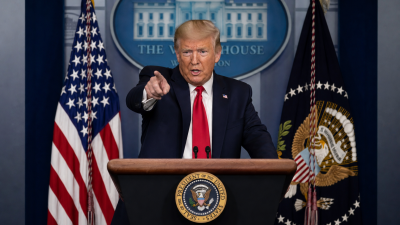
President Donald Trump, speaking during a Cabinet meeting at the White House on Wednesday evening, said he was “making progress” in negotiations to end the conflict with Iran but rejected the Iranian state TV report suggesting he might agree to a deal that would restore shipping through the Strait of Hormuz to pre-war levels within a month. Trump struck an aggressive tone, warning that any nation attempting to control the strategic waterway would face devastating consequences.
“We are going to get a deal, and it’s going to be a great deal. But I didn’t do this to get a crummy agreement. If anybody tries to control the Strait, we will blow them up. That includes everybody,” Trump said, in remarks that appeared to be directed at both Iran and regional actors including Oman, which Iran had reportedly proposed as a co-manager of shipping traffic through the waterway.
The threat against Oman drew immediate concern from Gulf Cooperation Council members, with the Omani Foreign Ministry issuing a rare public statement expressing “deep concern” over the remarks and reaffirming its position as a neutral mediator. Oman has historically played a back-channel role in US-Iran diplomacy, and its inclusion in Trump’s warning rattled regional allies who see Muscat as essential to any lasting peace agreement.
Details of the Emerging Deal Framework
Despite the belligerent rhetoric on both sides, multiple diplomatic sources confirmed to international media outlets that a framework agreement has been substantially negotiated between US and Iranian officials through Omani intermediaries. The reported framework includes several key provisions that, if finalised, would represent a significant de-escalation of the conflict that has disrupted global shipping and driven oil prices to multi-year highs.
According to reports citing diplomatic sources, the framework envisages a phased restoration of shipping through the Strait of Hormuz over a 30-day period, with international naval forces providing security guarantees. Iran would commit to ceasing all mine-laying operations and drone attacks on commercial vessels, while the United States would suspend its offensive air operations against Iranian military installations. The framework also reportedly includes provisions for the eventual lifting of some sanctions on Iranian oil exports, though the specific timeline and conditions remain under negotiation.
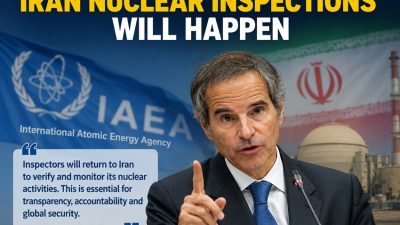
The proposed deal does not address Iran’s nuclear programme or its support for regional proxy groups, which the United States has identified as core concerns. Critics of the emerging framework argue that it would amount to a tactical ceasefire that leaves the fundamental sources of US-Iran tension unresolved, while proponents say it would provide immediate relief to global shipping and energy markets that have been roiled by months of disruption.
Impact on India and Global Energy Markets
The ongoing US-Iran conflict has had significant implications for India, which depends on the Strait of Hormuz for approximately 60 per cent of its crude oil imports. The disruption to shipping through the waterway has contributed to elevated crude oil prices, which in turn have driven up domestic fuel costs and contributed to inflationary pressures across the Indian economy.
Moody’s Ratings this week identified Indian banks as “highly exposed” to Middle East crisis risks due to the country’s significant energy import dependence, warning that sustained high oil prices could pressure inflation, interest rates and borrower cash flows, potentially impacting loan quality across the banking sector.
The recent surge in CNG prices in India is directly linked to the geopolitical disruption, and the ongoing conflict has also been cited as a factor in the recent volatility in Indian stock markets, with foreign institutional investors pulling out Rs 27,000 crore in May alone. A resolution to the Strait of Hormuz crisis would provide significant relief to the Indian economy.
Regional Dimensions — Kuwait Activates Air Defences
The overnight military exchanges drew in additional regional actors, with Kuwait’s military announcing that it had activated its air defence systems in response to a drone and missile attack. Iran’s Islamic Revolutionary Guard Corps said the attack on an unspecified air base in the Persian Gulf region came in response to the US strikes near Bandar Abbas, marking a significant escalation of the tit-for-tat cycle that has characterised the conflict in recent weeks.
The involvement of Kuwait raises concerns about the potential widening of the conflict beyond the bilateral US-Iran dynamic. Gulf states, many of which host American military bases, have sought to maintain a delicate balance between their security partnerships with Washington and their diplomatic relationships with Tehran. The prospect of being drawn directly into the crossfire has prompted several Gulf nations to accelerate their own diplomatic outreach to Iran.
Prospects for a Ceasefire
Despite the continuing military exchanges, diplomatic observers believe the trajectory is towards a ceasefire rather than further escalation. The economic costs of the conflict — elevated oil prices, disrupted supply chains, and the diversion of military resources — are mounting for both sides. Iran’s economy, already under severe sanctions pressure, has been further weakened by the direct military confrontation, while the United States faces domestic political pressure over rising gasoline prices ahead of the 2026 midterm elections.
The coming days are expected to be critical. If the reported framework deal gains traction, a formal ceasefire announcement could come as early as next week. However, the history of US-Iran diplomacy is littered with near-deals that collapsed at the last moment, and the hard-line factions on both sides have strong incentives to torpedo any agreement they perceive as too conciliatory.
Explore more: International
Related Articles
- CNG Prices Hiked by Rs 2 Per Kg in Delhi — Third Increase in Under Two Weeks as Iran War Drives Energy Costs Higher
- Sensex Drops Over 150 Points as US Renews Strikes on Iran — Brent Crude Rises and FIIs Pull Back
- Ebola Crisis in Congo Surpasses 1,000 Confirmed Cases as Uganda Closes Border — India Sends Emergency Medical Supplies

- India’s Startup Funding Crosses $7.2 Billion in H1 2026 - July 1, 2026
- After Ireland Shock, India’s T20I Side Faces Bigger Test - July 1, 2026
- Ireland Stun World Champions India 2-0 in Belfast, Sooryavanshi Debate Rages On - June 29, 2026