US and Iran Reach Tentative 60-Day Ceasefire Deal — Strait of Hormuz to Reopen Within 30 Days as Nuclear Talks Begin

In a significant breakthrough amid months of escalating military tensions, US and Iranian negotiators have reached a tentative agreement to extend the ceasefire in the three-month-old conflict by 60 days and launch formal negotiations on Iran’s nuclear programme. The deal, announced on May 28, comes at a critical juncture — fresh American airstrikes near the Iranian port city of Bushehr had threatened to unravel the fragile truce entirely.
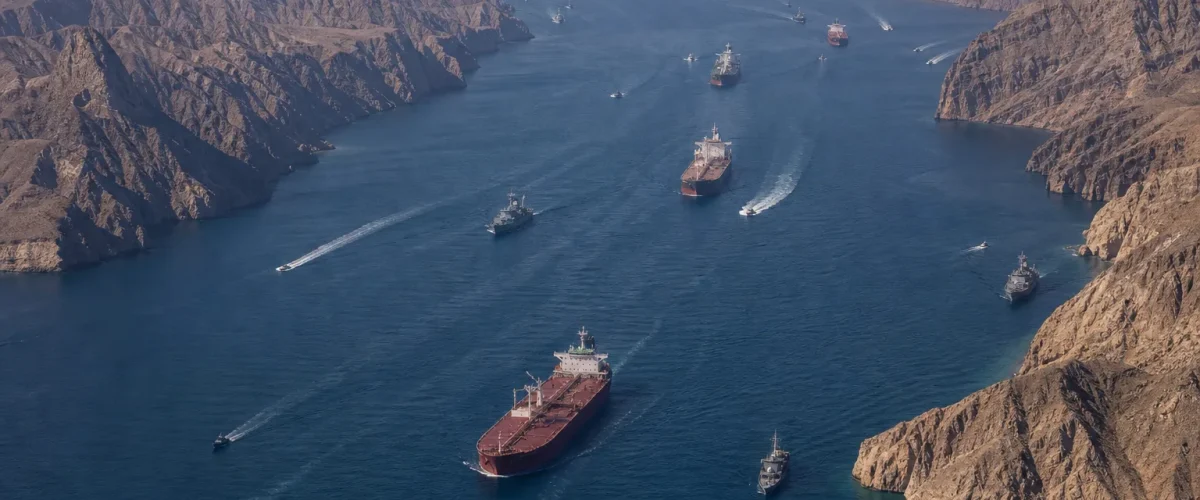
According to a US official familiar with the matter, the terms reportedly include an agreement to reopen the Strait of Hormuz — the world’s most important oil chokepoint — within 30 days. In exchange, the United States will lift its naval blockade of Iranian ports, a move that could ease global energy markets and bring crude oil prices down from their elevated levels.
The Deal Framework
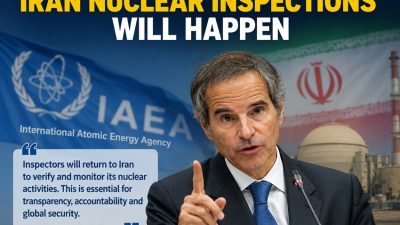
The tentative agreement, brokered through Omani mediation channels, includes several key provisions. Iran would agree to temporarily lower its uranium enrichment to 3.67% — the level permitted under the 2015 JCPOA agreement — in return for access to frozen financial assets in the United States and authorisation to resume oil exports. The enrichment cap represents a significant concession, given that Iran had enriched uranium to near-weapons-grade 60% purity in recent months.
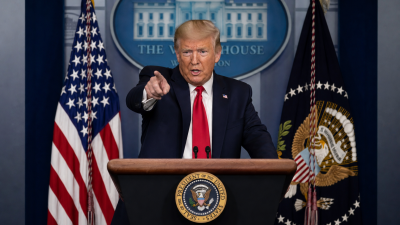
President Donald Trump, speaking after a cabinet meeting on May 27, said both sides were “close to finalising” a broader agreement involving “strong inspections” of Iranian nuclear facilities. “No single nation will be allowed to control the Strait of Hormuz,” Trump stated, underscoring one of the central demands that has driven American military action in the region since March 2026.
Iran’s Foreign Minister Abbas Araghchi struck a more cautious tone, stating he was “unsure whether a deal was imminent.” Supreme Leader Ali Khamenei’s advisor, Ali Shamkhani, dismissed Trump’s desired level of control over the Iranian nuclear programme as a “fantasy,” suggesting that significant gaps remain between the two sides.
Fresh Strikes Test the Truce
Even as negotiators worked toward the ceasefire extension, the military situation on the ground remained volatile. The US conducted new airstrikes in southern Iran on May 28, targeting military installations near Bandar Abbas — a major Iranian naval base that guards the Strait of Hormuz. Iran, in a dramatic escalation, claimed it had downed an American aircraft near Bushehr, though US Central Command (CENTCOM) denied the claim.
Defence analysts note that these tit-for-tat strikes represent both sides testing the boundaries of the ceasefire while simultaneously negotiating its extension. “The strikes will erode Iran’s deterrence capability,” said a senior analyst at the Institute for the Study of War, “but they also risk pushing hardliners on both sides to derail the diplomatic track.”
Merchant shipping has already begun avoiding the Strait of Hormuz following the renewed strikes. Through the strait flows approximately 20% of the world’s daily oil supply — roughly 17 million barrels per day. Any prolonged disruption to this critical waterway has immediate ramifications for global energy prices and, by extension, for major oil-importing nations like India.
Impact on India and Global Energy Markets
India, which imports over 85% of its crude oil, has been among the countries most affected by the US-Iran confrontation. The conflict has pushed Brent crude above $100 per barrel at multiple points since March, though prices softened 3.5% to $93 per barrel on May 28 amid hopes of a ceasefire deal. Average US gas prices have also eased to $4.43 per gallon, down around $0.13 from the previous week.
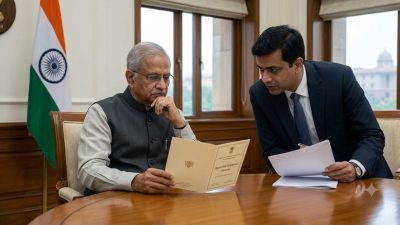
For India, a successful reopening of the Strait of Hormuz could provide relief to the country’s current account deficit and help ease inflationary pressures. The Indian petroleum ministry has been in close contact with Gulf suppliers to ensure alternative routing arrangements remain in place as a contingency. India’s strategic petroleum reserves — currently at roughly 90% capacity following emergency fill-ups in April — provide a buffer, but sustained price elevation would strain the fiscal budget.
The rupee, which weakened past 87 against the dollar during the worst of the Hormuz crisis in April, recovered to around 85.4 on hopes of the ceasefire deal. Stock markets also responded positively, with the Nifty 50 holding steady while metals and power sectors showed gains.
The Nuclear Dimension
The most consequential aspect of the tentative deal is the agreement to launch nuclear talks — the first substantive negotiations since the original JCPOA collapsed in 2018 when Trump withdrew the US from the agreement during his first term. The 2025-2026 US-Iran negotiation track began with a Trump letter to Khamenei in April 2025, followed by multiple rounds of talks that produced limited results until the military confrontation dramatically raised the stakes.
According to reports, the US demands include Iran fully dismantling its nuclear programme, halting all enrichment, and ending support for regional proxy groups including Hezbollah and the Houthis. Compliance is required within two months, with the offer of full sanctions relief and normalisation of relations as incentive. Iran views several of these demands as non-starters but has shown willingness to negotiate on enrichment levels and inspection protocols.
The international community has watched the negotiations with a mixture of hope and scepticism. The European Union offered to mediate, while China and Russia — both signatories to the original JCPOA — called for an immediate ceasefire without preconditions. Israel, which launched large-scale attacks targeting Iran’s military leadership and nuclear scientists in June 2025, remains deeply sceptical of any agreement that leaves Iran’s nuclear infrastructure intact.
What Happens Next
The tentative deal must still be formalised by both governments. Trump has indicated he wants a “memorandum of understanding” signed within days, while Iranian officials suggest the timeline could stretch longer. The 60-day ceasefire extension, if implemented, would provide breathing room through late July — potentially allowing enough time for a framework nuclear agreement.
However, spoilers abound. Hardliners in Tehran’s Revolutionary Guard and hawks in Washington could both seek to undermine the diplomatic track. The conflict, which began with US strikes on Iranian military positions in March 2026 following a breakdown in earlier negotiations, has already claimed hundreds of lives and disrupted global supply chains.
For now, the world watches cautiously as diplomacy and military action continue their uneasy coexistence in one of the most volatile regions on Earth. The next 48 hours will be crucial in determining whether this tentative breakthrough translates into a genuine de-escalation or joins the long list of Middle Eastern false dawns.
Related Articles
- US Launches Fresh Strikes on Iranian Military Site Near Strait of Hormuz
- US-Iran 60-Day Truce Draft Emerges as Rubio Says World May Get Good News in Hours
- Sensex Drops Over 150 Points as US Renews Strikes on Iran — Brent Crude Rises
- Quad Foreign Ministers Meet in New Delhi — Jaishankar Hosts Rubio, Wong and Motegi

- India’s Startup Funding Crosses $7.2 Billion in H1 2026 - July 1, 2026
- After Ireland Shock, India’s T20I Side Faces Bigger Test - July 1, 2026
- Ireland Stun World Champions India 2-0 in Belfast, Sooryavanshi Debate Rages On - June 29, 2026