US-Iran 60-Day Truce Draft Emerges as Rubio Says World May Get Good News in Hours

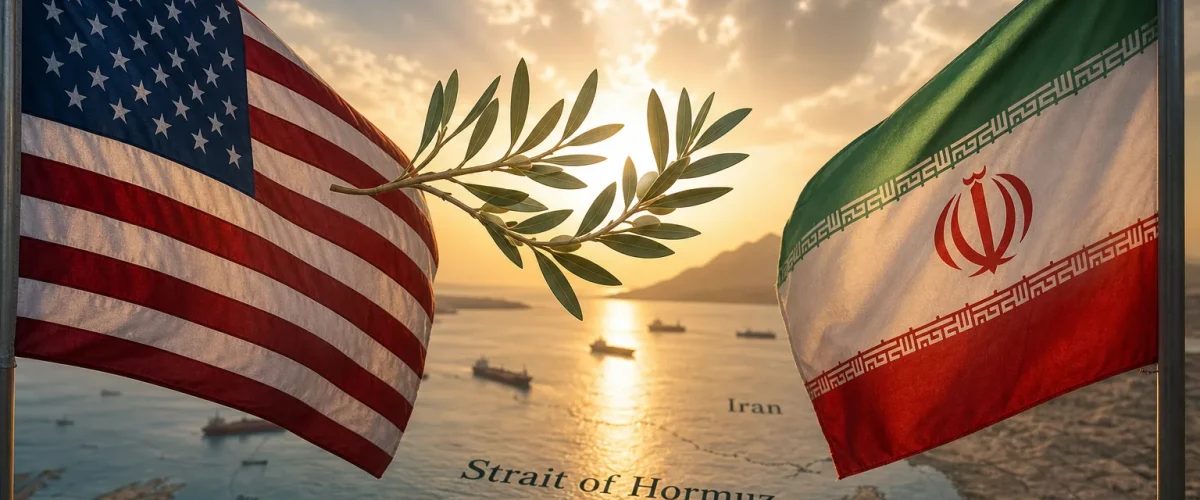
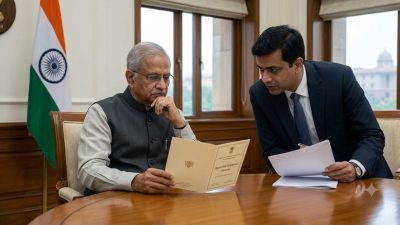
In what could mark the most significant diplomatic breakthrough of 2026, a draft peace agreement between the United States and Iran has surfaced, proposing a 60-day truce designed to test nuclear concessions and potentially end months of military escalation in the Persian Gulf region. US Secretary of State Marco Rubio, currently on a four-day visit to India, told reporters alongside External Affairs Minister S. Jaishankar that “the world may get some good news in the next few hours.”
Key Terms of the Draft Agreement
According to multiple reports from Axios and India Today, the draft agreement includes several landmark provisions that, if finalised, would reshape the geopolitical landscape of the Middle East:
- No nuclear weapons commitment: Iran has reportedly agreed to never pursue nuclear weapons — a fundamental demand that the US has pushed for decades. However, the specifics of enrichment curbs remain verbal assurances rather than written clauses, leaving room for further negotiation.
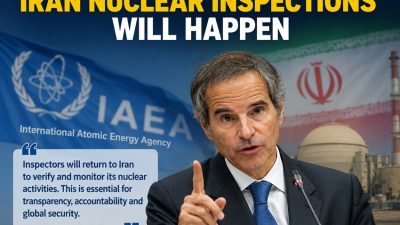
- Enriched uranium transfer: Under the proposed deal, Iran would hand over its stockpile of enriched uranium either to the United States directly or to an internationally supervised arrangement. This addresses long-standing concerns from the International Atomic Energy Agency (IAEA) about Iran’s enrichment levels, which have far exceeded the 3.67% cap set under the 2015 JCPOA.
- Sanctions relief linked to action: Unlike previous negotiations where sanctions relief was offered upfront, this deal ties the easing of economic sanctions to tangible, verifiable actions by Tehran during the 60-day truce window.
- US military presence: American troops will remain deployed in the region until a final deal is formally signed, providing a security guarantee to Gulf allies who have expressed concern about a premature withdrawal.
The Strait of Hormuz Dispute
One of the most contentious points in the negotiations centres on the Strait of Hormuz, through which approximately 20% of the world’s oil passes daily. While there is reportedly a broad understanding to reopen the strait to pre-conflict shipping levels, Iran has insisted on administrative authority and a toll system over the waterway.
Secretary Rubio publicly rejected this demand during his Delhi press conference, calling it “internationally unacceptable.” The US position is that the Strait of Hormuz is an international waterway governed by the United Nations Convention on the Law of the Sea (UNCLOS), and no single nation can impose tolls on transit passage.
This disagreement could prove to be the deal-breaker. Iran views control over Hormuz as a matter of territorial sovereignty and economic leverage, while the US and its Arab allies see any toll mechanism as a dangerous precedent that could disrupt global energy markets.
Impact on India and Global Oil Markets
For India — the world’s third-largest oil consumer — a successful truce would bring immediate relief. The West Asia conflict has already pushed Brent crude above $105 per barrel, contributing to three rounds of fuel price hikes in India within just 10 days. A reopening of Hormuz at full capacity could bring prices down by $15–20 per barrel within weeks, according to analysts at Goldman Sachs.
India’s strategic petroleum reserves, which currently hold about 39 days of import cover, have been under strain. The government has also been diversifying oil sources — with Venezuela recently overtaking Saudi Arabia as India’s third-largest supplier — but a peaceful resolution in the Gulf remains the most impactful solution for energy security.
Diplomatic Context: Rubio’s India Visit
Rubio’s four-day India trip, which began with a visit to Mother Teresa’s Missionaries of Charity in Kolkata, has been packed with diplomatic activity. After flying to Delhi, he held bilateral talks with Jaishankar covering a wide range of issues: the Iran situation, US tariffs on Indian goods, defence cooperation, and preparations for the Quad Foreign Ministers’ meeting scheduled for Tuesday in Delhi.
“The US and India are not just allies — we are strategic allies,” Rubio declared at the joint press conference, signalling Washington’s intent to deepen the partnership despite trade tensions. Rubio is also scheduled to visit Agra and Jaipur before wrapping up his trip on May 26.
What Happens Next
The 60-day truce, if agreed upon, would serve as a confidence-building period during which both sides would be expected to demonstrate good faith. Iran would begin the process of transferring enriched uranium, while the US would initiate preliminary sanctions relief on humanitarian goods and frozen Iranian assets.
However, significant hurdles remain. The toll dispute over Hormuz, verification mechanisms for nuclear compliance, and the role of Iran’s Revolutionary Guard Corps (IRGC) in any post-deal security arrangement are all unresolved. Additionally, hardliners in both Tehran and Washington could push back against concessions they view as too generous.
The coming hours, as Rubio suggested, could determine whether the world moves closer to peace in the Gulf — or whether these negotiations join the long list of failed US-Iran diplomatic efforts. For now, global markets, oil importers, and millions of citizens caught in the crossfire are watching with cautious hope.
Explore more International news on Daily Tips.
Related Articles
- Russia Launches Largest Nuclear Military Exercises in Years Mobilizing 65000 Troops and 200 Missile Launchers as NATO Tensions Escalate
- Trump Scraps AI Executive Order at Last Minute After David Sacks Raises Concerns About Hurting US Tech Dominance
- Trump Says Iran Crisis May Keep Him From Attending Son Donald Jr’s Destination Wedding in Bahamas as West Asia Tensions Continue

- Indian Army Gets New Chief as General Dwivedi Hands Over Command Amid Push for Indigenous Defence Tech - July 1, 2026
- Ayodhya Ram Temple Donation Scandal Deepens as Trustees Resign and SIT Arrests Eight - June 29, 2026
- Bengal Seven Weeks On: Modi’s Historic Win and the Questions That Won’t Go Away - June 28, 2026