US-Iran Framework Is Not a Final Peace Deal, White House Clarifies — Nuclear Talks Begin After June 19


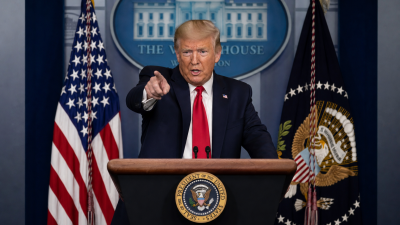
The White House has moved to clarify that the much-heralded US-Iran agreement is a framework document — not a final peace deal — in a significant tempering of expectations that followed President Trump’s dramatic announcement of the breakthrough. The clarification, delivered by senior White House officials, acknowledges that the memorandum of understanding set for formal signing in Geneva on June 19 merely establishes the parameters for future negotiations, particularly on the critical question of Iran’s nuclear programme.
“The signing on June 19 represents a framework — a starting point, not an end point,” a senior administration official told reporters. “The substantive negotiations, particularly on the nuclear file, begin after the signing. Sanctions relief will be tied to verifiable compliance milestones, and we expect these negotiations to take months, not days.”
What the Framework Does — and Doesn’t — Include
The framework, as described by US officials, establishes several concrete commitments: an immediate ceasefire between US and Iranian forces, the reopening of the Strait of Hormuz to international shipping, and the establishment of a UN-supervised monitoring mechanism to verify compliance. These elements are intended to produce immediate relief from the military conflict and its economic consequences, particularly the disruption to global energy markets.
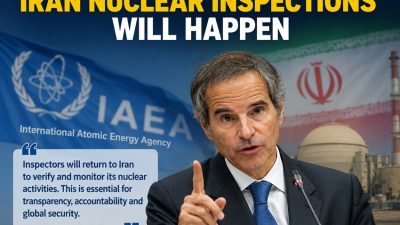
What the framework does not include is a resolution of the nuclear question — the central strategic issue that has defined the US-Iran relationship for two decades. Iran’s enrichment capabilities, its stockpile of enriched uranium, and the future of its nuclear infrastructure will all be subjects of negotiations that begin after the Geneva signing. The timeline, scope, and verification mechanisms for any nuclear agreement remain entirely undefined.
Similarly, the framework commits Iran to ceasing support for regional proxy groups — including Hezbollah, various Iraqi militias, and the Houthis in Yemen — but provides no specific timeline or verification mechanism for this commitment. Given that proxy networks are deeply embedded in the political and military structures of multiple countries, enforcement of this provision will be extraordinarily complex.
Why the Clarification Matters
The White House’s clarification comes amid growing scrutiny from multiple directions. US Senators from both parties have expressed frustration at the lack of detail about the agreement’s terms. Democrats demanded an immediate briefing, while even Republican allies of the President conceded they had no information on an agreement the administration had declined to release publicly.
The text of the memorandum of understanding has not been made public, raising transparency concerns and fuelling speculation about side deals or undisclosed commitments. The lack of public access to the agreement’s terms makes it impossible for Congress, analysts, or the public to evaluate whether the framework adequately addresses US national security interests.
Internationally, the clarification is aimed at managing expectations that had been raised by the dramatic nature of the announcement. Global markets rallied sharply on the news, with oil prices dropping more than 4 percent and equity markets surging — reactions that were predicated on the assumption that the conflict was effectively over. The White House’s acknowledgment that months of negotiations remain introduces uncertainty that could temper some of that market optimism.
Iran’s Interpretation: ‘Dignified Peace’
Iranian state media has characterised the framework as a “dignified peace” that protects Iran’s sovereignty and core interests. However, the internal Iranian response has been mixed. Pragmatists view the framework as an opportunity to rebuild an economy devastated by war and sanctions, while hardliners express concern that the nuclear negotiations could lead to unilateral disarmament under US pressure.
The fact that the framework does not require immediate nuclear concessions has been presented domestically as evidence that Iran negotiated from a position of strength. However, the phased sanctions relief structure — where economic benefits are tied to future compliance milestones — means that Iran will face ongoing pressure to make concessions in areas its leadership considers non-negotiable.
The Unanswered Questions
Several critical questions remain unanswered as the Geneva signing approaches. What happens if the nuclear negotiations fail? Is the ceasefire contingent on progress in nuclear talks, or does it stand independently? How will Iran’s compliance with the proxy commitment be verified? What role will Israel play — or refuse to play — in the broader framework?
The history of US-Iran diplomacy is littered with agreements that collapsed under the weight of mutual distrust, domestic political pressures, and the fundamental incompatibility of the two sides’ strategic objectives. The 2015 JCPOA nuclear deal — the most comprehensive US-Iran agreement in decades — was abandoned by Trump during his first term, a precedent that casts a long shadow over the current framework.
As the world waits for June 19, the clarification serves as a reminder that in diplomacy, the devil is always in the details — and most of the details of the US-Iran framework are yet to be written.
Also Read
- US-Iran Peace Deal Framework Finalised — Geneva Signing Set for June 19, Hormuz to Reopen
- US and Iran Reach Tentative 60-Day Ceasefire Deal — Strait of Hormuz to Reopen Within 30 Days as Nuclear Talks Begin
- US Launches Fresh Strikes on Iranian Military Site Near Strait of Hormuz as Both Sides Edge Closer to Ceasefire Framework
- Trump Announces Iran Peace Deal for Sunday — Hormuz Strait to Reopen as War Nears End
- Trump Claims US-Iran Peace Deal in ‘Final Throes’ — Says Agreement Could Be Reached Within Days

- Indian Army Gets New Chief as General Dwivedi Hands Over Command Amid Push for Indigenous Defence Tech - July 1, 2026
- Ayodhya Ram Temple Donation Scandal Deepens as Trustees Resign and SIT Arrests Eight - June 29, 2026
- Bengal Seven Weeks On: Modi’s Historic Win and the Questions That Won’t Go Away - June 28, 2026