Trump Tells Netanyahu He Has No Choice but to Accept Iran Peace Deal — Says He Calls All the Shots in US-Israel Relations

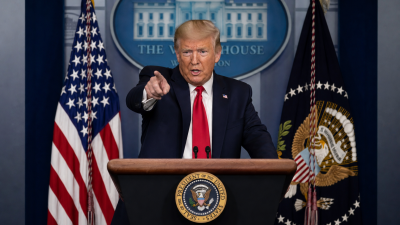
US President Donald Trump has issued a stark warning to Israeli Prime Minister Benjamin Netanyahu, declaring that Netanyahu has “no choice” but to accept whatever peace agreement Washington reaches with Iran to end the ongoing military conflict in the Middle East. In a phone interview with The Financial Times published on Sunday, 8 June 2026, Trump asserted unequivocal American control over the direction of the conflict, stating bluntly: “I call the shots. I call all the shots. He doesn’t call the shots.”
The remarks represent one of the most explicit public assertions of US dominance over the Israel relationship in recent memory, and come at a critical juncture when Washington is reportedly close to finalising a memorandum of understanding with Tehran that could bring an end to the hostilities that have roiled global energy markets and threatened stability across West Asia since mid-2025.
Background: The Iran-Israel Conflict
The current conflict traces its origins to the collapse of US-Iran nuclear negotiations in 2025. After Trump set a 60-day deadline for Iran to accept a nuclear deal in April 2025 and the deadline passed without agreement, Israel launched large-scale strikes against Iran’s military infrastructure and nuclear facilities in June 2025, igniting a broader regional war.
Iran responded by deploying its network of proxy forces — including Hezbollah in Lebanon and the Houthis in Yemen — and by imposing a blockade on the Strait of Hormuz, a chokepoint through which approximately 20 per cent of the world’s oil supply passes. The blockade sent global crude prices soaring and contributed to the energy price crisis that forced governments, including India’s, to introduce fuel stabilisation measures.
Talks between the US and Iran resumed in early 2026 after large-scale protests in Iran and growing economic pressure from sanctions. By May 2026, reports indicated that a broader peace framework was nearing completion, with Trump stating that a memorandum of understanding was close to finalisation and suggesting the Strait of Hormuz could reopen under a ceasefire framework.
Trump’s Ultimatum to Netanyahu
In the Financial Times interview, Trump made clear that he expected Netanyahu to fall in line with Washington’s diplomatic efforts, regardless of Israel’s own military objectives. “He won’t have any choice,” Trump said of Netanyahu, adding that the US president alone determines the strategic direction of the alliance.
The comments followed reports by Axios that Trump had directly told Netanyahu during a phone call to hold off on retaliatory strikes against Iran because “we are close to doing something good in terms of a deal.” According to the report, Netanyahu pushed back but ultimately “pseudo-agreed” to stand down — a characterisation that suggests the Israeli leader acquiesced reluctantly rather than enthusiastically.
Trump also told Fox News and Axios separately that he would instruct Netanyahu to refrain from retaliatory action and return to the negotiating table, a position that appeared to contradict statements from the Israeli military, which had signalled readiness for further operations against Iranian targets.
Despite the sharp tone, Trump insisted that his personal relationship with Netanyahu remained strong. “I like Bibi a lot. And I’ve worked very well with him,” Trump told the Financial Times. “I’m a wartime president. He’s a wartime prime minister. Very important part of the world. And I think we’ve done very well.”
Impact on India and Global Markets
The outcome of the US-Iran negotiations has enormous implications for India. As one of the world’s largest energy importers, India has been severely affected by the Strait of Hormuz blockade, which has driven up crude oil and LPG prices. The recent hike in domestic LPG cylinder prices to Rs 942 in Delhi was directly linked to the supply disruptions caused by the conflict.
Indian markets, which have already been rattled by the global tech sell-off, are closely watching developments in the peace talks. A successful resolution could lead to a reopening of the Strait of Hormuz, easing energy prices and potentially triggering a relief rally in emerging markets including India.
Separately, India’s own diplomatic engagement with the US has been intensifying. Trump recently praised PM Modi as a “good friend” and said the US would finalise a bilateral trade deal with India soon, suggesting that New Delhi’s strategic relationship with Washington remains on stable footing even as the Middle East crisis evolves.
What Happens Next
The key question now is whether Netanyahu will comply with Trump’s demands or pursue independent military action against Iran. Israel’s security establishment has been divided, with hardliners advocating continued strikes on Iranian nuclear infrastructure and moderates favouring a diplomatic resolution backed by the US.
Trump told the Financial Times that Iran’s recent strikes on Israel — including missile attacks attributed to Houthi proxies — would not affect his calculus. “It’s not going to have any impact on the deal,” he said, signalling that Washington intends to press ahead with negotiations regardless of tactical escalations on the ground.
For global markets, the coming days represent a pivotal moment. A breakthrough in the US-Iran talks could ease energy costs, restore maritime trade through the Strait of Hormuz, and remove one of the largest geopolitical risk premiums currently priced into global assets. A breakdown, on the other hand, could deepen the conflict and push crude oil prices above $100 per barrel — a scenario that would have severe consequences for energy-importing nations like India.

- Indian Army Gets New Chief as General Dwivedi Hands Over Command Amid Push for Indigenous Defence Tech - July 1, 2026
- Ayodhya Ram Temple Donation Scandal Deepens as Trustees Resign and SIT Arrests Eight - June 29, 2026
- Bengal Seven Weeks On: Modi’s Historic Win and the Questions That Won’t Go Away - June 28, 2026