Trump Praises Modi as ‘Good Friend’ and Says US Will Finalise Trade Deal with India Soon After Reversing Years of Trade Imbalance

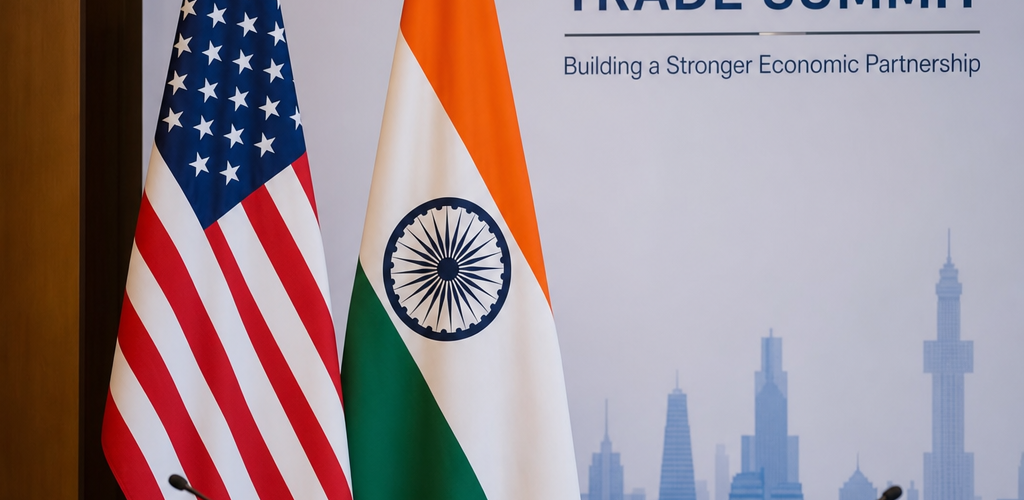
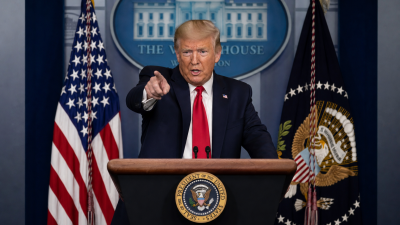
US President Donald Trump has praised Prime Minister Narendra Modi as a “good friend” and expressed strong confidence that the United States and India will soon finalise a comprehensive bilateral trade deal. In remarks made on 5 June 2026, Trump stated that for years India “took advantage of the United States” through high tariffs, but claimed the situation has now “completely reversed” and that the US is “making a lot of money with India.”
“He’s a good friend of mine. Get along great, and we’re going to make a deal,” Trump said, signalling that the personal rapport between the two leaders remains a key factor in the ongoing negotiations.
Where the Trade Talks Stand
Trump’s comments come against the backdrop of intensive trade negotiations between Washington and New Delhi. According to the Commerce Ministry, a US delegation recently held “constructive and positive discussions across multiple issues” including trade in goods, non-tariff measures, and customs procedures.
The two countries signed a framework for an Interim Trade Agreement in February 2026, following a call between Trump and Modi. That agreement was designed to address immediate friction points while both sides work towards a more comprehensive deal covering services, investment, intellectual property, and agricultural market access.
For context, India-US bilateral trade in goods and services exceeded $200 billion in fiscal year 2025-26, making the US one of India’s largest trading partners. However, the trade balance has historically favoured India, with Indian exports to the US — particularly in IT services, pharmaceuticals, and textiles — outweighing American exports to India.
The Tariff Backdrop
The trade relationship has been shaped significantly by Trump’s tariff policies. Earlier this year, the US proposed additional 12.5 per cent tariffs on India and 59 other countries over forced labour import concerns. India has been navigating these measures through a combination of retaliatory tariff adjustments and diplomatic engagement.
What makes the current moment different from previous rounds of trade friction is the broader geopolitical context. The US is actively seeking to strengthen ties with India as a counterbalance to China’s economic and military influence in the Indo-Pacific. This strategic imperative gives India considerably more leverage in trade negotiations than it might otherwise have.
“India is in a rare sweet spot,” said Amitendu Palit, a senior research fellow at the National University of Singapore. “The US needs India strategically, and India needs US market access. That creates space for a deal that genuinely benefits both sides.”
Key Issues on the Table
Several contentious issues remain unresolved in the trade negotiations:
Agricultural Market Access: The US has long pushed India to lower tariffs on American agricultural products, particularly dairy, poultry, and almonds. India has resisted, citing the need to protect its millions of small farmers from cheap imports.
Digital Trade: Disagreements persist over data localisation requirements, with American tech companies pushing for free cross-border data flows while India insists on maintaining data sovereignty provisions under its IT Act and the Digital Personal Data Protection Act (DPDPA) of 2023.
Intellectual Property: The US pharmaceutical industry has repeatedly criticised India’s patent regime, particularly the use of compulsory licensing. India argues that its approach balances innovation incentives with public health needs in a country where affordable medicines are essential.
Defence Procurement: While not strictly a trade issue, India’s significant defence purchases from the US — including the proposed acquisition of 114 Rafale-class fighter jets and C-130J transport aircraft — are often linked to broader trade discussions as a way to reduce the bilateral deficit.
India’s Growing Economy Adds Urgency
Trump’s acknowledgment that “India is growing fast” reflects a reality that is reshaping the trade dynamic. India’s GDP growth, projected at approximately 6.5 per cent for fiscal year 2026-27, makes it one of the fastest-growing major economies in the world. For American businesses, the Indian market of 1.4 billion consumers represents an enormous growth opportunity that they cannot afford to ignore.
At the same time, India’s own ambitions to become a $10 trillion economy by 2035 require access to American technology, investment, and markets. The mutual dependency creates strong incentives for both sides to reach an agreement.
The Russian Oil Wildcard
One factor that could complicate the otherwise positive trajectory is India’s continued purchase of Russian crude oil. The US recently extended a sanctions waiver allowing India to buy Russian seaborne oil until 17 June 2026, but the long-term status of this exemption remains uncertain. India has maintained that it will continue purchasing Russian crude regardless of the waiver’s status — a position that could create friction if the US decides to take a harder line.
Russian President Vladimir Putin has reportedly backed India’s position, stating that “India will resist” any pressure to stop buying Russian oil. This adds a geopolitical dimension to the trade talks that goes beyond simple tariffs and market access.
Possible Modi-Trump Summit
Trump also hinted at a possible visit to India, though no specific dates were mentioned. A presidential visit would likely be timed to coincide with a major trade announcement, providing both leaders with a high-profile platform to showcase the deal.
For now, the diplomatic language from both sides suggests that a deal is closer than it has been at any point during Trump’s second term. Whether it materialises as a comprehensive agreement or another interim arrangement remains to be seen, but the trajectory of the relationship is clearly positive.